Establishing an organic fertilizer production line requires adherence to the principles of "compliance first, capacity alignment, and scientific processing." It must balance practicality with environmental sustainability, catering specifically to the implementation needs of entrepreneurs and small-scale enterprises. The entire process can be divided into four core stages, featuring a clear workflow and high operational feasibility to facilitate the rapid construction of a standardized production line.
Initial Preparation: The Foundation—The core focus here lies in regulatory compliance and strategic positioning. First, market research and raw material assessments must be conducted. Priority should be given to locating the facility in areas with concentrated livestock and poultry farming or abundant agricultural waste, while maintaining a safe distance from residential zones and water sources. This ensures a stable supply of raw materials that also meets environmental protection standards; specifically, a production line with an annual output of 10,000 tons requires a site area of 10–15 mu (approx. 0.67–1.0 hectares). Concurrently, relevant administrative procedures must be completed; key requirements include obtaining a business license, environmental impact assessment approval, and a fertilizer registration certificate. Applicants are required to submit product testing reports and field trial data as mandated; in some regions, "green channels" for approval are available to expedite this process. Furthermore, the production capacity scale must be clearly defined; for newcomers to the industry, it is advisable to prioritize a small-scale production line to minimize initial investment and mitigate risk.
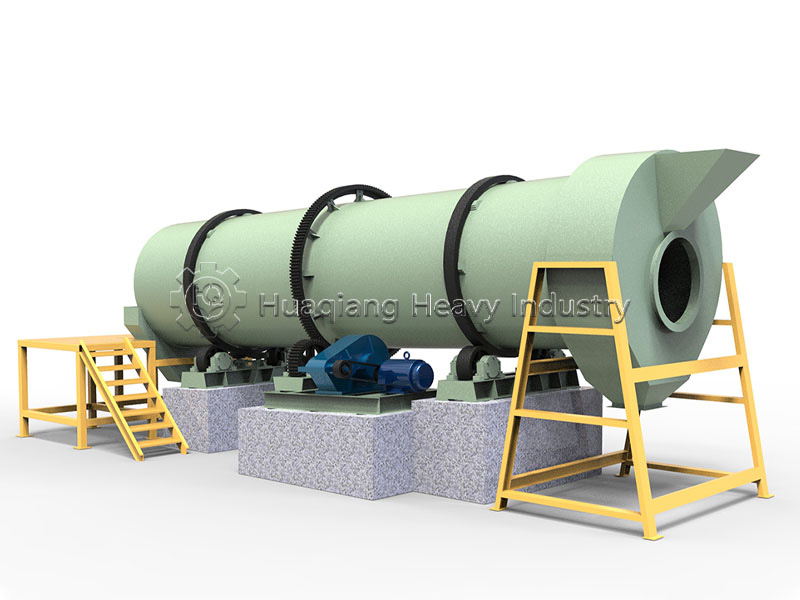
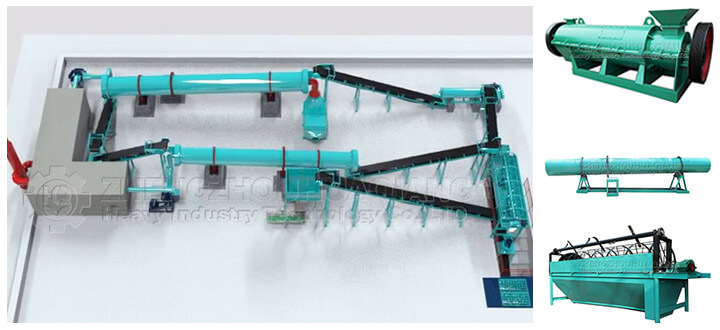
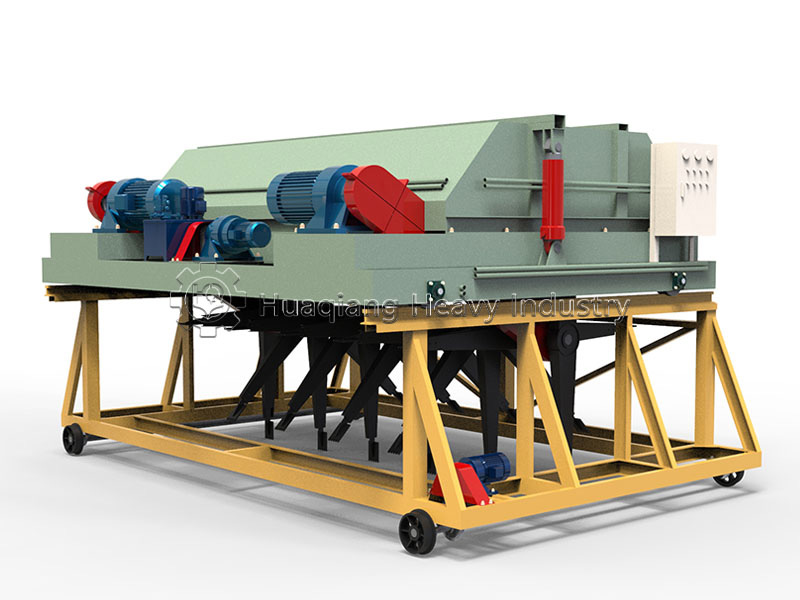
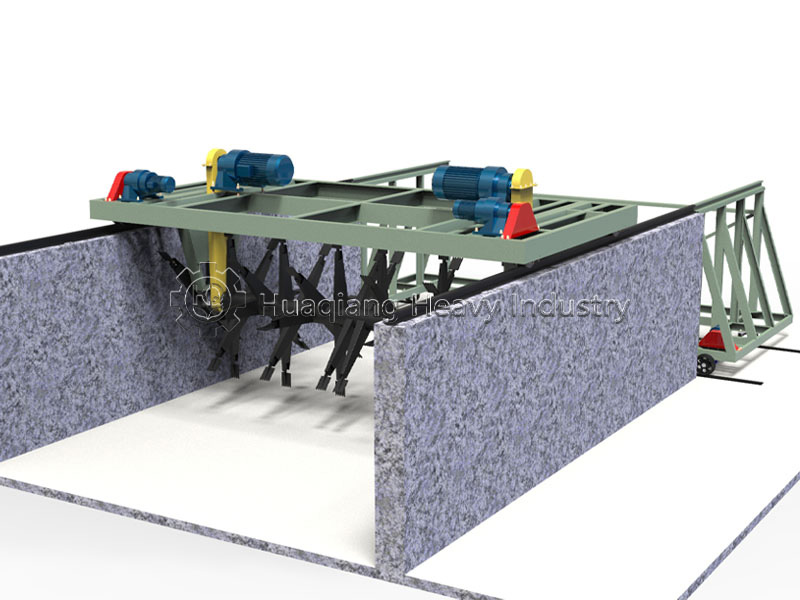
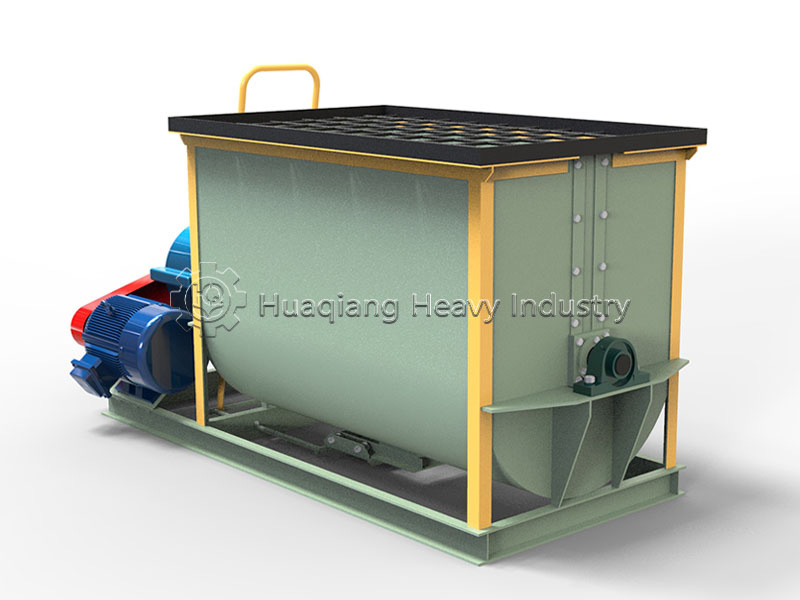
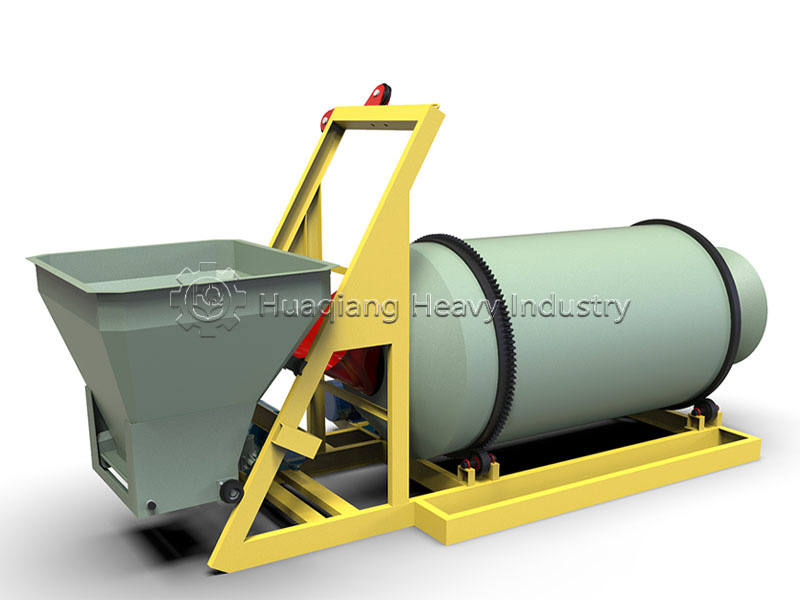
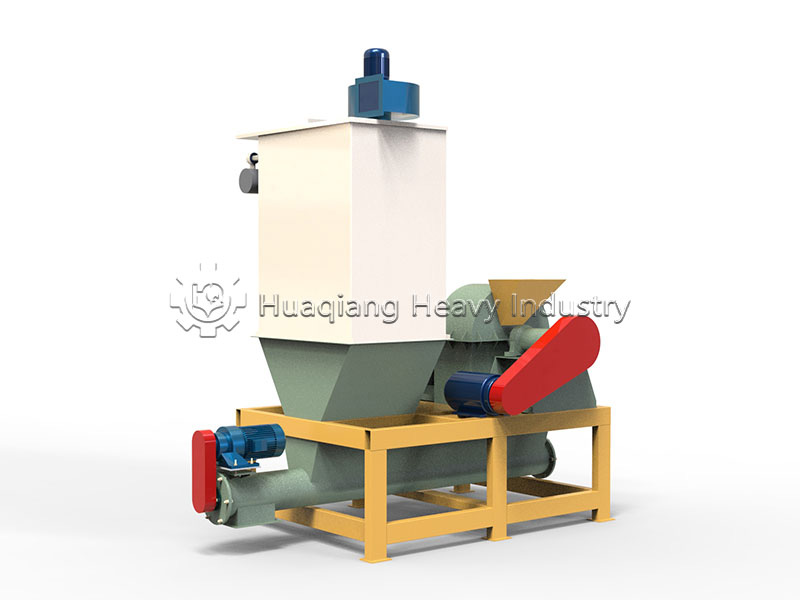
Equipment Selection: Balancing Suitability and Economy—For small-scale production lines, a basic equipment configuration is generally sufficient. The core machinery includes crushers, compost turners, granulators, dryers, and packaging machines. It is advisable to keep the equipment budget within the range of 100,000 to 200,000 RMB. Depending on the desired physical form of the final product, one may choose between disc granulation or drum granulation equipment. Additionally, supporting environmental protection equipment—such as bio-filter towers for treating fermentation exhaust gases—must be installed to avoid regulatory compliance risks. Equipment selection should adhere to the principles of "capacity matching" and "operational simplicity," with priority given to brands that offer comprehensive after-sales support.
Process Implementation: The Core—Successful implementation hinges on effectively controlling key operational workflows. Raw material pretreatment involves crushing and dewatering livestock manure, crop straw, and similar inputs, while adjusting the carbon-to-nitrogen (C/N) ratio to between 25:1 and 30:1, and the pH level to between 6.5 and 8.0. The fermentation stage typically employs a trough-style aerobic fermentation method, maintaining a temperature range of 55–70°C over a cycle of 7–10 days; the addition of 0.1%–0.3% microbial inoculants helps enhance the composting efficiency. Subsequent stages involve granulation, drying and cooling, and screening and packaging, ensuring that the finished product complies with the NY 525-2021 standard—specifically, containing an organic matter content of ≥45%.
Post-Launch Operations and Management: Not to be Overlooked—Ongoing operational management and quality control are critical factors that must not be neglected. It is essential to establish a routine equipment maintenance mechanism, conducting regular inspections and repairs of core machinery—such as windrow compost turners and granulators—to minimize failure rates. Furthermore, strict quality control measures must be implemented, involving periodic testing of fermentation maturity and the nutrient content of the finished product. Concurrently, it is advisable to secure raw material supply channels by signing long-term agreements to mitigate supply-related risks. Additionally, leveraging local agricultural markets to expand sales channels can help maximize profit margins. By adhering to these steps, one can efficiently and compliantly establish an organic fertilizer production line tailored to specific needs, thereby achieving the effective resource utilization of agricultural waste.



.jpg)