The stable operation of organic fertilizer production equipment is crucial to ensuring production capacity and product quality. Equipment failures not only cause economic losses but may also delay the production schedule of the organic fertilizer production line. To effectively reduce failures, it is necessary to focus on multiple aspects, including source control, process control, and post-failure optimization, to build a comprehensive equipment management system.
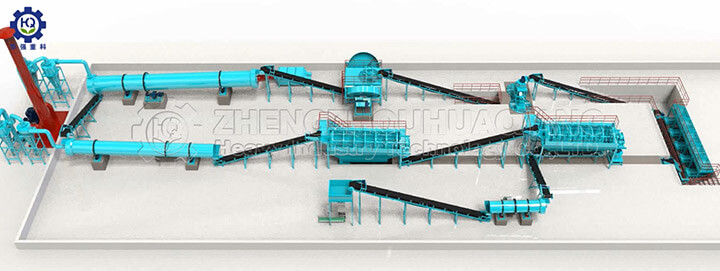
Scientific selection and standardized installation are fundamental. During selection, it is necessary to consider actual needs such as production scale and raw material characteristics, prioritizing reliable and highly compatible equipment to avoid failures caused by equipment overload or incompatibility. The installation process must strictly follow technical standards, ensuring that equipment components are securely connected and pipelines are unobstructed. Simultaneously, thorough debugging should be conducted to identify potential hazards caused by installation deviations, thus reducing the risk of failures from the source.
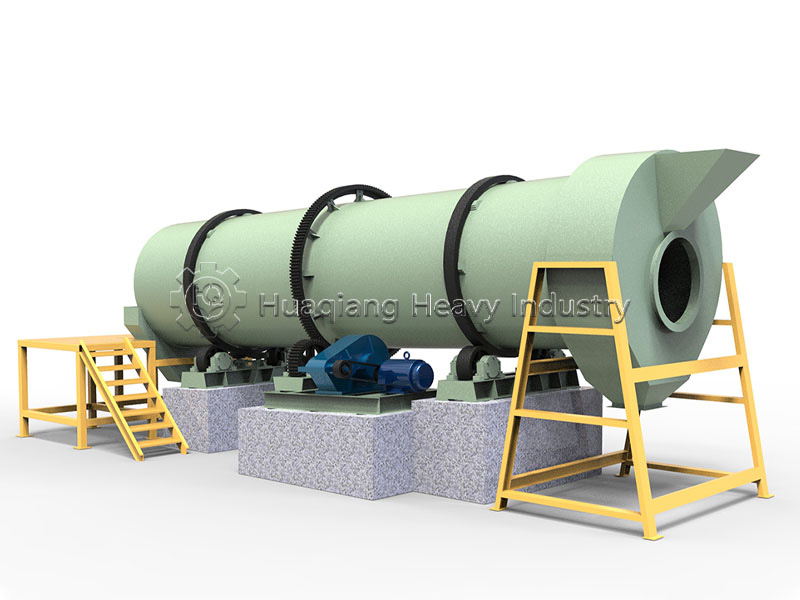
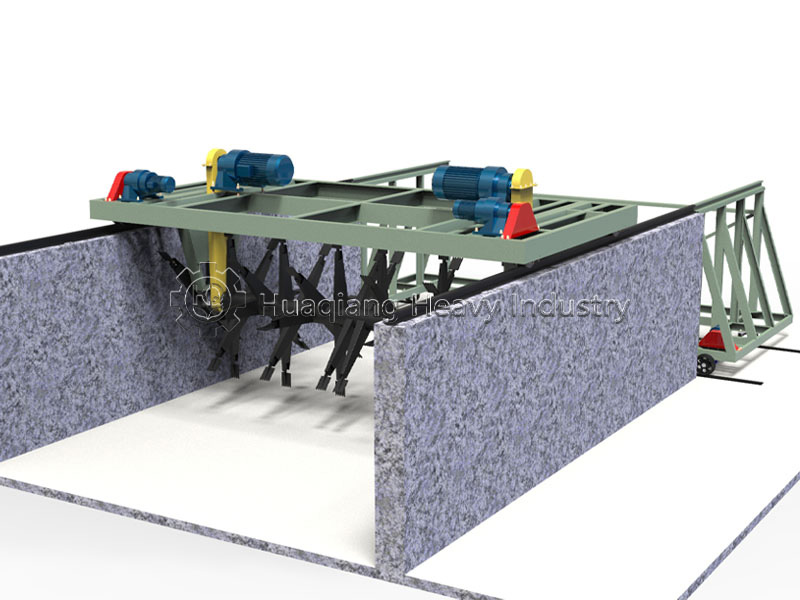
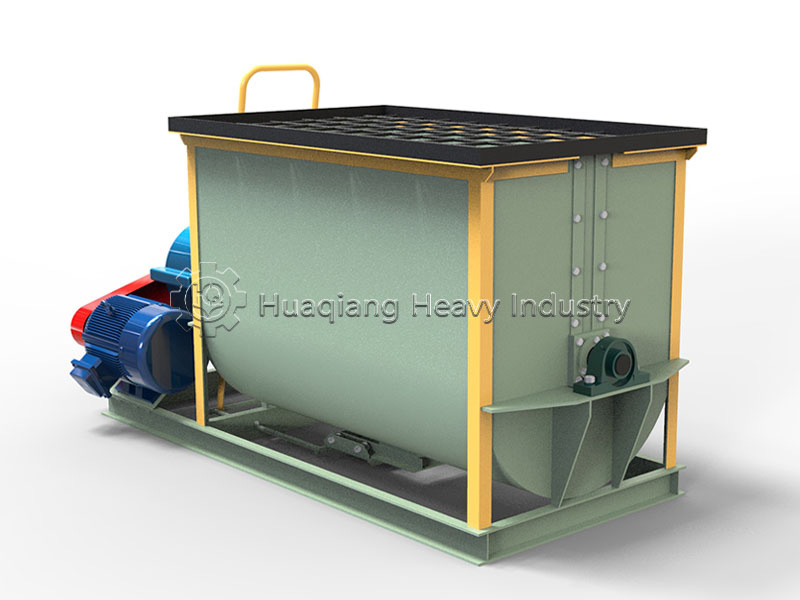
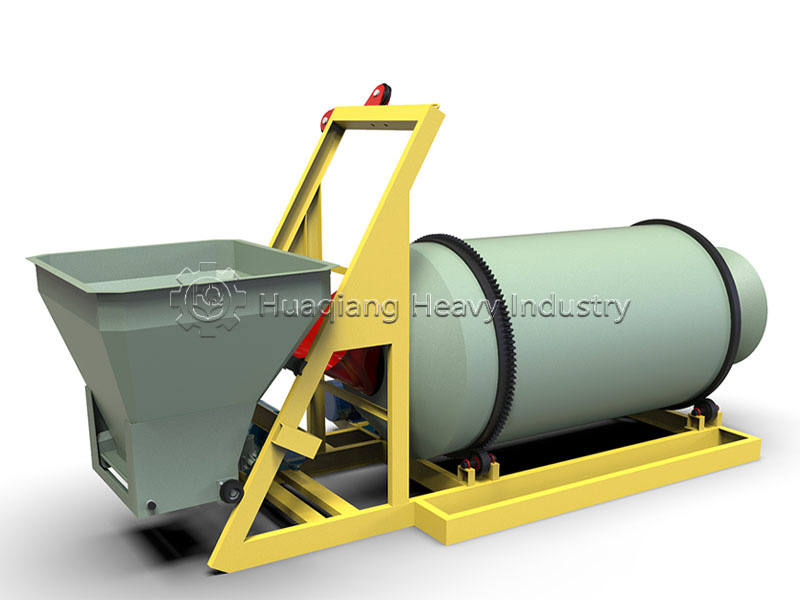
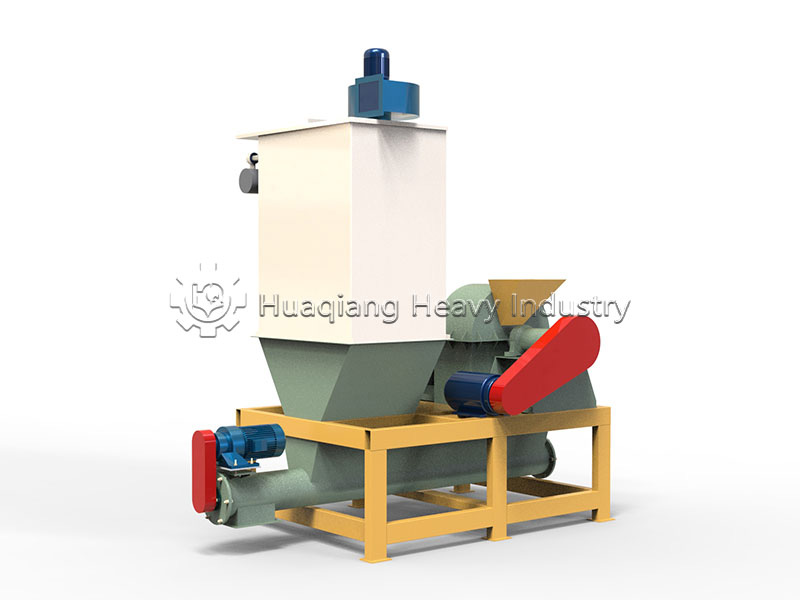
Daily meticulous maintenance is key. Establish a comprehensive maintenance log, clearly defining daily, weekly, and monthly maintenance checklists. Regularly inspect and maintain key equipment such as crushers, granulators, and dryers, promptly cleaning residual materials and impurities, lubricating rotating parts, and tightening loose bolts. For easily damaged parts, stock spare parts in advance to ensure timely replacement and prevent minor damage from escalating into major failures.
Standardized operation and personnel training are essential. Operators must undergo professional training before starting work, familiarizing themselves with the operating procedures of organic fertilizer machine, and strictly avoiding improper operations, such as prohibiting the introduction of foreign objects into the equipment and prohibiting overloading. Regularly conduct skills training to improve operators' ability to identify and handle equipment abnormalities, ensuring timely damage control in the early stages of a failure. Simultaneously, cultivate a sense of responsibility among operators, ensuring that each machine has a dedicated operator with clear responsibilities.
Establish a fault warning and review mechanism. Utilize modern monitoring technology to monitor equipment operating parameters in real time, promptly detecting abnormal parameters and other precursors of failure, and intervening proactively. For failures that have occurred, meticulously record the cause, treatment process, and results. Regularly review and summarize the findings, identify common problems, and optimize maintenance and operating procedures, shifting from "solving failures" to "preventing failures."
In summary, reducing organic fertilizer equipment failures requires adhering to the principle of "prevention first, combined with prevention and control." Through scientific management, standardized operation, and meticulous maintenance, comprehensively improve equipment management levels to ensure efficient and stable production.



.jpg)