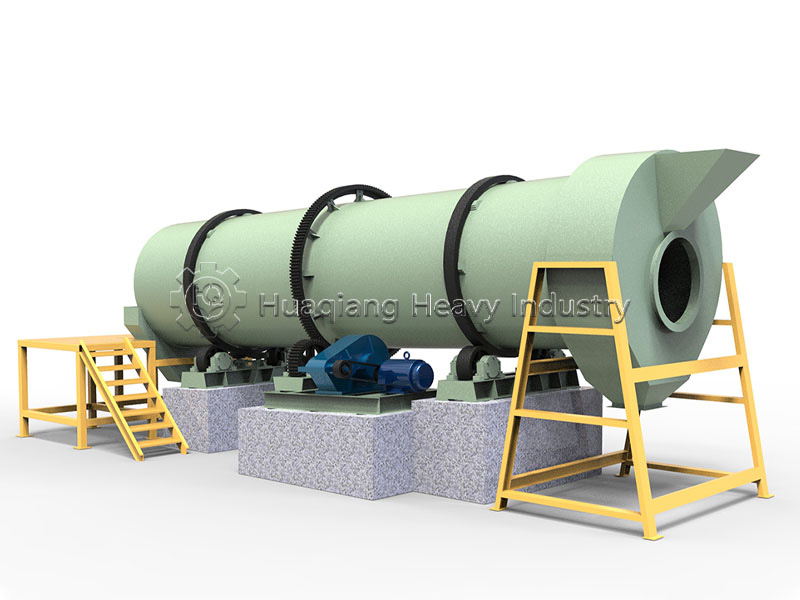
The stable operation of organic fertilizer production equipment is crucial for ensuring the production efficiency and reducing costs of the organic fertilizer production line. Equipment failures not only interrupt the production process but may also increase maintenance costs and affect product quality. Therefore, adopting scientific and effective strategies to reduce equipment failures is of great significance to organic fertilizer production enterprises. Based on practical production experience, the following aspects can be considered:
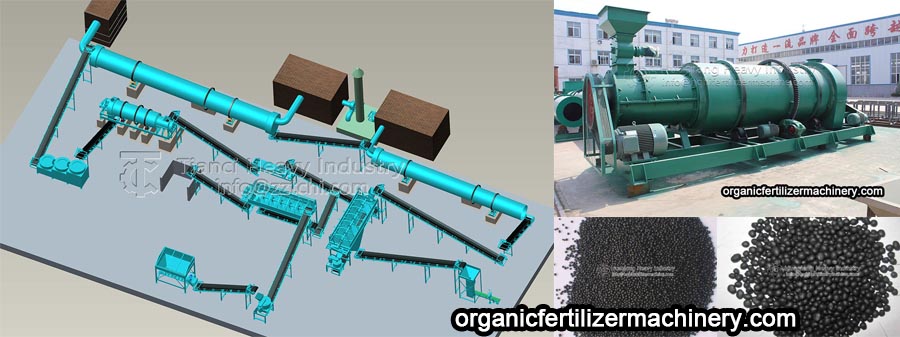
Scientific selection and rational layout are fundamental. Enterprises should select reliable and compatible equipment based on core needs such as production scale and raw material characteristics. Priority should be given to products from manufacturers with mature technology and a good reputation, avoiding overloads and failures caused by equipment mismatch with production needs. At the same time, equipment installation must follow specifications, with rational layout planning to ensure proper ventilation, heat dissipation, and sewage discharge, creating a good environment for stable equipment operation and reducing failures caused by environmental factors.
Strengthening daily maintenance is key. Establish a comprehensive equipment maintenance log and implement daily, weekly, and monthly regular inspection systems. Focus on inspecting key parts such as the transmission system, lubrication system, and sealing components, promptly cleaning debris, replenishing lubricating oil, and replacing worn parts. Implement a mechanism for advance stocking and regular replacement of vulnerable parts to prevent minor problems from escalating into major ones, thus reducing the failure rate at the source.
Standardized operating procedures are essential. Strengthen operator training to ensure they are proficient in equipment operation procedures and strictly prohibit violations such as overloading and improper feeding. Clearly define the operating responsibilities of each position and establish an operation assessment mechanism to improve operators' sense of responsibility. Operators should also record equipment operating status and report any abnormalities promptly to prevent the escalation of failures.
Promoting technological upgrades and intelligent monitoring is beneficial. For older organic fertilizer machines, stability can be improved through technological upgrades, such as adding overload protection and temperature monitoring devices. Introducing intelligent monitoring systems allows for real-time monitoring of equipment operating parameters, using data warnings to predict potential failures in advance, shifting from "post-failure repair" to "pre-failure prevention," further enhancing the stability of equipment operation.
In summary, reducing organic fertilizer equipment failures requires adhering to the principle of "prevention first, combined with control," organically combining scientific selection, daily maintenance, standardized operation, and technological upgrades to form a comprehensive management system. Only in this way can the risk of failure be minimized and the efficient and stable operation of the organic fertilizer production line be ensured.



.jpg)