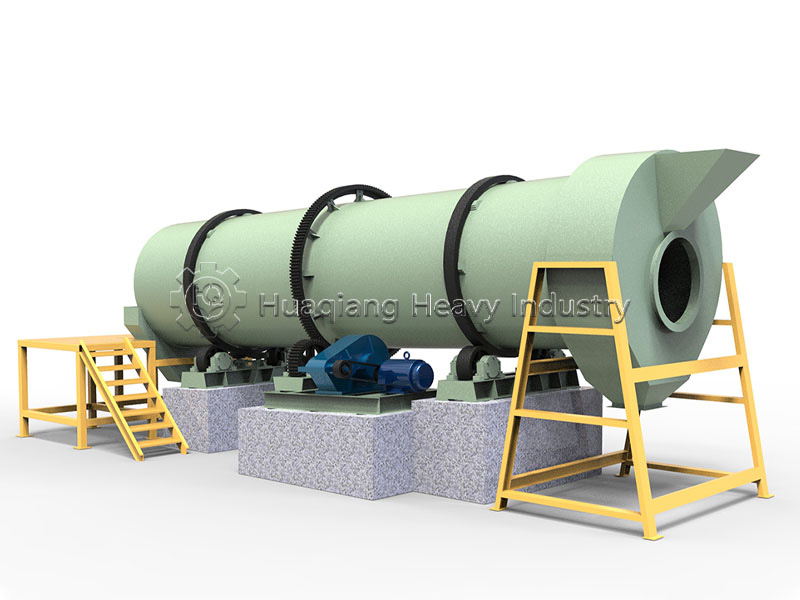
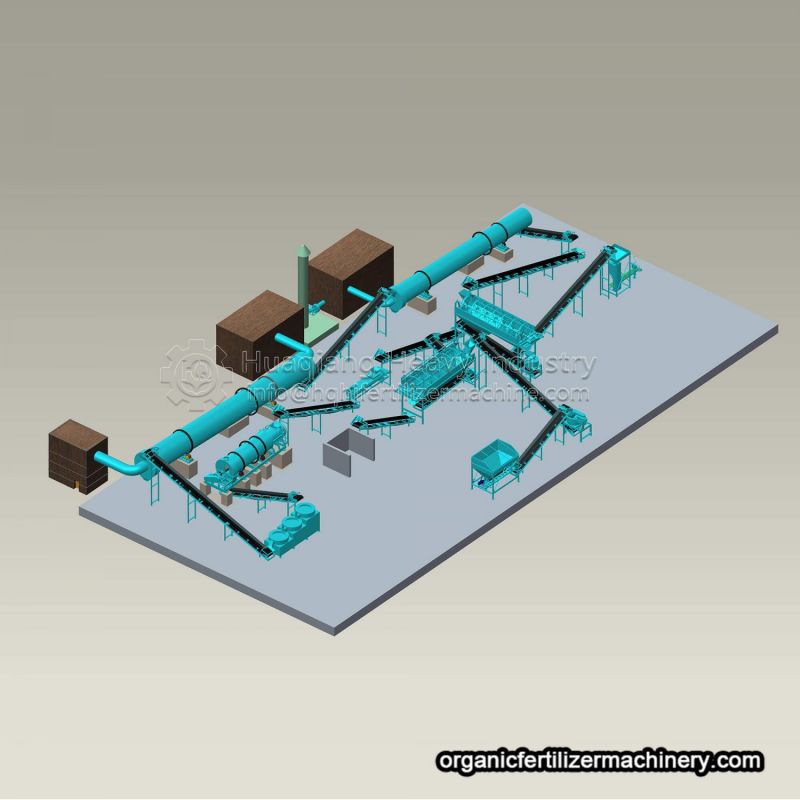
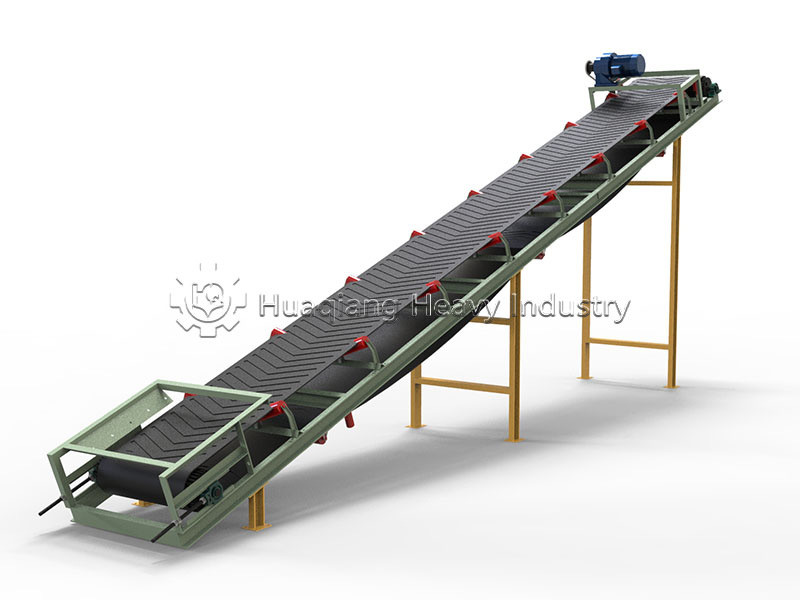
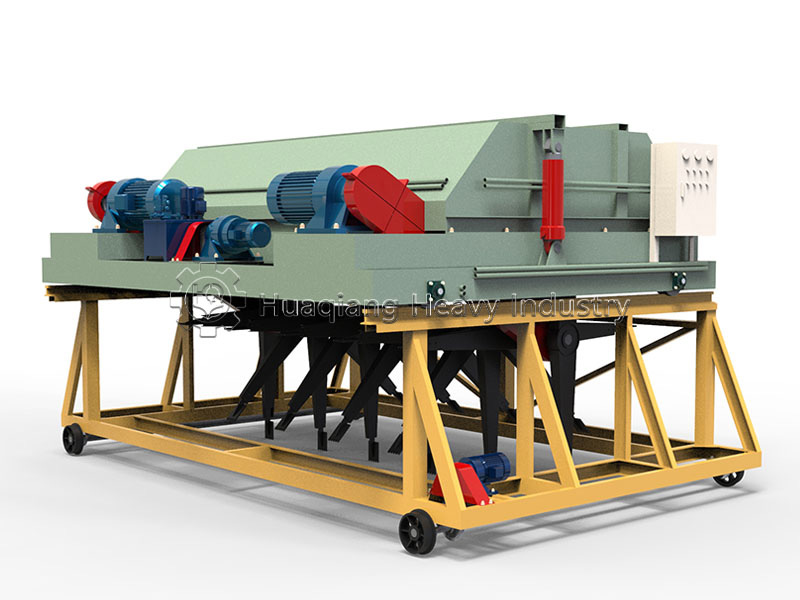
Organic fertilizer production equipment serves as the core component for ensuring production continuity and enhancing product quality. Since this machinery constantly processes viscous materials—such as crop straw and livestock manure—it is prone to malfunctions caused by improper operation, component wear, or poor raw material compatibility, all of which can negatively impact production efficiency. Mastering the methods for diagnosing common faults and the techniques for resolving them can effectively minimize losses due to downtime, extend the service life of the equipment, and facilitate the steady advancement of organic fertilizer production.
As a critical piece of molding machinery, the granulator is most susceptible to issues such as a complete failure to produce granules, low granule output, or the production of loose and brittle granules. A complete failure to produce granules is often caused by clogged die holes—resulting from excessive moisture content in the raw materials—or by an excessive gap between the pressure rollers and the die. To resolve this, the machine must first be shut down to clean the die holes; high-pressure water jets or hot water soaking can be used to soften and dislodge the bonded material. Subsequently, adjusting the raw material's moisture content to within the appropriate range and calibrating the pressure roller gap will restore normal operation. Conversely, loose granules are typically caused by insufficient pressure or a lack of natural cohesion in the raw materials; this can be remedied by adjusting the hydraulic system pressure or by adding an appropriate amount of binder to optimize the material formulation.
Malfunctions in pulverizing equipment primarily manifest as uneven particle size distribution or motor overheating leading to a thermal trip. Uneven particle size is often attributed to worn hammer blades, clogged screens, or the presence of hard impurities in the raw materials; prompt action requires replacing worn blades and cleaning the screens, while also installing magnetic separators and vibrating screens to filter out impurities. Motor overheating is frequently caused by feed overload or poor heat dissipation; operators should adjust the feeding rate to ensure stable motor operation and regularly use compressed air to clean the motor's heat sink fins, thereby preventing dust accumulation.
Malfunctions in batching machines and dryers also require close attention. If the batching machine exhibits excessive weighing errors, the load cells must be calibrated and any material accumulated within the weighing hopper must be cleared to ensure that weighing accuracy meets the required standards. Insufficient drying efficiency in the dryer is often caused by faults in the hot air system or by the raw materials clumping together; solutions involve inspecting and repairing heating elements, cleaning air ducts, and simultaneously breaking up any material clumps while controlling the initial moisture content to keep it within a reasonable range. Furthermore, abnormal vibration and noise during equipment operation are typically caused by insufficient bearing lubrication, loose components, or rotor imbalance; these issues require the timely application of grease, the tightening of bolts, and rotor balancing.
Prevention is superior to repair, and routine maintenance is the key to minimizing equipment failures. It is essential to establish standardized operating procedures, conduct proper pretreatment of raw materials prior to feeding, and regularly inspect and promptly replace wear-prone components. Daily tasks should include cleaning residual materials from the equipment, performing periodic lubrication and maintenance on transmission components, and regularly calibrating critical parameters such as metering and temperature readings. Concurrently, enhancing operator training and improving capabilities for handling emergency malfunctions will effectively reduce the overall incidence of equipment failure.
Malfunctions in organic fertilizer production equipment often follow discernible patterns; by precisely identifying the root causes of faults, implementing scientific remedial measures, and conducting diligent routine preventive maintenance, downtime can be minimized. This ensures the efficient and stable operation of the organic fertilizer production line, thereby providing essential equipment support for the high-quality development of the organic fertilizer industry.



.jpg)