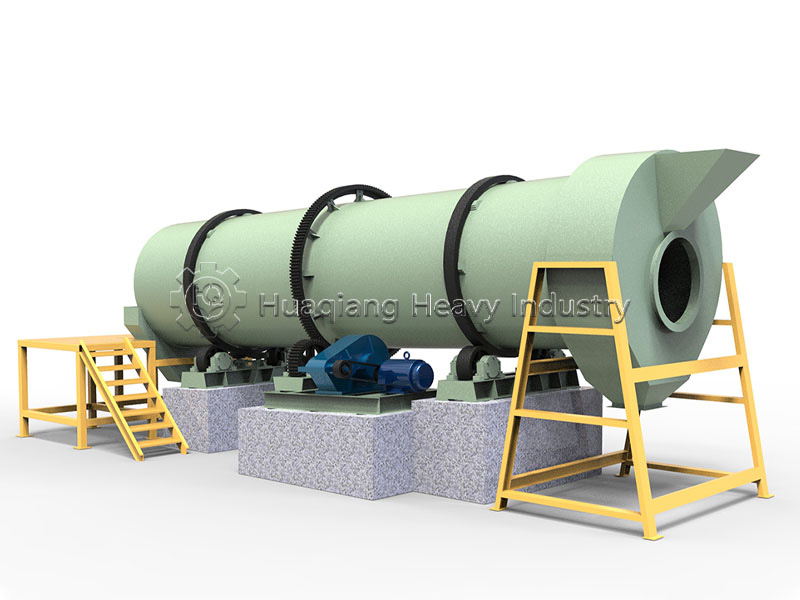
Global agriculture is accelerating its green and sustainable transformation, leading to a continuous surge in demand for organic fertilizer production lines, making them a top-selling category in the agricultural machinery market. This surge is driven by a combination of factors, including environmental policies, market demand, technological innovation, and economic benefits, aligning with the core trend of green agricultural development globally.
(1)_600x210.jpg)
Tightening global environmental policies are the core driving force. To address issues such as soil compaction and water pollution caused by the overuse of chemical fertilizers, various countries have introduced supportive policies. The EU's Common Agricultural Policy provides substantial subsidies for organic agriculture; China has implemented the "Organic Fertilizer to Chemical Fertilizer" initiative, exempting organic fertilizers from value-added tax and providing special subsidies; and many North American countries have mandated the harmless treatment of livestock and poultry manure at farms, forcing the expansion of organic fertilizer production capacity. Under these policy incentives, organic fertilizer production lines have become key equipment for the resource utilization of waste, resulting in a surge in market demand.
Consumer upgrading has driven an explosive growth in demand for organic agricultural products, boosting upstream capacity expansion. Global consumers' increasingly urgent need for healthy and safe food has led to the continued growth of the organic food market, directly driving up the demand for organic fertilizers. Europe and North America have leading organic farming penetration rates, while the Asia-Pacific region is the fastest-growing market, with China, India, and other countries continuously expanding their organic farming areas. The demand for standardized organic fertilizers from large farms and organic farming bases is driving companies to introduce automated production lines to ensure a stable supply of products.
Technological innovation reduces production costs and improves efficiency. Traditional composting is time-consuming and polluting, while modern organic fertilizer production lines integrate intelligent fermentation, biological deodorization, and automated granulation technologies, shortening the fermentation cycle to 7-10 days and reducing nutrient loss to less than 5%. Modular design allows for flexible layout of small production lines, with low investment thresholds; production can begin with just a few hundred thousand yuan, suitable for diverse scenarios such as family farms and small to medium-sized processing plants. Technological upgrades enable efficient, environmentally friendly, and low-cost organic fertilizer production, further enhancing the market competitiveness of equipment.
Significant economic benefits stimulate market investment. Organic fertilizer raw materials are widely available; livestock manure, straw, and kitchen waste can all be sourced locally, achieving resource utilization of waste and reducing raw material costs. At the same time, organic fertilizers improve soil fertility, enhance crop quality and added value, and help growers increase their profits. For businesses, organic fertilizer production lines offer a short return on investment period and benefits such as tax breaks and policy subsidies, attracting substantial capital investment and driving continuous growth in equipment sales.
Amid the global wave of green agriculture, environmental protection, market forces, technology, and the economy have combined to propel the continued popularity of organic fertilizer production lines. In the future, with the continued development of organic agriculture, organic fertilizer production lines will be further upgraded towards intelligence, efficiency, and miniaturization, providing solid support for sustainable global agricultural development.



.jpg)