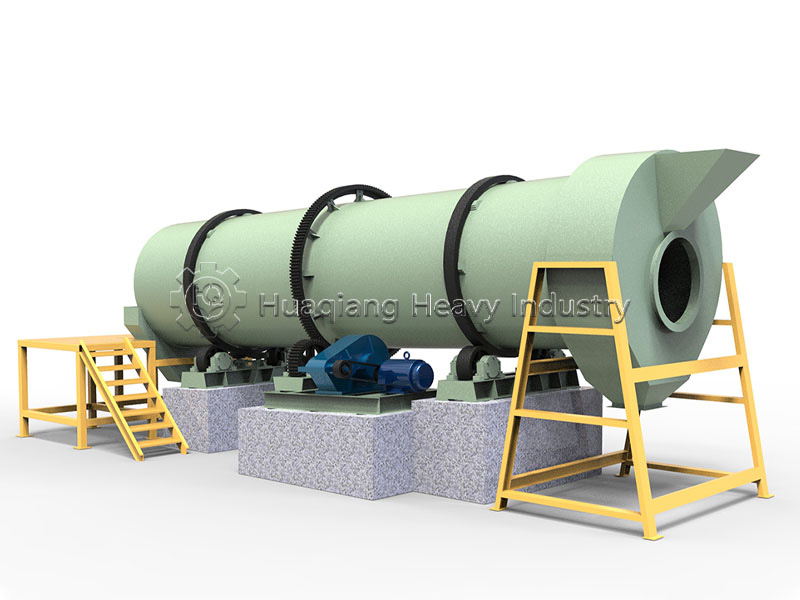
The organic fertilizer granulator is a core piece of equipment in organic fertilizer production, and its operational stability directly determines production efficiency and finished product quality. Operating in a high-load, dusty, and high-humidity environment for extended periods, the equipment is prone to component wear, malfunctions, and shutdowns. Scientific daily maintenance is key to extending equipment lifespan and reducing operating costs. It is essential to adhere to the principle of "prevention is better than cure" and ensure proper implementation of maintenance procedures at each stage.
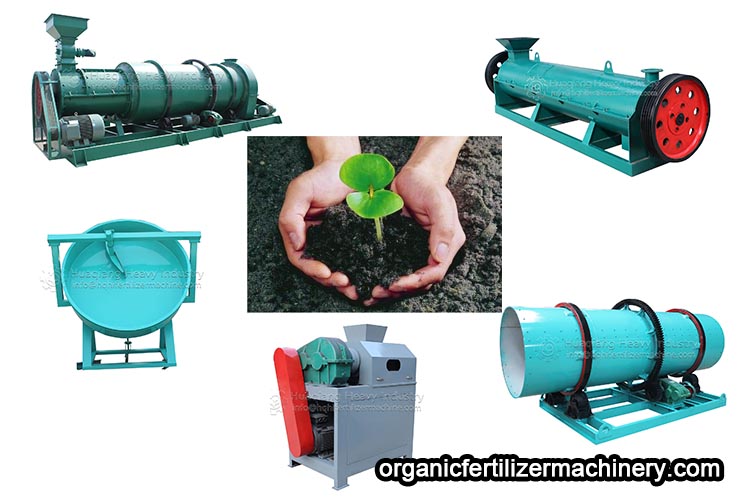
Pre-start checks are fundamental to safe operation. Key checks include ensuring the power supply connections are secure, without looseness, damage, or potential leakage, and guaranteeing stable and compliant voltage. Check the oil levels in all lubrication points to ensure sufficient lubrication without deterioration or leakage, paying particular attention to the lubrication of critical components such as gears and bearings. Clean debris and residual material from the feed and discharge ports, and check the granulation blades, granulation pot, and other components for damage. Ensure safety devices such as protective covers and emergency stop buttons are functioning effectively to prevent malfunctions after startup.
Monitoring during operation requires continuous monitoring. Monitor equipment operation in real time. If any abnormal noises, metallic friction sounds, etc., occur, stop the machine immediately for troubleshooting, focusing on whether the gaps between granulation components are reasonable. Monitor the temperature of the motor, bearings, and other components to avoid overheating; if any abnormalities are found, stop the machine immediately to cool it down. Observe the material conveying process to prevent material adhesion and blockage, ensuring smooth granulation. Also, check for leaks in the equipment's sealing parts and address any potential problems promptly.
Post-shutdown cleaning and maintenance are essential. Thoroughly remove any residual material inside and outside the granulator to prevent agglomeration and corrosion of components. Wipe the equipment surface with a dry cloth, apply rust-preventive oil to exposed processing surfaces, and cover them with protective covers to prevent dust intrusion. Set the equipment switches and parameters to standby mode and check that components are reset. Keep detailed maintenance records, noting the operating status and any minor issues found for future tracking and optimization.
Regular deep maintenance must be implemented on time. Check the wear of core components weekly and adjust component gaps. Change the lubricating oil monthly, clean the oil tank and filter, and check for potential faults. Replace easily worn parts quarterly and perform a comprehensive disassembly, inspection, and calibration of the equipment. Meanwhile, operators need to undergo professional training, standardize operating procedures, and avoid violations that could exacerbate equipment wear and tear, so that the organic fertilizer granulation machine can continuously and stably perform its production efficiency.



.jpg)