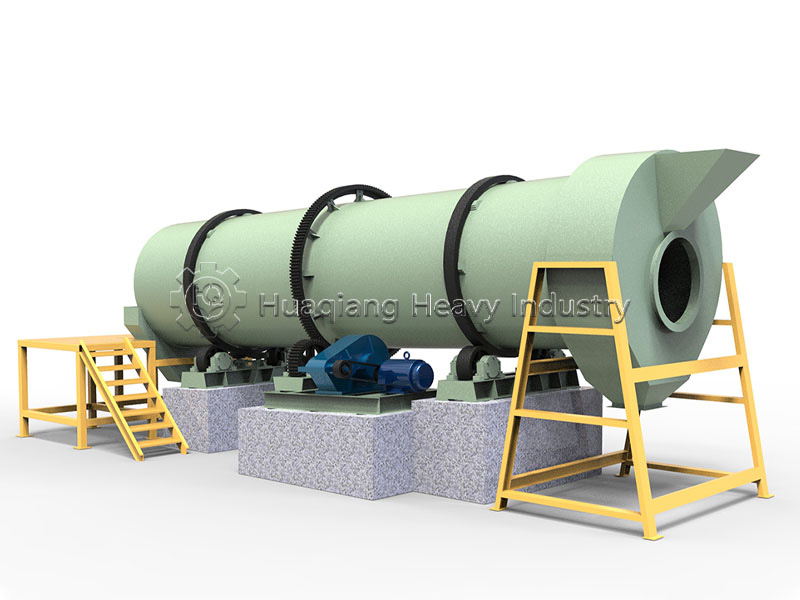
As the core support of an organic fertilizer production line, the operational stability of organic fertilizer production equipment directly affects production efficiency and product quality. Proper daily maintenance not only reduces downtime due to malfunctions but also extends equipment lifespan and lowers maintenance costs. Below is a set of practical and easy-to-operate maintenance tips.
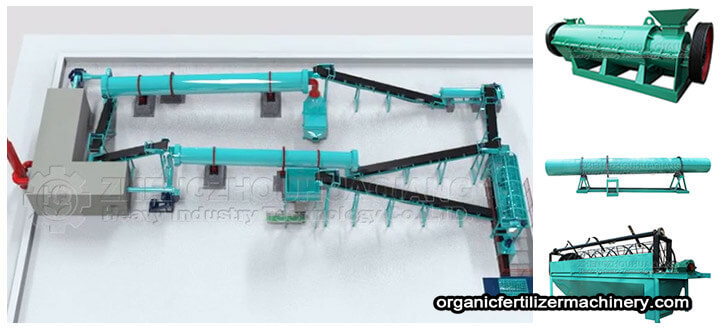
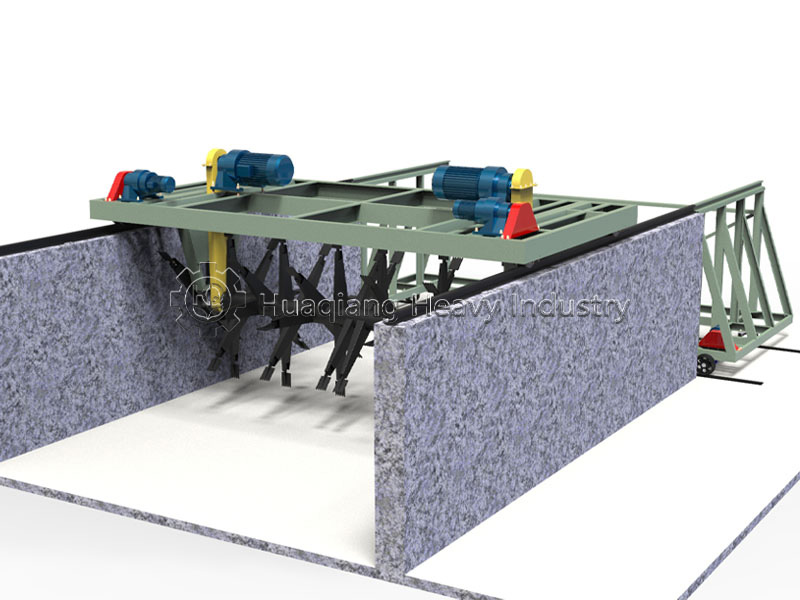
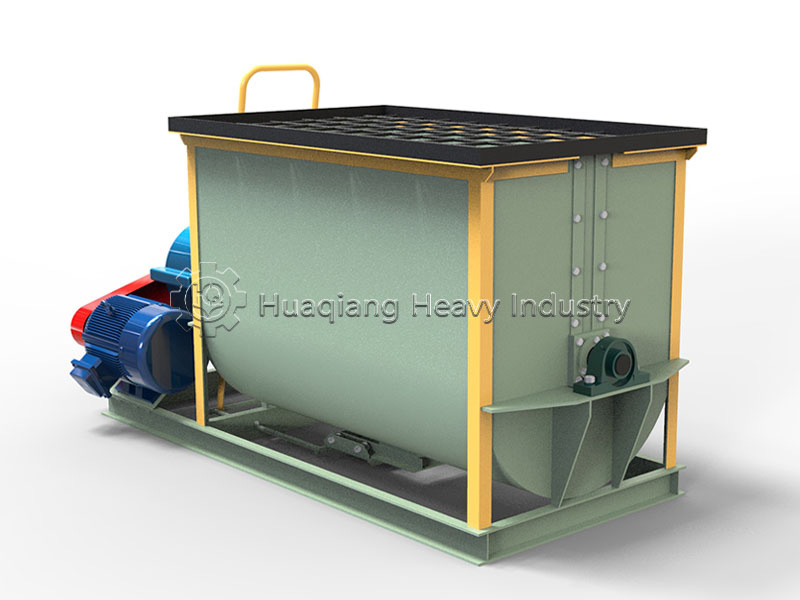
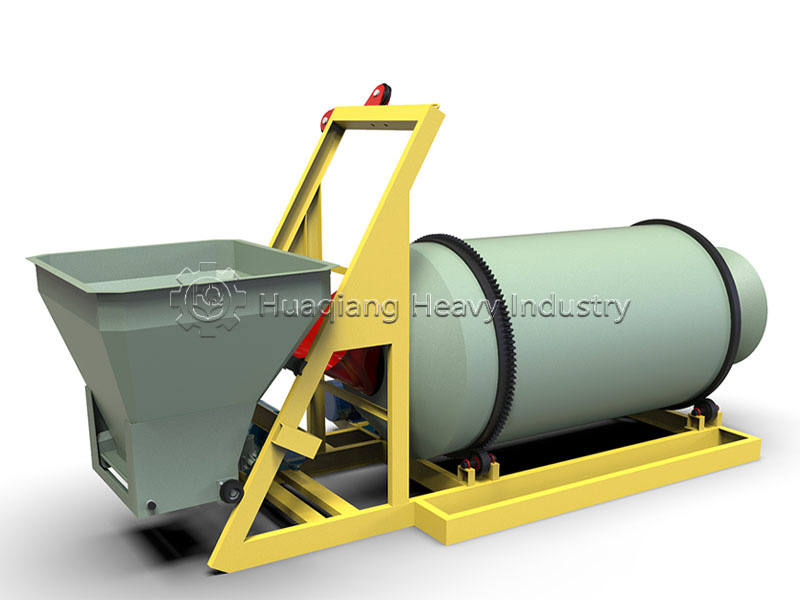
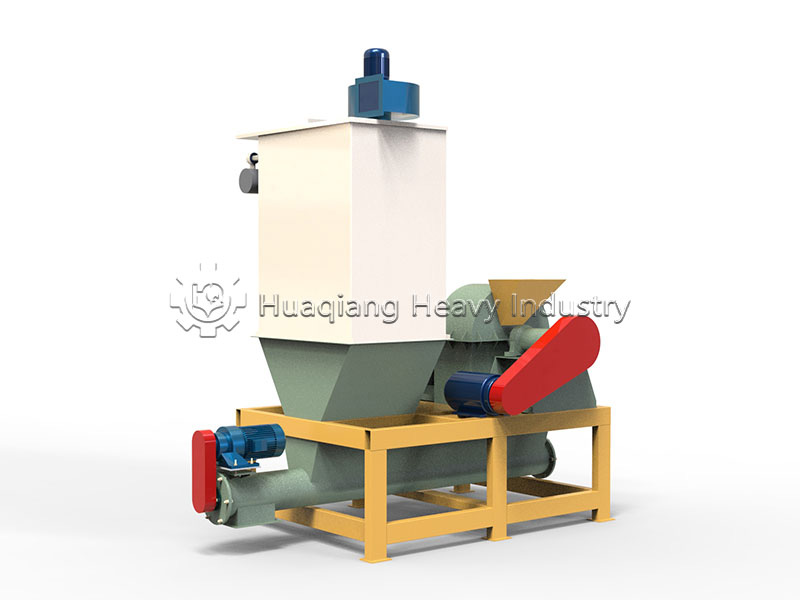
Cleanliness is the foundation of maintenance. After the equipment has been running, it is necessary to promptly remove residual materials, dust, and clumps of dirt from the surfaces of key components such as drums, crushers, and mixers. A combination of high-pressure water jet washing and manual wiping can be used, focusing on cleaning accumulated material at the feed inlet, discharge outlet, and transmission parts to prevent material from corroding the equipment surface or clogging gaps. At the same time, regularly clean the dust from the equipment's heat dissipation vents to prevent poor heat dissipation and overheating damage to the motor.
Lubrication is indispensable. Bearings, gears, chains, and other transmission components of the equipment need to be lubricated regularly according to the frequency of use. Select a dedicated lubricating oil suitable for the equipment model, following the principle of "small amounts, multiple times," to avoid over-lubrication and oil buildup. Under normal circumstances, lubrication should be checked weekly, and the lubricating oil completely replaced monthly to ensure smooth operation of transmission components and reduce wear.
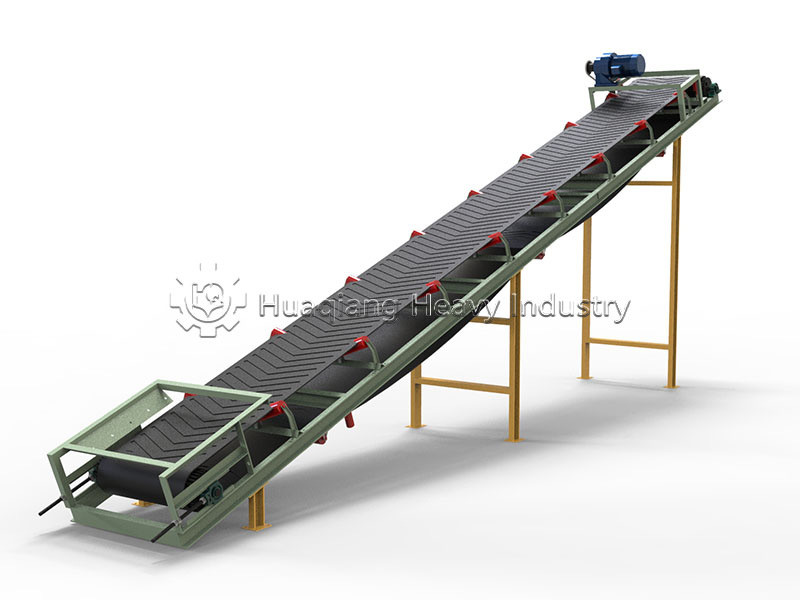
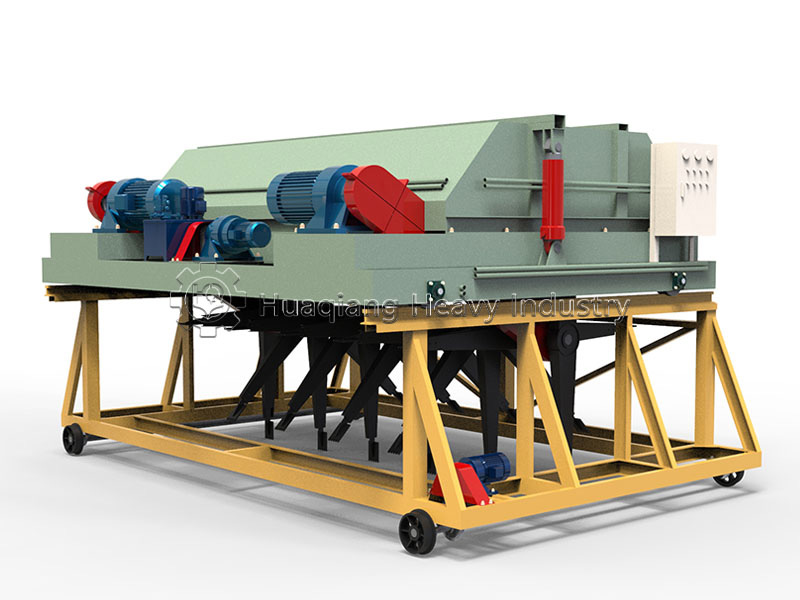
Routine fastening checks are essential. The equipment vibrates significantly during organic fertilizer production, which can easily cause bolts, nuts, and other fasteners to loosen. Before starting the machine each day, check all fasteners on the machine body, motor base, conveyor belt supports, etc., and tighten any loose ones immediately. Pay particular attention to the securing of easily worn parts such as crusher hammers and mixer blades to prevent them from falling off and causing safety accidents.
Key components require special care. Regularly check the integrity of screens and filters, and replace damaged parts promptly to avoid affecting material screening efficiency. Monitor the motor's operating status, checking for aging or damage to wiring and switches to ensure electrical safety. For the hydraulic system, regularly check the oil level and seals to prevent oil leaks that could affect the equipment's power output.
Furthermore, the equipment should be placed in a dry, well-ventilated environment to prevent rust from damp conditions. Disconnect the power supply immediately after shutdown, cover the equipment with dust, and perform a thorough cleaning and rust prevention treatment when the equipment is not in use for extended periods.
Performing the above routine maintenance tasks will ensure that organic fertilizer production equipment is always in optimal operating condition, providing a solid guarantee for stable and efficient organic fertilizer production.



.jpg)