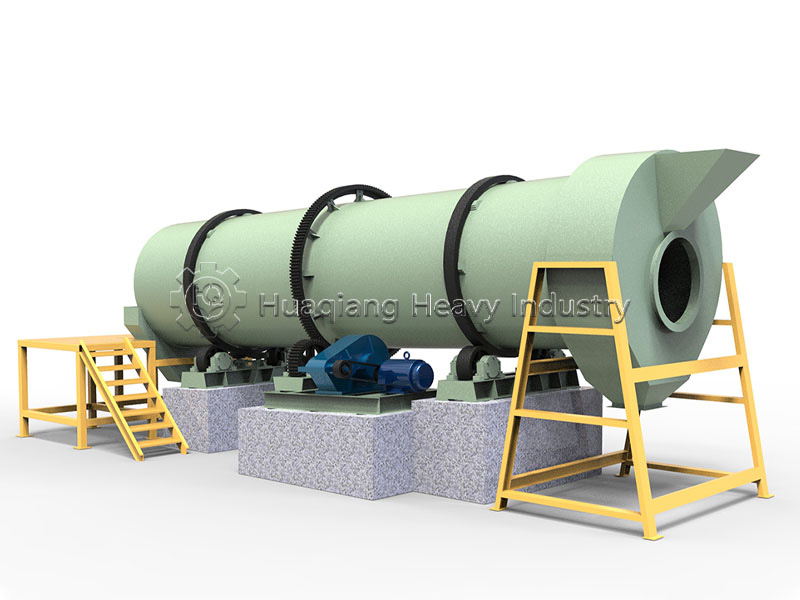
Amid the global push for sustainable development and the green transformation of agriculture, investing in organic fertilizer production lines is becoming an important option that combines environmental value and economic potential. Its feasibility has been validated by multiple factors, including market demand, policy support, and technological maturity.
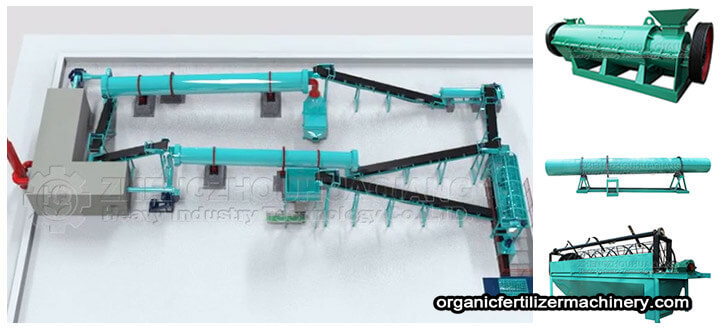
From a market demand perspective, the substitution value of organic fertilizers is increasingly prominent. The long-term overuse of chemical fertilizers has led to soil compaction and heavy metal pollution, driving the global transformation of agriculture towards ecological practices. Organic fertilizers can effectively improve soil structure, enhance crop resilience, and improve the quality of agricultural products. Data shows that the global organic fertilizer market will exceed $300 billion by 2030. The accelerated modernization of agriculture in developing countries and the expansion of the organic food market further open up demand. Sufficient raw material supply also guarantees production. Domestically, the annual production of livestock and poultry manure alone exceeds 3 billion tons, with a resource utilization rate of less than 20%. Raw material acquisition costs are low and sustainable.
Policy support constitutes an important guarantee for investment. Many countries worldwide have implemented stringent policies and incentive measures: the EU has passed the Nitrate Directive to limit fertilizer use and increased subsidies for organic farmers; the US provides financial and technical support through best management practices; and China is promoting the "Organic Fertilizer Substitution for Chemical Fertilizer Action," with many regions offering equipment and product subsidies. These policies have effectively lowered investment barriers and enhanced project resilience.
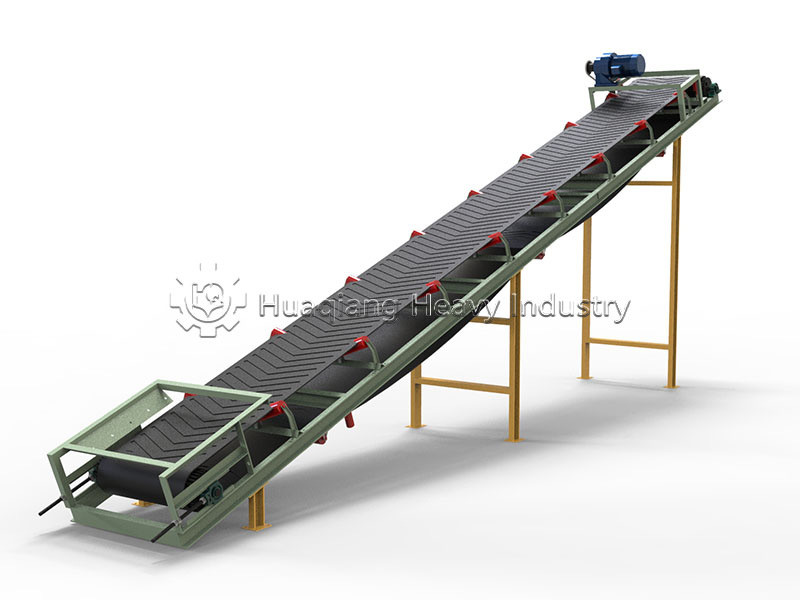
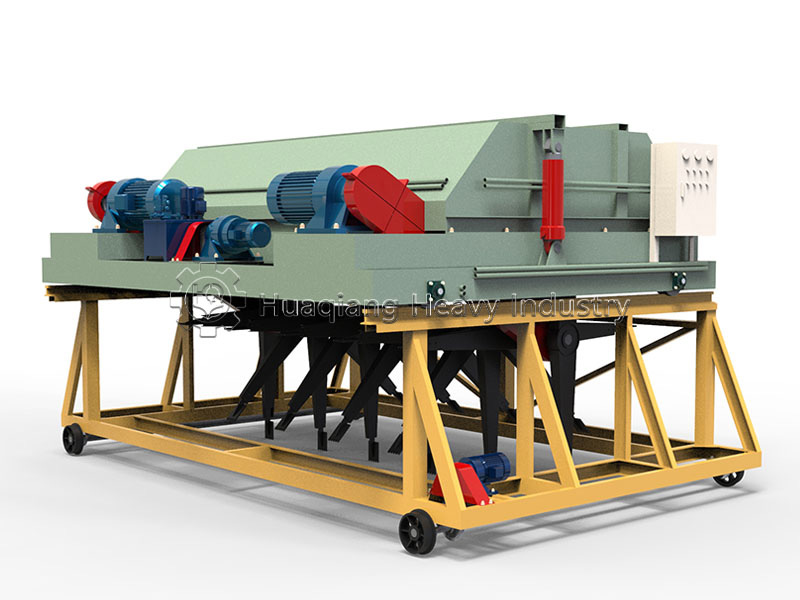
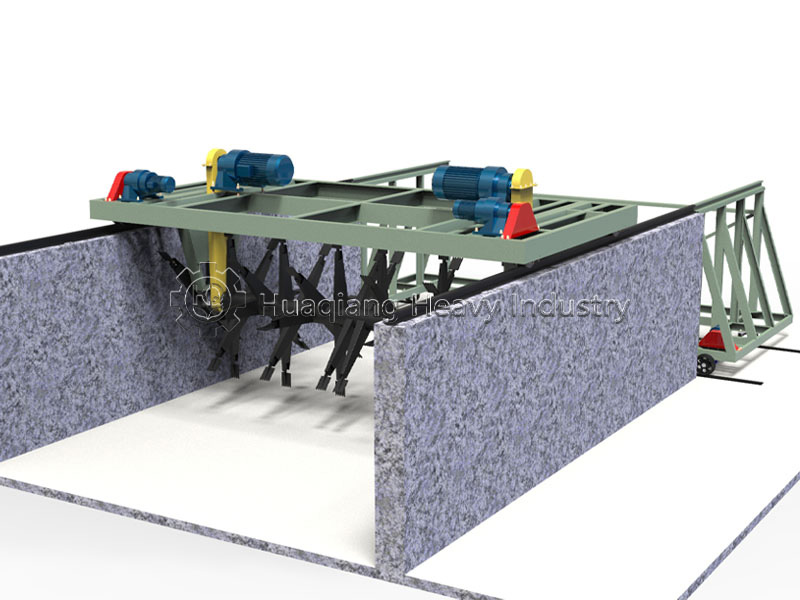
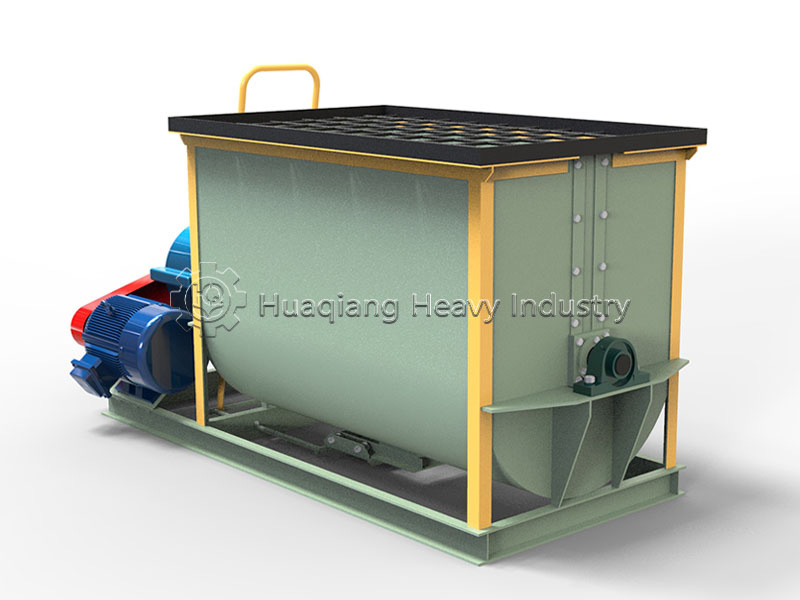
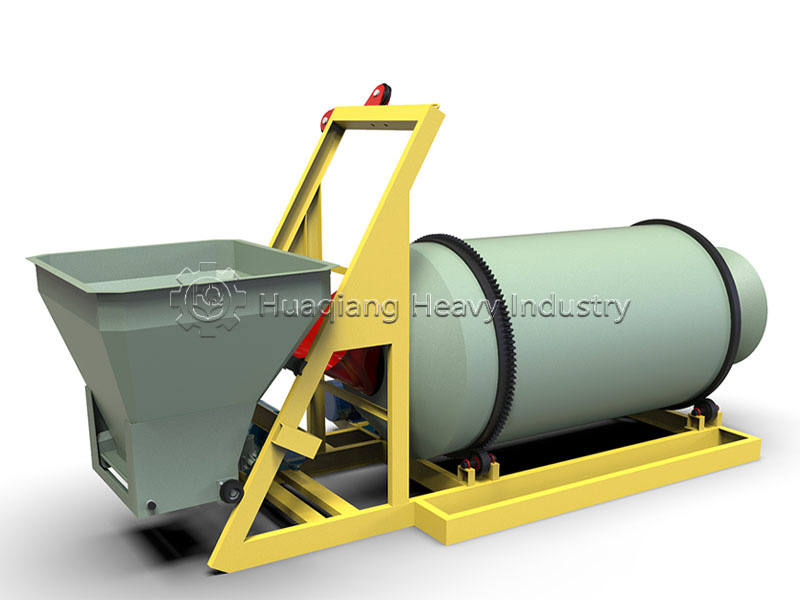
Technological maturity lays the foundation for large-scale production. Mainstream processes such as aerobic composting and microbial enhancement have been applied on a large scale. Intelligent composting systems can shorten the production cycle by 30% and achieve a nitrogen utilization rate of over 80%. The supporting organic fertilizer equipment is constantly being upgraded and optimized to further adapt to different production capacity needs. Equipment investment is moderately flexible; the cost of equipment for small and medium-sized fertilizer production lines ranges from 300,000 to 1 million yuan, supporting modular upgrades. A production line with an annual output of 5,000 tons can recoup its investment in 1.5-2 years, with annual profits exceeding 300,000 yuan.
Despite challenges such as fluctuating raw material collection costs and regional market competition, investing in organic fertilizer production lines remains highly feasible, driven by environmental protection needs, policy incentives, and technological advancements. Investors can focus on niche product categories, leverage policy subsidies, and optimize their supply chains to achieve stable profits while practicing green development.


.jpg)