With the advancement of green agriculture, organic fertilizer production has emerged as a pivotal pathway for recycling waste resources and enhancing soil fertility. However, the market offers a vast array of organic fertilizer production equipment—ranging from simple machinery for family farms to fully automated production lines capable of processing tens of thousands of tons. Improper equipment selection can easily lead to wasted investment, insufficient production capacity, or finished products that fail to meet quality standards.
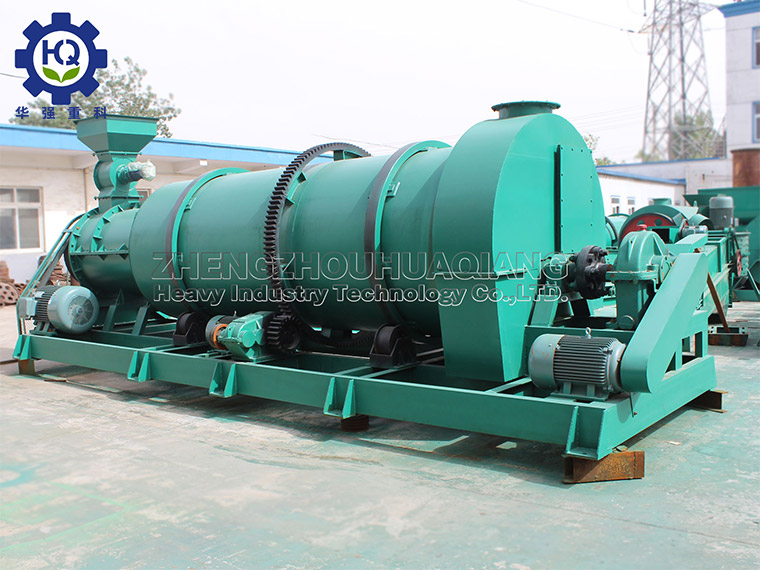
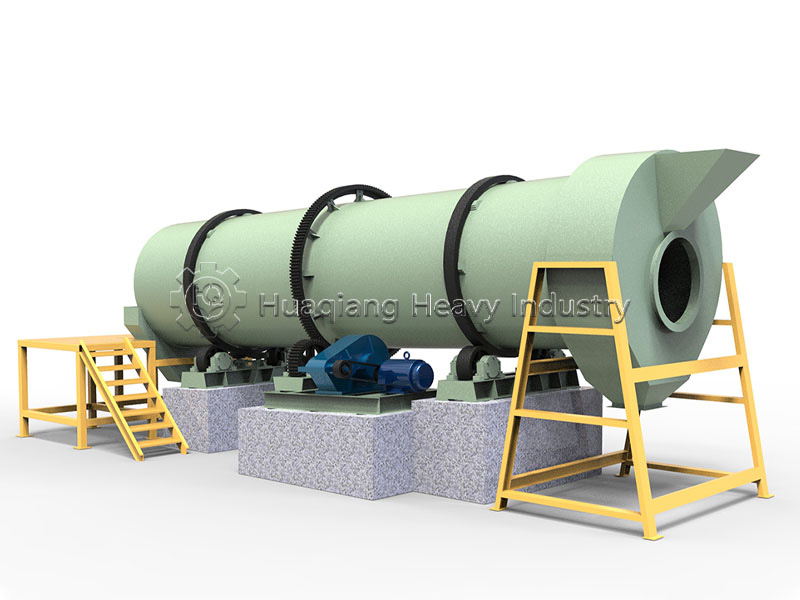
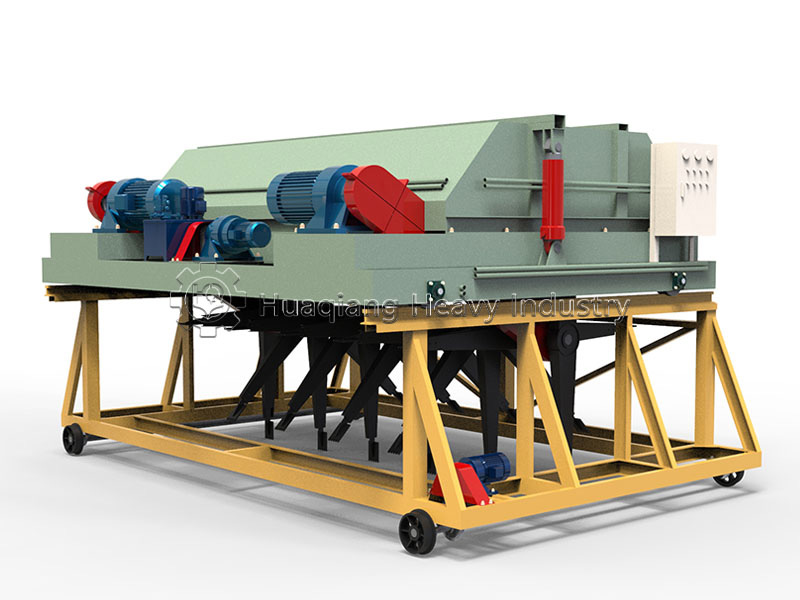
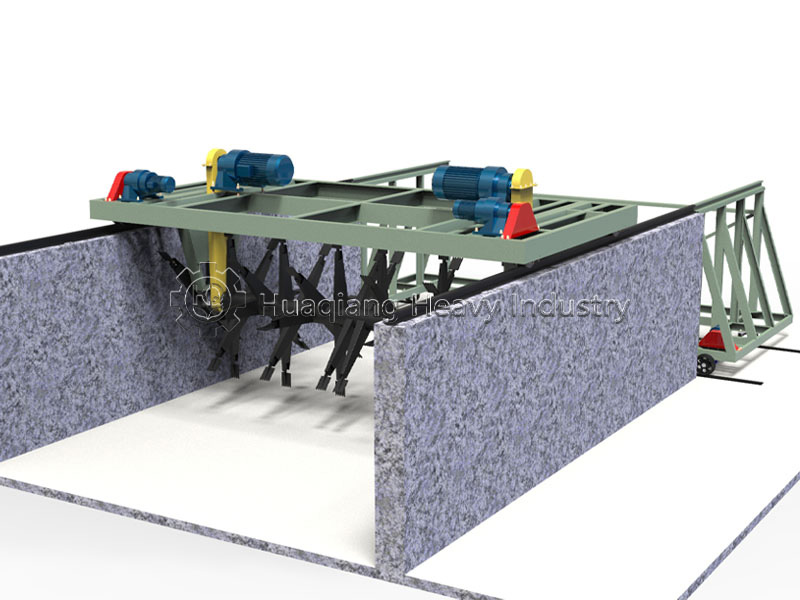
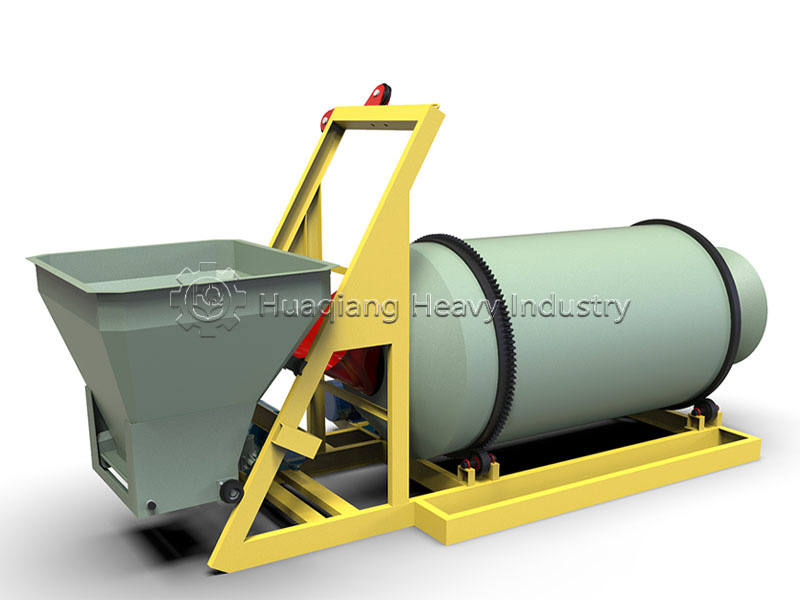
Clearly defining the production scale and the characteristics of the raw materials are the fundamental prerequisites for equipment selection. Different production scales necessitate vastly different equipment configurations. For family farms or small cooperatives—particularly those producing solely for self-consumption or local distribution with a daily processing volume of less than 5 tons—priority should be given to small-scale mobile compost turners and small disc granulators. Such equipment requires low initial investment, is simple to operate, occupies minimal space, requires no complex installation, and can be easily managed by just one or two people. Conversely, large-scale organic fertilizer plants—with an hourly output exceeding 5 tons—require a combination of equipment such as rotary drum granulators and large-scale chain-plate compost turners to ensure stable production capacity and accommodate the processing of bulk raw materials. Furthermore, the specific characteristics of the raw materials directly dictate the type of equipment required: high-moisture materials are best processed using stirring-tooth granulators, thereby eliminating the need for a separate drying stage; relatively dry materials are best suited for extrusion granulators; while materials with moderate moisture and viscosity can be processed using either disc or rotary drum granulators.
Focusing on the positioning of the finished product and adhering to a strict budget are essential to avoid blind or arbitrary equipment choices. If the primary objective is to produce premium, small-packaged granular fertilizer, emphasis should be placed on granule uniformity; in this case, disc granulators are the preferred choice, as they can achieve a granule roundness rate of over 90%, thereby enhancing the product's added value. If the priority is high efficiency and energy conservation, stirring-tooth granulators are an excellent option, as they can reduce energy consumption by over 30% when processing high-moisture fermented materials. Budget allocation should be approached scientifically and rationally: the fermentation system—being the core component of the process—should account for approximately 40% of the total budget to ensure its quality and reliability; granulation and packaging equipment can then be selected and configured based on the specific requirements of the finished product, thereby avoiding unnecessary overinvestment. Additionally, it is advisable to leave room for future upgrades by selecting modular equipment, which allows for flexible expansion should production capacity need to be increased later on.
Finally, it is crucial to balance practical operational considerations with robust after-sales support to establish a solid foundation for production. When selecting equipment, one must take into account the specific site conditions and the operational skill level required. Small-scale operations may opt for single-phase electrical equipment, which is compatible with standard power supply lines; large-scale operations, however, require the integration of environmental protection equipment to ensure compliance with regulations regarding the treatment of odors and dust emissions. Furthermore, the speed of after-sales response and the availability of consumables are of paramount importance; therefore, one should select suppliers capable of providing verifiable case studies and clearly defined response times for technical faults, thereby avoiding the long-term maintenance risks associated with second-hand or low-quality, low-cost equipment.
There is no rigid standard for selecting organic fertilizer production equipment; the core principle is "matching specific needs." One must abandon the misconception of "prioritizing price over suitability" and instead base decisions on fundamental requirements—such as production scale, raw material characteristics, product positioning, and budgetary constraints. Only through scientific comparison and rational configuration can the equipment realize its full potential, enhancing the quality and efficiency of the organic fertilizer production line and injecting sustainable momentum into the development of green agriculture.



.jpg)