As a high-quality raw material for organic fertilizer, chicken manure is rich in nitrogen, phosphorus, potassium, and various organic substances; however, if used directly without treatment, it can easily harbor pathogens and pollute the environment. A chicken manure organic fertilizer production line employs standardized and intelligent processes to transform chicken manure into highly efficient and eco-friendly organic fertilizer. This approach facilitates the resource utilization of agricultural waste and supports the development of ecological agriculture; its production process is primarily divided into five core stages.
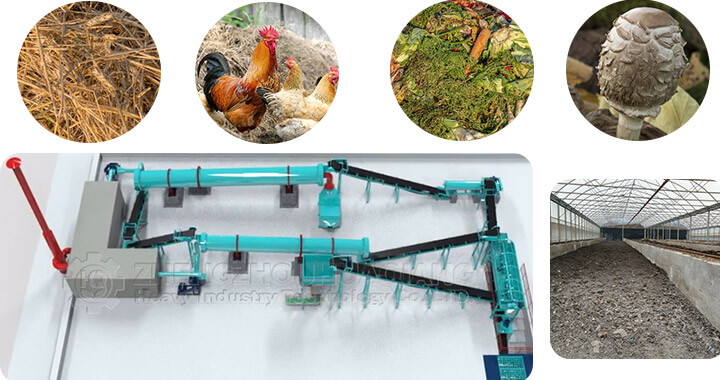
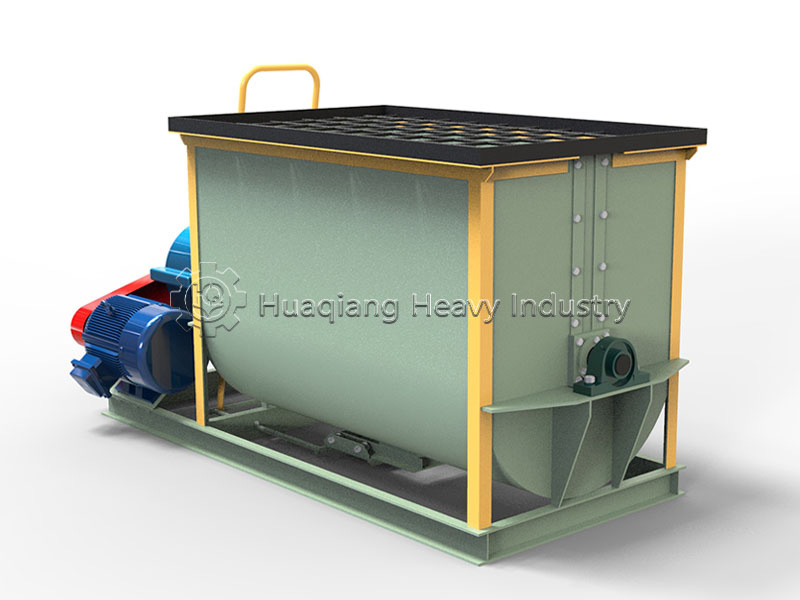
Raw material pretreatment serves as the foundation of the process, directly determining the effectiveness of subsequent fermentation. First, fresh chicken manure is collected and passed through screening equipment to remove impurities—such as feathers and stones—thereby preventing interference with equipment operation and fertilizer quality. Subsequently, auxiliary materials—such as straw powder and sawdust—are added in specific proportions to adjust the moisture content of the chicken manure to between 50% and 60% and to control the carbon-to-nitrogen ratio within the range of 25:1 to 30:1. Simultaneously, fermentation inoculants (e.g., EM bacteria) are evenly distributed throughout the mixture, which is then thoroughly blended using a double-shaft paddle mixer to prepare it for high-temperature fermentation.
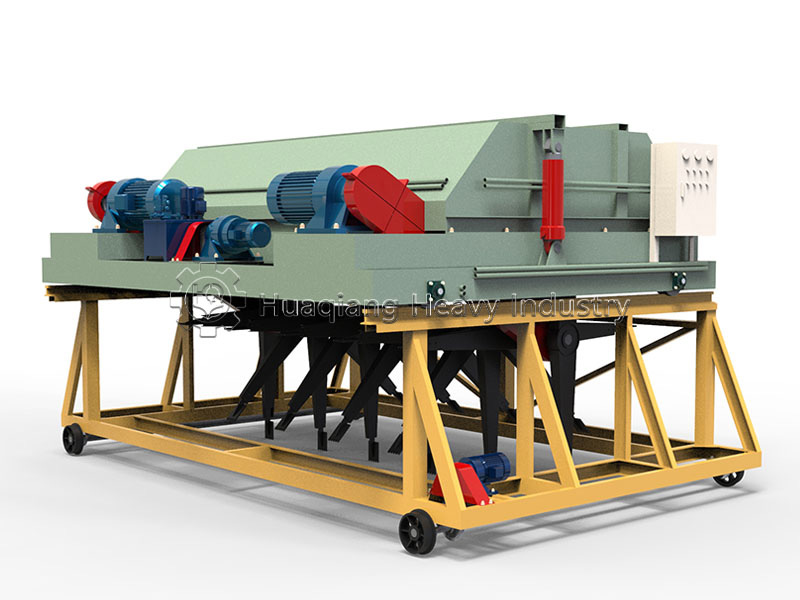
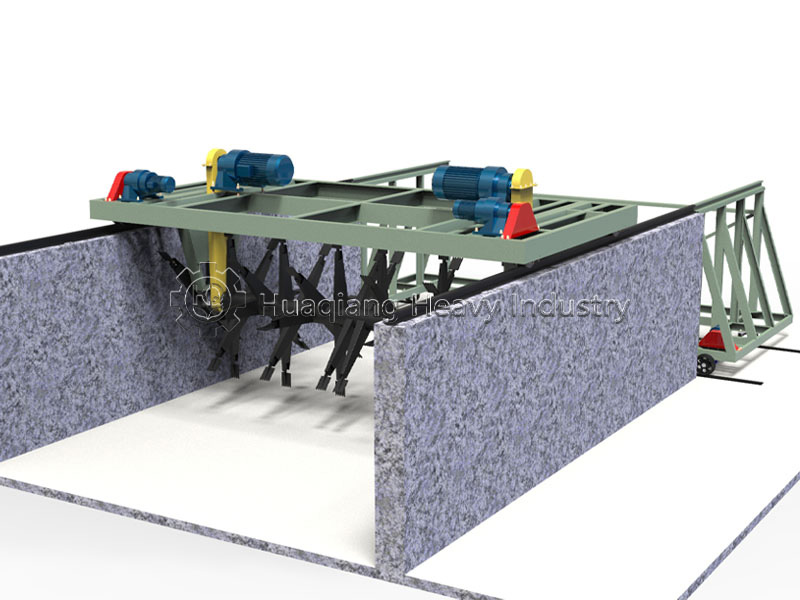
High-temperature aerobic fermentation constitutes the core of the process, aiming to eliminate pathogens and decompose organic matter. The mixed materials are transferred into fermentation troughs or tower-style fermenters, where they undergo periodic turning using trough-type or windrow compost turning machines to ensure an adequate supply of oxygen. During the fermentation process, the temperature is maintained between 55°C and 70°C for a duration of 7 to 15 days; this stage effectively eliminates pathogenic bacteria and insect eggs while breaking down the large-molecule organic compounds present in the chicken manure. Upon completion of fermentation, the material appears dark brown, is odorless, and possesses a loose texture, thereby meeting the standards for full maturity (composting).
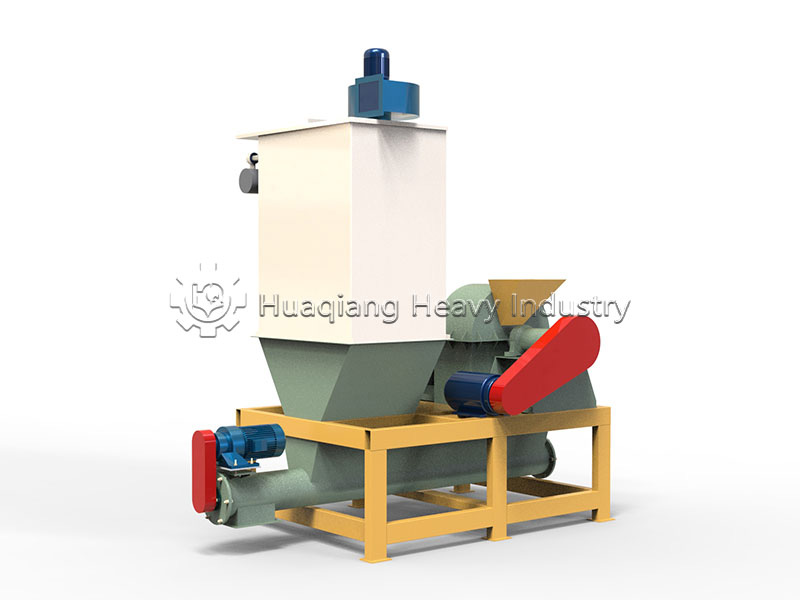
The crushing and screening stage is utilized to refine the material and enhance the uniformity of its fertilizer efficacy. The fully composted material is fed into a semi-wet material crusher to reduce its particle size to ≤5 mm, after which it is classified using a vibrating screen or rotary drum screen. Any oversized, unqualified coarse particles are returned to the crusher for reprocessing, while the qualified fine powder is forwarded to the next stage to ensure the quality of the subsequent granulation process.
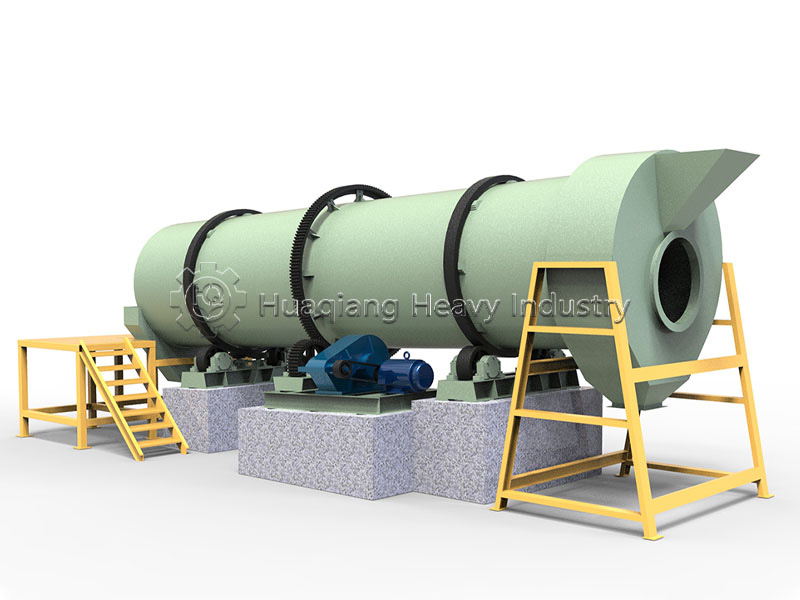
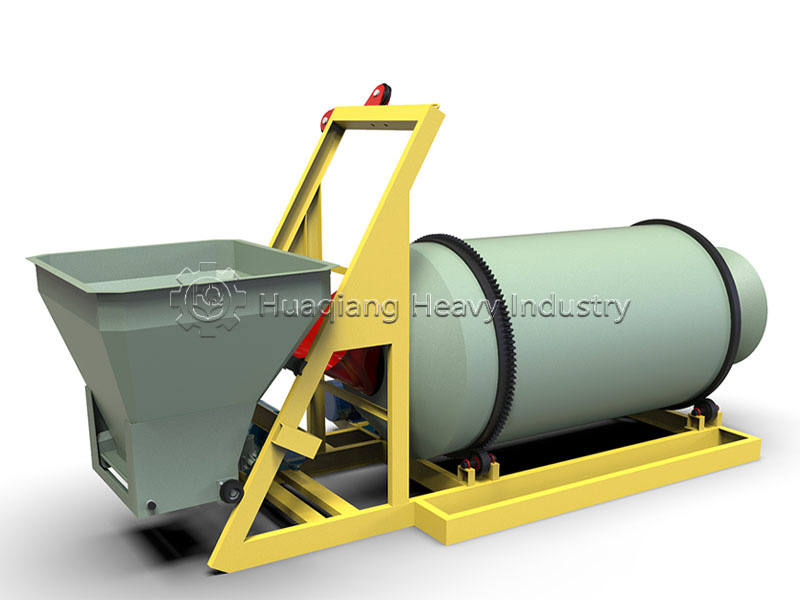
Granulation, followed by drying and cooling, represents the critical stage for enhancing the commercial marketability of the product. The qualified fine powder is fed into a disc granulator or rotary drum granulator, where—driven by centrifugal force—it forms uniform granules ranging in size from 2 mm to 4 mm; if necessary, a small amount of binding agent is added to enhance the structural strength of the granules. The granules are dried in a counter-current rotary drum dryer to reduce their moisture content to ≤12%, and are subsequently cooled to ambient temperature in a cooler to prevent caking and spoilage.
The packaging and inspection of the finished product constitute the final line of defense. After drying and cooling, the granules undergo a final screening process to remove impurities and broken particles, followed by packaging using an automatic quantitative weighing and bagging machine with flexible specifications. Prior to packaging, key parameters—such as organic matter and nutrient content—are tested to ensure full compliance with industry standards.
The entire process incorporates an eco-friendly design, featuring deodorization equipment—such as biofilters—to ensure that dust and exhaust emissions meet regulatory standards; additionally, residual heat from the drying process is recovered to reduce energy consumption. Through this scientifically engineered process, chicken manure is transformed from "waste into wealth," effectively resolving the environmental pollution issues associated with livestock waste while simultaneously providing high-quality organic fertilizer for agricultural production, thereby fostering green and circular development within the agricultural sector.



.jpg)