The equipment configuration of an organic fertilizer production line directly determines production efficiency, product quality, and operating costs. It is crucial to scientifically combine various organic fertilizer production equipment based on raw material characteristics, production capacity requirements, and product standards, following the principles of "process adaptation, performance matching, and controllable costs." The core is to cover four key stages: raw material pretreatment, fermentation and composting, deep processing, and finished product packaging, ensuring seamless connection between each process.
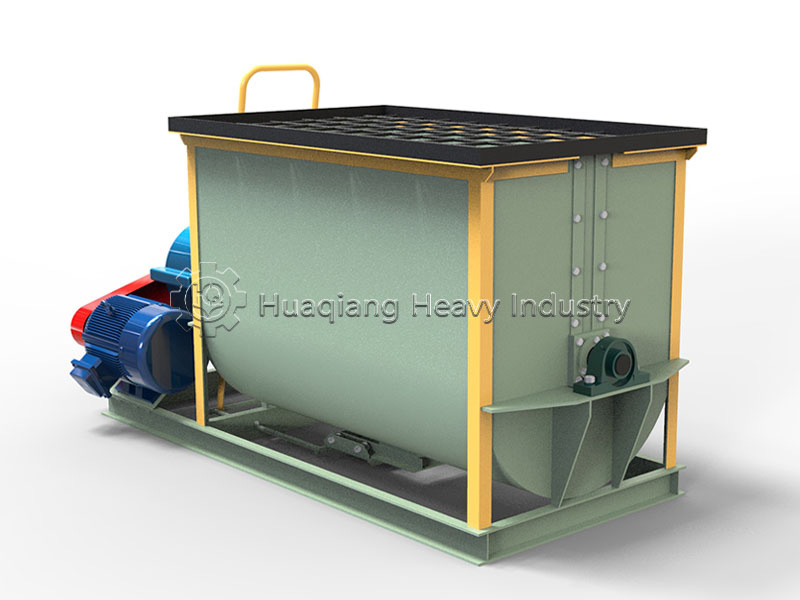
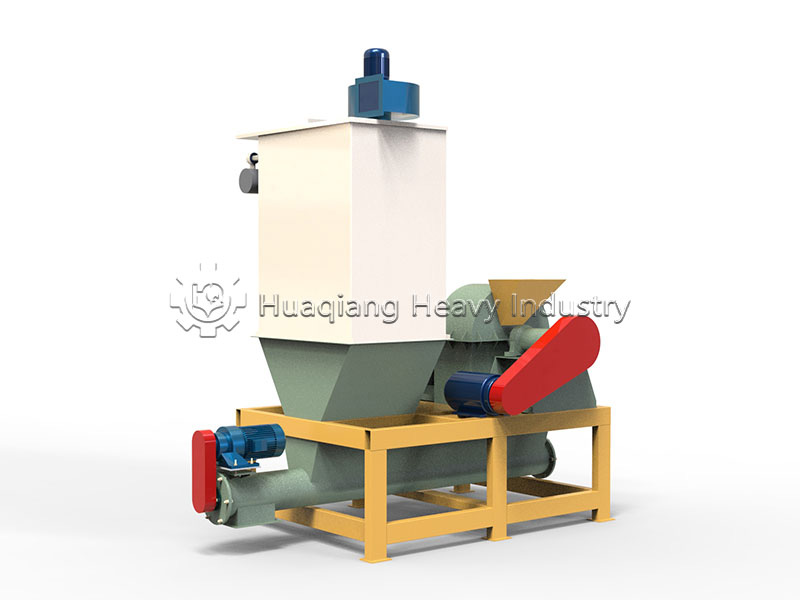
In the raw material pretreatment stage, crushing, screening, and mixing equipment should be selected according to the type of raw materials. If using livestock and poultry manure, straw, etc., as raw materials, a solid-liquid separator should be used first to treat high-moisture manure, and then a hammer mill should be used to crush straw and other lumpy materials to ensure uniform particle size. Subsequently, a horizontal mixer is used to mix various raw materials in proportion, laying the foundation for fermentation and composting. In this stage, attention should be paid to matching the equipment processing capacity with the subsequent fermentation stage to avoid raw material accumulation or insufficient supply.
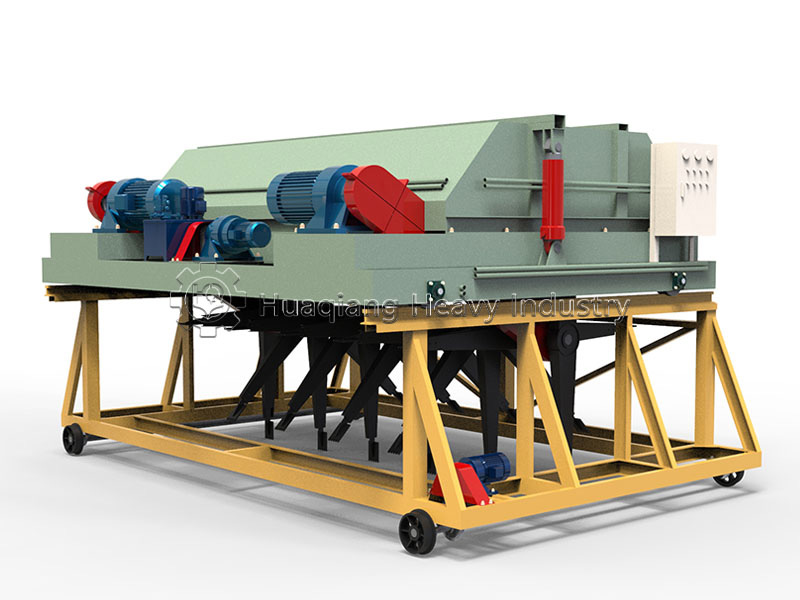
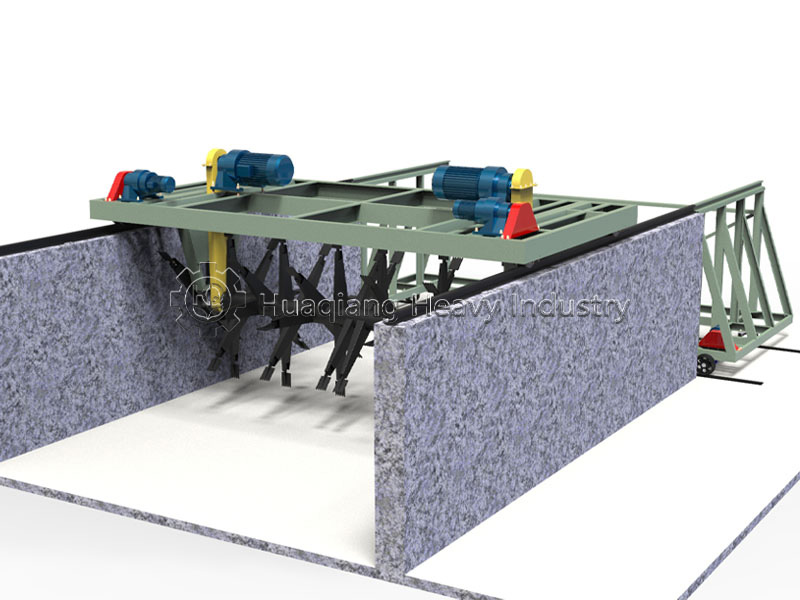
Fermentation and composting is the core stage, and equipment selection needs to consider both fermentation efficiency and composting effect. Small and medium-capacity production lines can be equipped with trough-type compost turning machines, suitable for windrow composting, with low equipment investment and flexible operation; large-capacity production lines are recommended to use large-wheel compost turning machines, which have deep turning depth and high efficiency, and can achieve automatic temperature and humidity control. At the same time, fermentation inoculant addition equipment should be included to ensure uniform distribution of microbial communities, accelerate raw material composting, and reduce odor emissions.
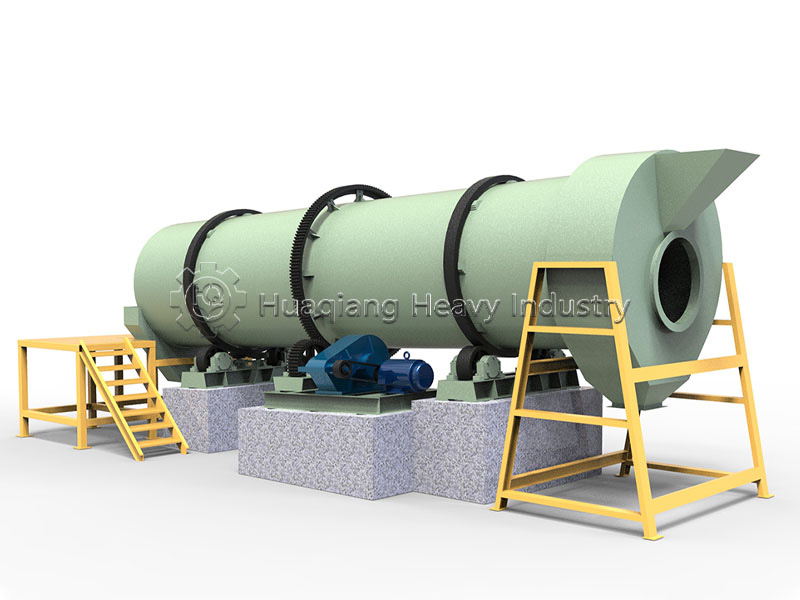
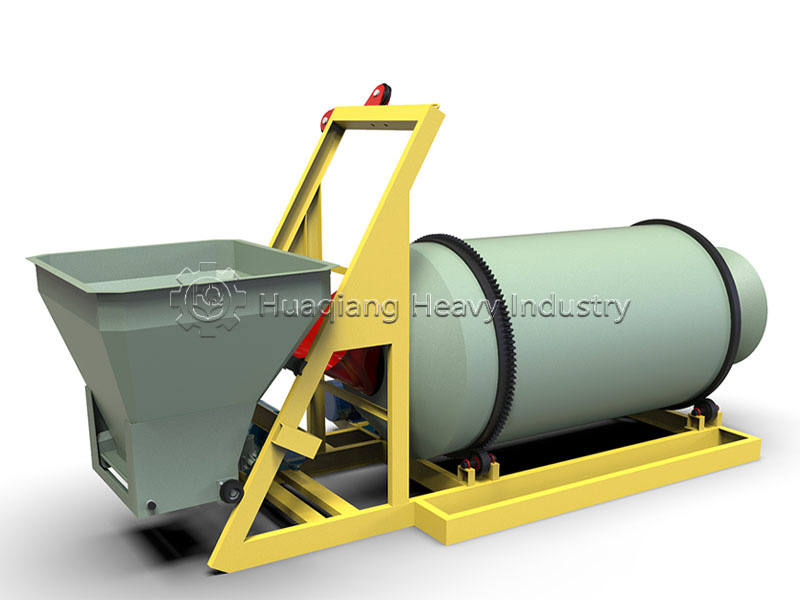
The deep processing stage requires equipment matching based on the finished product form. For granular organic fertilizer production, a drum fertilizer dryer is needed to reduce the moisture content of the composted material, followed by a disc granulator or a new type organic fertilizer granulator for shaping. Finally, a grading screen is used to screen qualified granules, and unqualified granules are returned to the crushing stage for reprocessing; for powdered organic fertilizer production, the process is simplified to drying followed by direct screening. In addition, a coating machine can be added as needed to improve the product's anti-caking properties and slow-release nutrient effect.
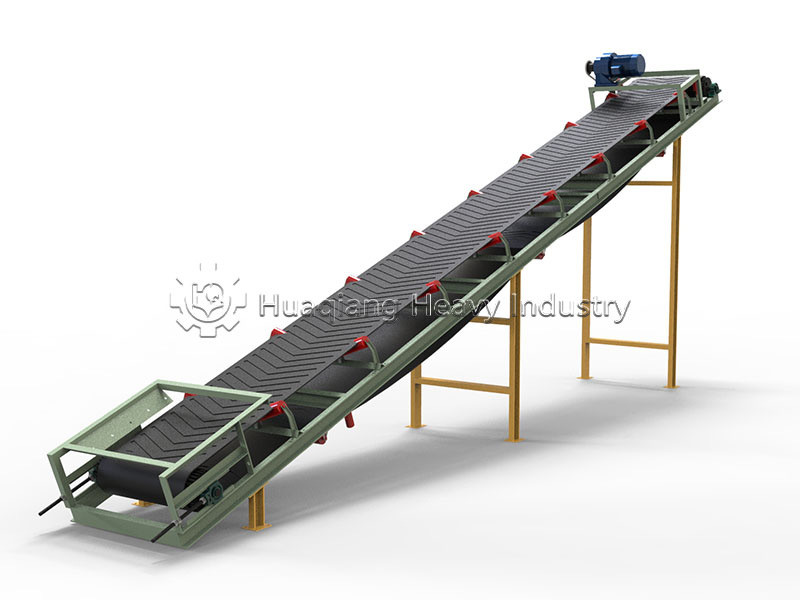
The finished product packaging stage requires automated and efficient packaging, using automatic quantitative packaging scales, sewing machines, and conveying equipment to ensure accurate measurement and standardized packaging, while reducing manual intervention.
Equipment configuration also needs to consider supporting facilities, such as ventilation and dust removal equipment to ensure a clean workshop environment, and control systems to achieve coordinated control of all stages. In summary, a scientific equipment configuration must be based on actual production needs, involving the rational selection of organic fertilizer machine, and considering the synergy between different stages and the cost-effectiveness of the equipment, in order to create an efficient and stable organic fertilizer production line.



.jpg)