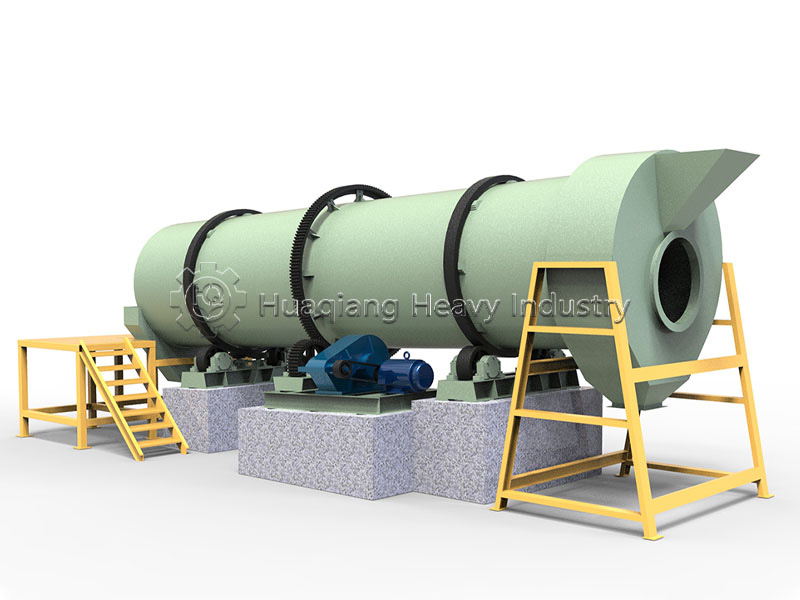
Organic fertilizer production lines are the core equipment for the resource utilization of livestock and poultry manure, crop straw, and other waste materials. Their stable operation directly determines the yield, quality, and production efficiency of organic fertilizer. However, in actual use, due to various factors such as raw material characteristics, equipment maintenance, and operating procedures, the production line often experiences various malfunctions, which not only affect production progress but may also reduce the product qualification rate and increase production costs.
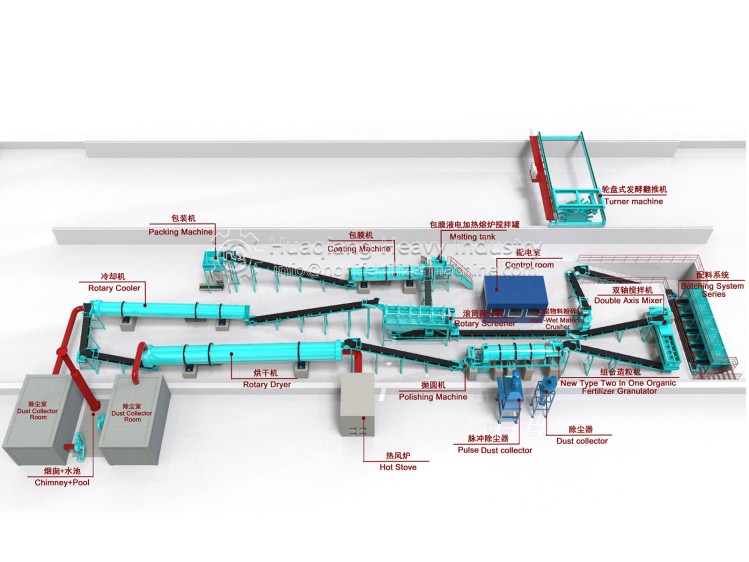
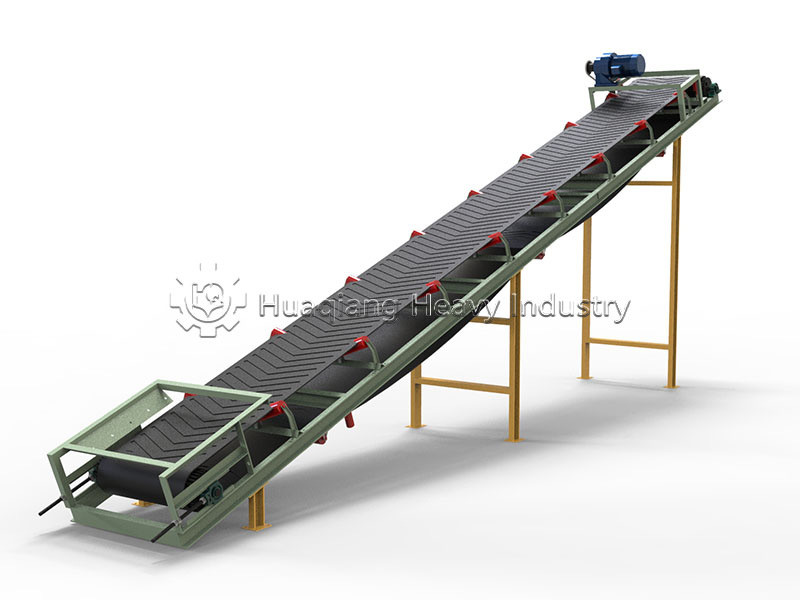
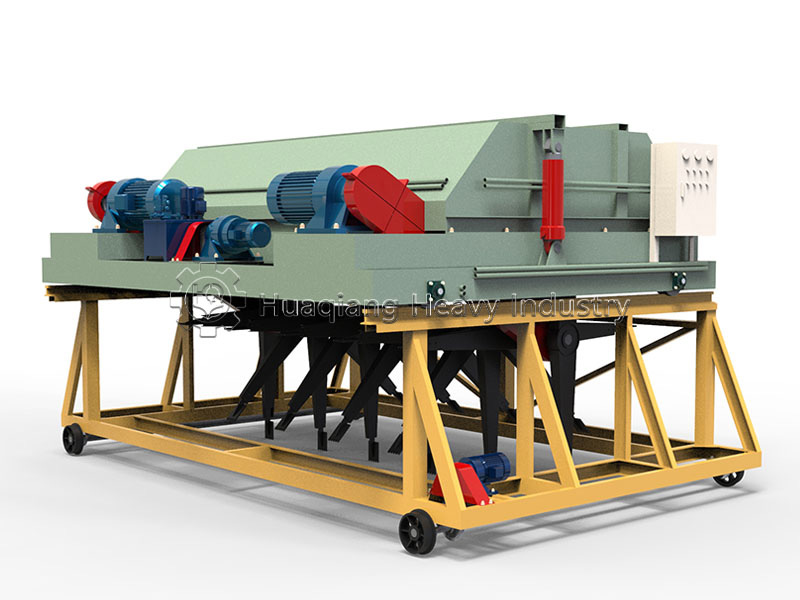
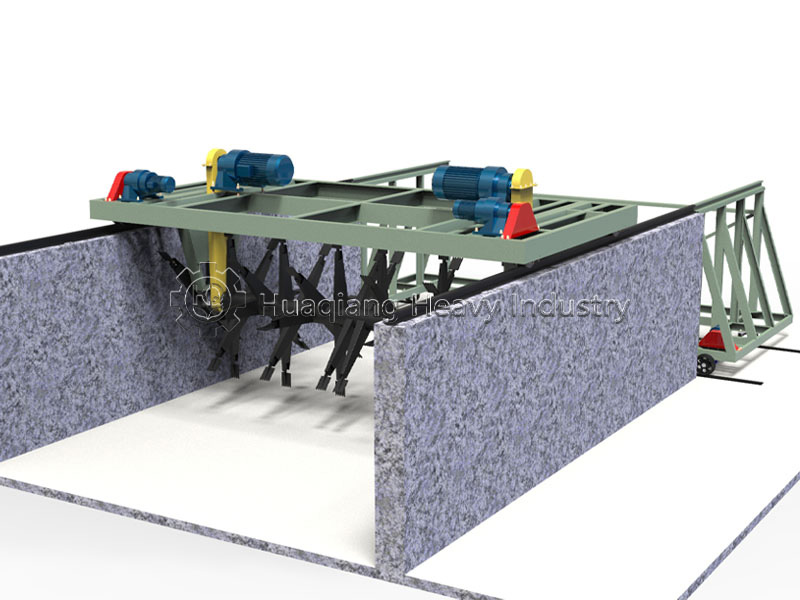
Frequent equipment failures are the most prominent problem in the use of organic fertilizer production lines. Crushing equipment is prone to problems such as screen clogging and severe blade wear, often due to the mixing of stones, metals, and other impurities in the raw materials, or due to a lack of timely cleaning and maintenance, resulting in reduced crushing efficiency or even shutdown for repairs. Fermentation equipment often experiences uneven temperature control and insufficient turning, leading to incomplete fermentation of materials, resulting in odors and insufficient maturity, affecting the quality of organic fertilizer. In addition, conveying equipment is prone to malfunctions such as belt deviation and chain loosening, especially when handling materials with high moisture content, which can easily lead to material adhesion and blockage of the conveying pipes.
Improper raw material handling also causes many problems for the production line. Organic fertilizer raw materials are diverse. If they are not adequately pre-treated, such as not crushing crop straw to the specified particle size or not removing impurities from livestock and poultry manure, it will increase the load on subsequent equipment, leading to low efficiency in the crushing and fermentation stages. At the same time, unreasonable raw material ratios, such as unbalanced carbon-nitrogen ratio or excessively high or low moisture content, will directly affect the fermentation effect, leading to problems such as prolonged fermentation cycles and material spoilage, and even the inability to produce qualified products. Some companies, in order to reduce costs, arbitrarily mix inferior raw materials, which can also lead to excessive heavy metals and unbalanced nutrients in the organic fertilizer.
Inaccurate control of process parameters is a key factor affecting product quality. The optimal temperature for the fermentation process is 55-65℃. Temperatures that are too high will destroy beneficial microorganisms in the raw materials, while temperatures that are too low will fail to kill pathogens and insect eggs. In the drying process, excessively high temperatures can lead to nutrient loss and charring of the organic fertilizer granules, while excessively low temperatures result in incomplete drying, causing the product to clump and mold, affecting storage and use. Furthermore, improper adjustment of parameters such as pressure and rotation speed in the granulation process can lead to uneven granule size, insufficient strength, and easy pulverization, reducing the product's marketability.
Environmental and safety hazards cannot be ignored. During production line operation, the fermentation process generates harmful gases such as ammonia and hydrogen sulfide. Without proper exhaust gas treatment equipment, this will pollute the surrounding environment and affect the health of workers. Substandard wastewater treatment and excessive dust emissions can also violate environmental regulations and lead to penalties. At the same time, some operators do not strictly follow safety operating procedures, such as operating equipment improperly or failing to wear protective equipment, which can easily lead to accidents such as equipment-related injuries and fires.
In summary, problems in the use of organic fertilizer production lines are mainly concentrated in equipment, raw materials, processes, and environmental protection, and are often related to improper operation and untimely maintenance. Companies need to strengthen daily equipment maintenance, standardize raw material pretreatment and proportioning, precisely control process parameters, improve environmental protection and safety facilities, and enhance the professional skills of operators to reduce malfunctions, ensure the stable and efficient operation of the production line, and promote the high-quality development of the organic fertilizer industry.



.jpg)