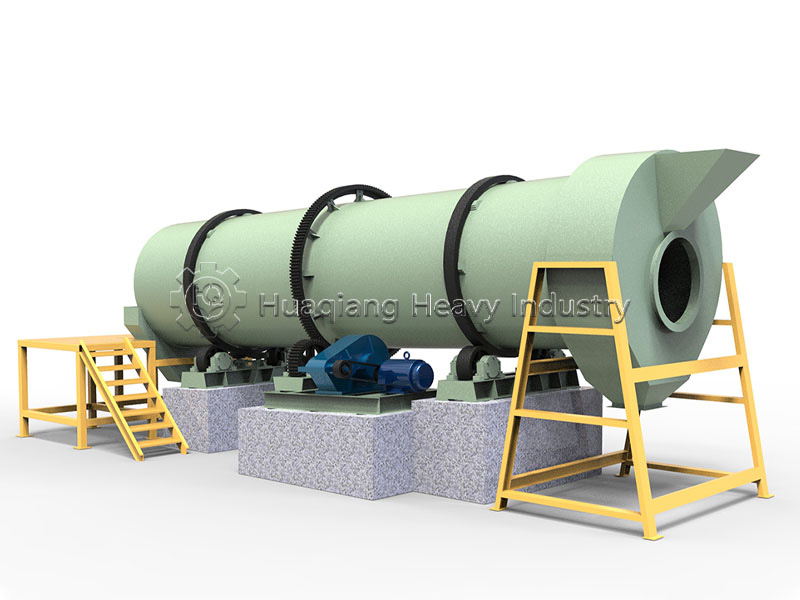
Organic fertilizer production equipment operates under complex conditions involving material grinding, high-temperature fermentation, and acid-base corrosion. Aging and deformation are major hidden dangers affecting the production efficiency and safety of organic fertilizer production lines. Effective protection of organic fertilizer machine requires a multi-faceted approach, including standardized operation, daily maintenance, and environmental control, to build a comprehensive, full-cycle protection system.
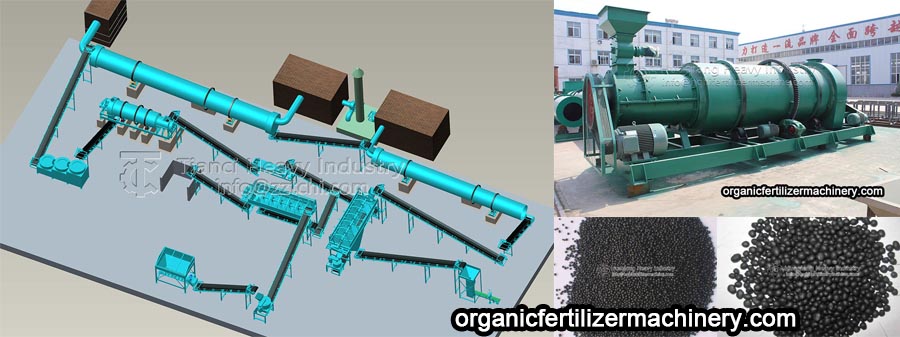
Standardized operation is the fundamental prerequisite. Operators must receive professional training and strictly follow equipment operating procedures, avoiding overloading – for example, crushing and granulation equipment must not be overloaded to prevent motor overload and uneven stress on the machine body, which can lead to deformation. At the same time, the physical properties of the input materials must be controlled, and hard objects such as stones and metals should be removed in advance to reduce impact wear on internal components. For fermentation-related equipment, temperature parameters must be precisely controlled to prevent long-term high-temperature exposure from causing thermal expansion and contraction imbalances in metal components.
Scientific maintenance is the core guarantee. Establish a regular inspection mechanism, checking the tightness of bolts and the lubrication status of bearings daily, and promptly identifying and addressing any looseness, abnormal noises, or other anomalies. Regularly polish, repair, or replace easily worn parts such as mixing paddles and drum inner walls to reduce the rate of aging. In addition, corrosion protection of the equipment is necessary; regularly apply anti-rust paint to metal surfaces, and use corrosion-resistant materials or apply anti-corrosion coatings to components that come into contact with corrosive materials to prevent acid and alkali corrosion from reducing component strength.
Environmental control is an important supplement. Reasonably plan the equipment storage and operating environment, avoiding long-term exposure to harsh weather conditions such as rain, snow, and direct sunlight. Construct protective shelters to reduce the erosion of the equipment by the natural environment. Keep the work area dry and well-ventilated to reduce the impact of air humidity on equipment corrosion. At the same time, regularly clean up material accumulation around the equipment to prevent material compression from causing deformation and ensure unobstructed operating space.
In short, preventing aging and deformation of organic fertilizer production equipment requires organically combining standardized operation, scientific maintenance, and environmental control, implementing full-cycle management responsibilities to extend equipment lifespan and ensure stable and efficient production.



.jpg)