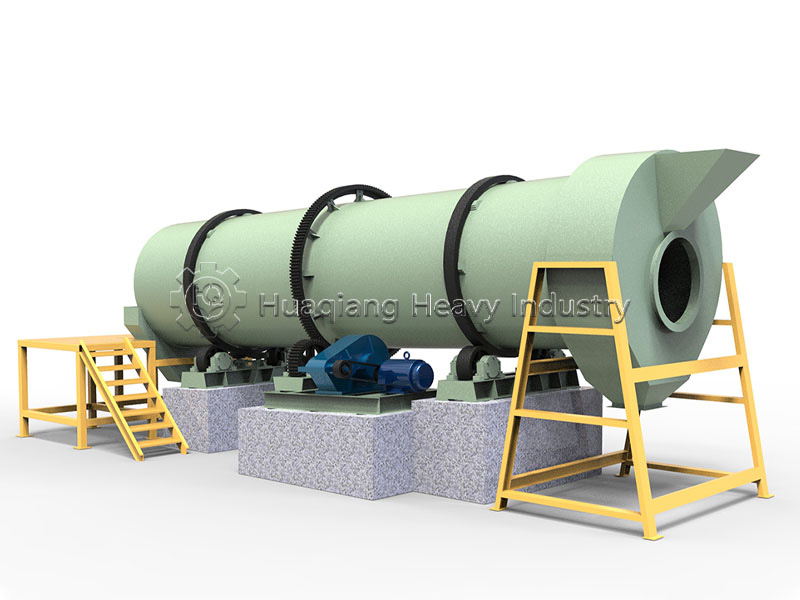
Amidst the surging tide of green agricultural development, organic fertilizer production lines have emerged as the pivotal link connecting agricultural waste with soil health. Far from being a mere standalone machine, such a line constitutes a comprehensive automated system—integrating crushing, fermentation, granulation, drying, and packaging—capable of scientifically transforming waste materials such as livestock manure, crop straw, and fruit and vegetable residues into high-quality organic fertilizer. This process realizes an ecological cycle of "turning waste into treasure," thereby injecting fresh momentum into the sustainable development of agriculture.
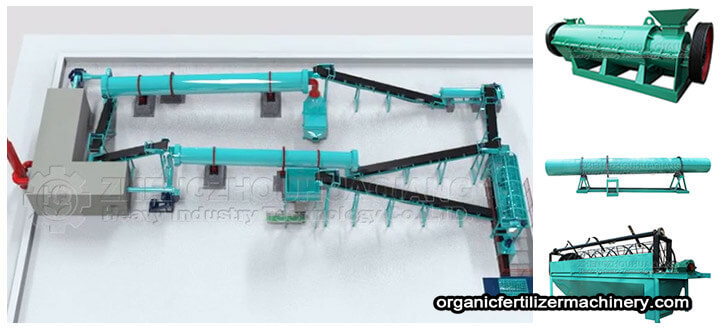
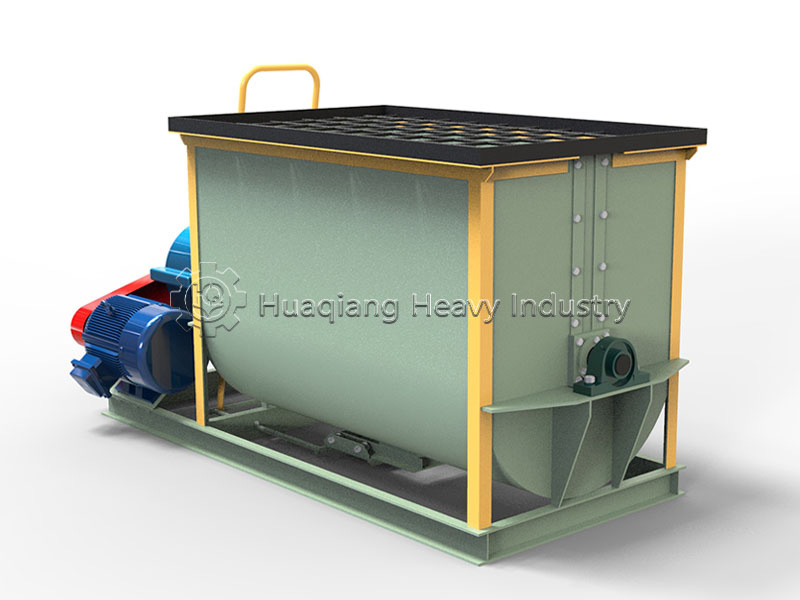
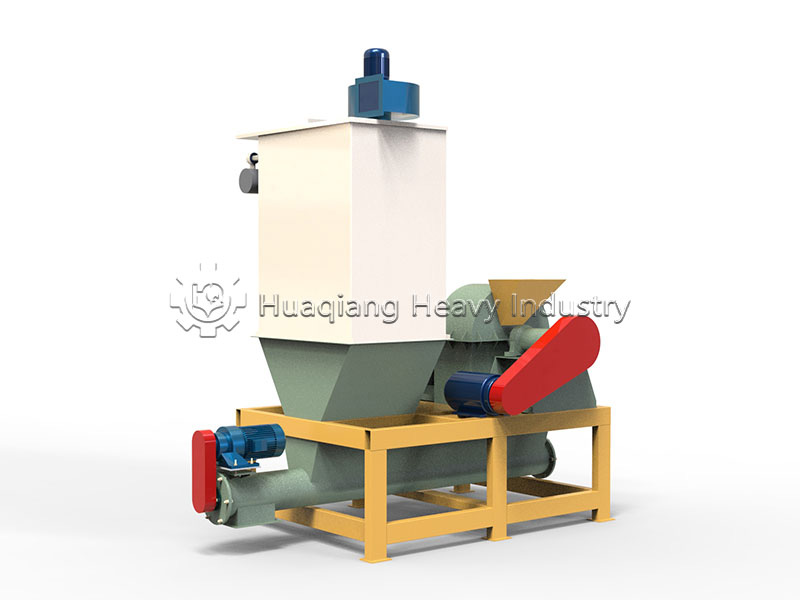
At the core of an organic fertilizer production line lies the principle of "harmless treatment combined with resource utilization," executed through a process where every stage is meticulously interconnected and scientifically rigorous. Raw material pretreatment serves as the initial step; crushers are employed to break down materials—such as straw and large clumps of manure—into a suitable particle size. Subsequently, mixers blend in auxiliary ingredients while adjusting moisture levels and the carbon-to-nitrogen ratio, thereby laying a solid foundation for the subsequent fermentation stage. This preparatory step effectively breaks down the structural integrity of the raw materials, increasing the surface area accessible to microorganisms and ensuring a more thorough and efficient fermentation process.
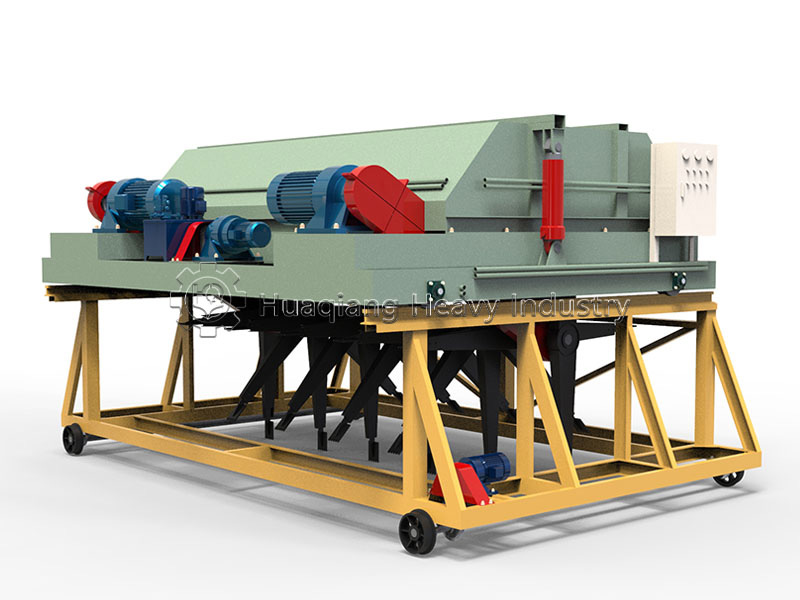
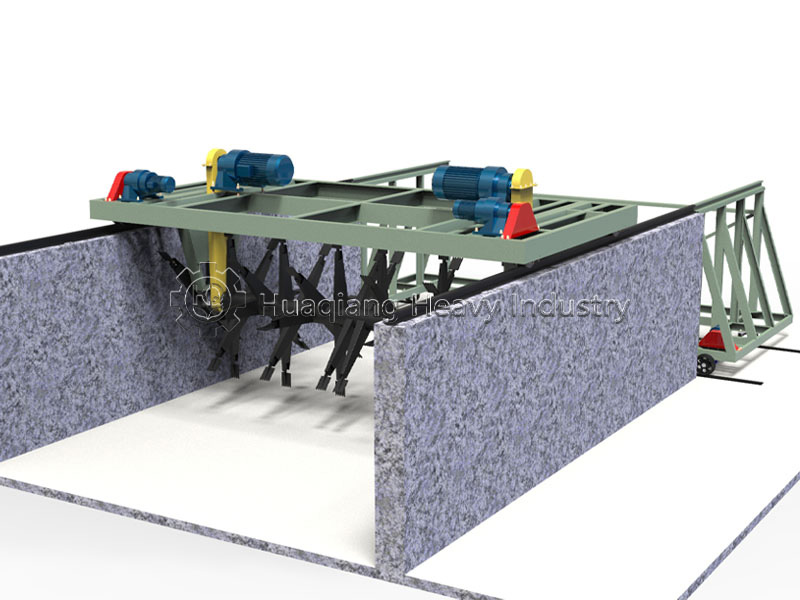
The fermentation stage constitutes the "soul" of the production line and is the critical determinant of the organic fertilizer's quality. Modern production lines predominantly utilize high-temperature aerobic fermentation technology. Through the use of fermentation tanks or trough type compost turners, the material temperature is precisely maintained within the range of 55–70°C. Coupled with forced ventilation and regular turning, this process allows for the complete, harmless treatment of the material in just 7 to 25 days—effectively inactivating pathogens and insect eggs while ensuring the organic matter undergoes full maturation. Compared to the 60-day cycle typically required for traditional open-air composting, this production line significantly boosts efficiency while simultaneously preventing the emission and diffusion of foul odors.
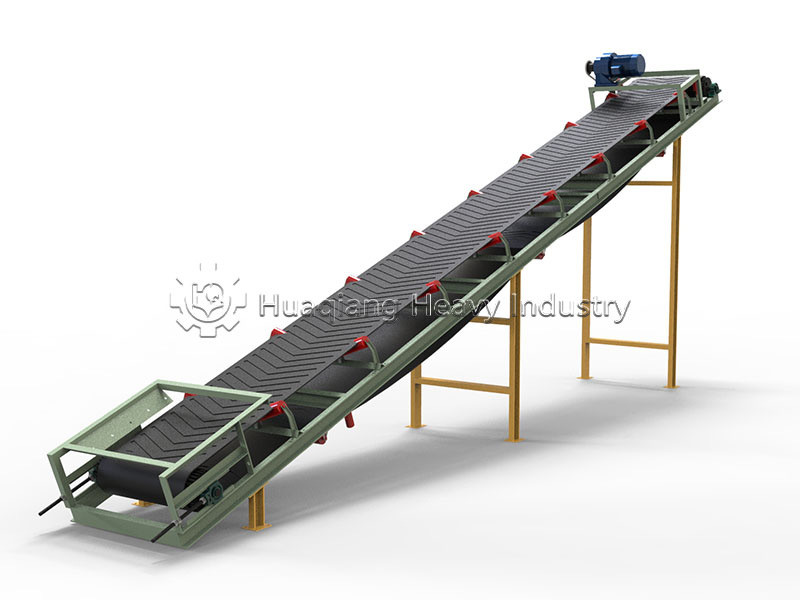
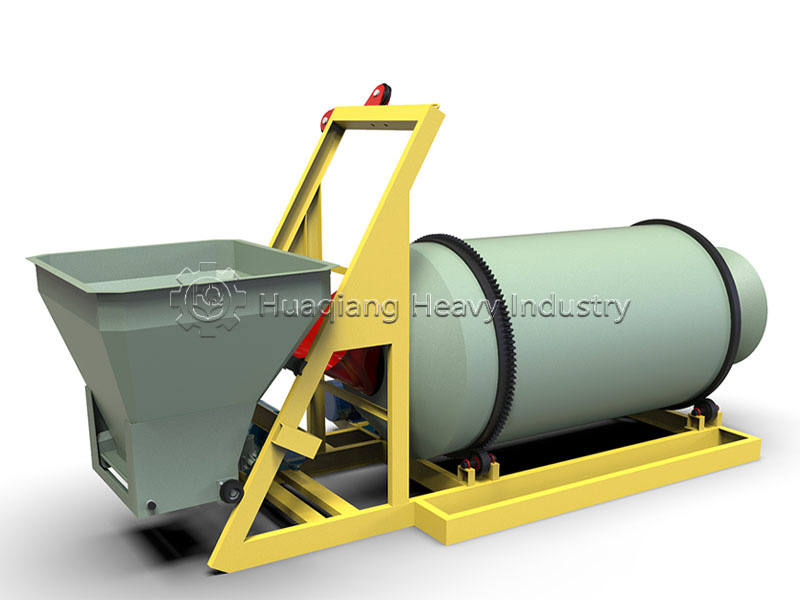
Following fermentation, the material undergoes a post-processing phase before it can be marketed as commercial organic fertilizer. After being crushed and screened to remove impurities, the material is processed through a granulator to form uniform pellets. It is then passed through a dryer to reduce its moisture content to below 15%, with the final stages—precise weighing and bagging—completed by automated packaging machinery. Granular organic fertilizer offers distinct advantages: it is not only convenient for storage and transportation but also allows for the controlled release of nutrients, thereby enhancing fertilizer utilization efficiency and effectively meeting the specific cultivation requirements of various crops.
From small-scale ecological farms to large-scale industrial organic fertilizer plants, the organic fertilizer production line is fundamentally rewriting the destiny of agricultural waste. It serves simultaneously as an "environmental guardian" for pollution control and a "nutrient factory" for soil enrichment. By leveraging technology to empower green agriculture, it ensures that every ounce of waste yields value—thereby providing robust support for safeguarding soil health, driving rural revitalization, and achieving "Dual Carbon" goals.



.jpg)