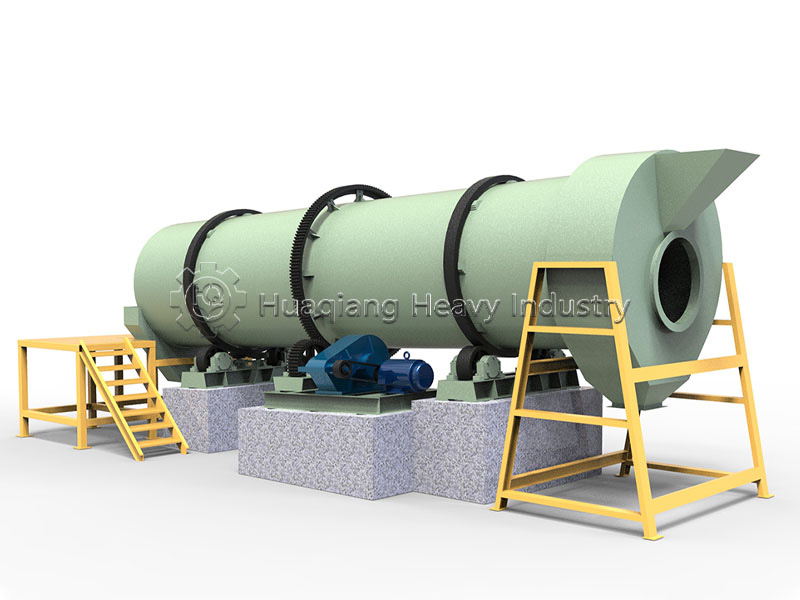
Organic fertilizer production equipment often faces hazards such as dust explosions, material leaks, and component wear, directly threatening the safety and efficiency of the organic fertilizer production line. Eliminating these hazards requires adhering to the principle of "prevention first, comprehensive management," building a comprehensive process control system, avoiding risks at the source, strengthening process control, and ensuring long-term safety measures to build a strong safety production defense line.
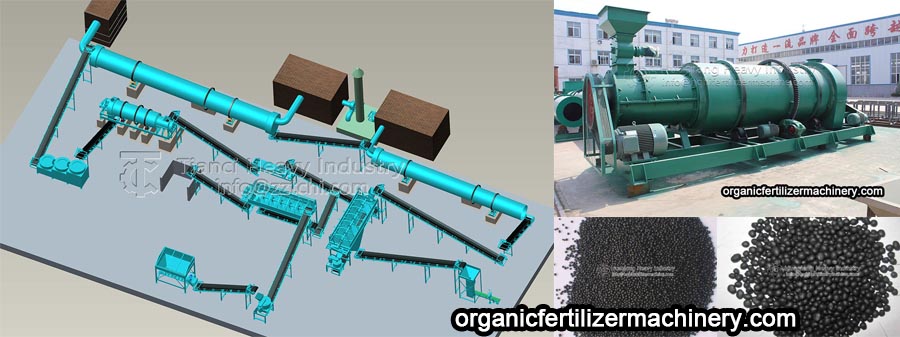
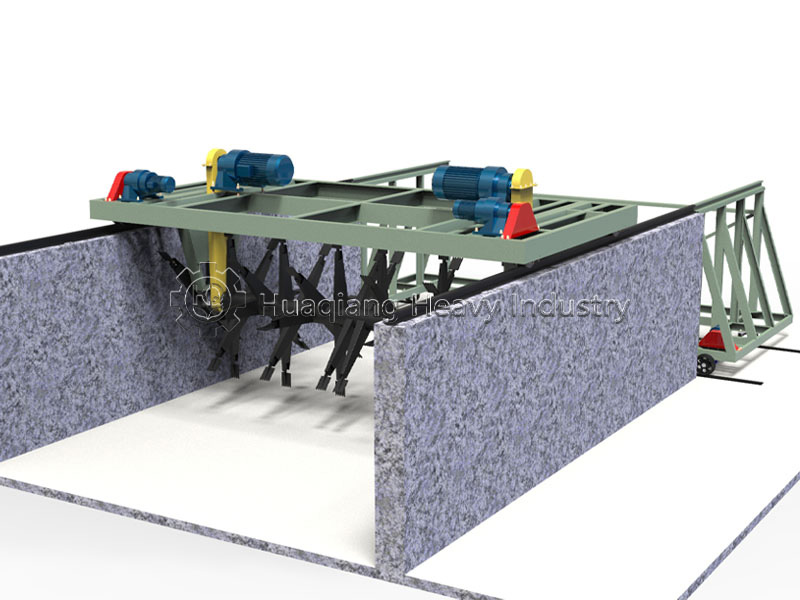
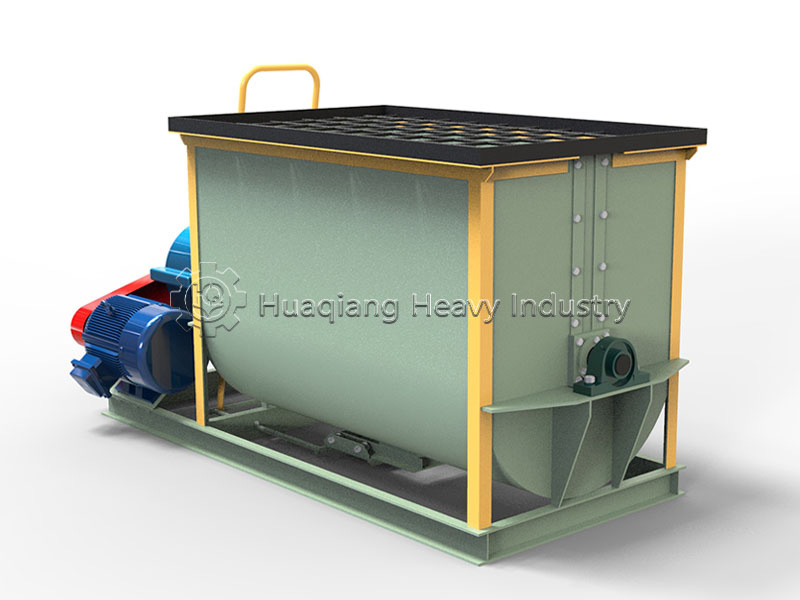
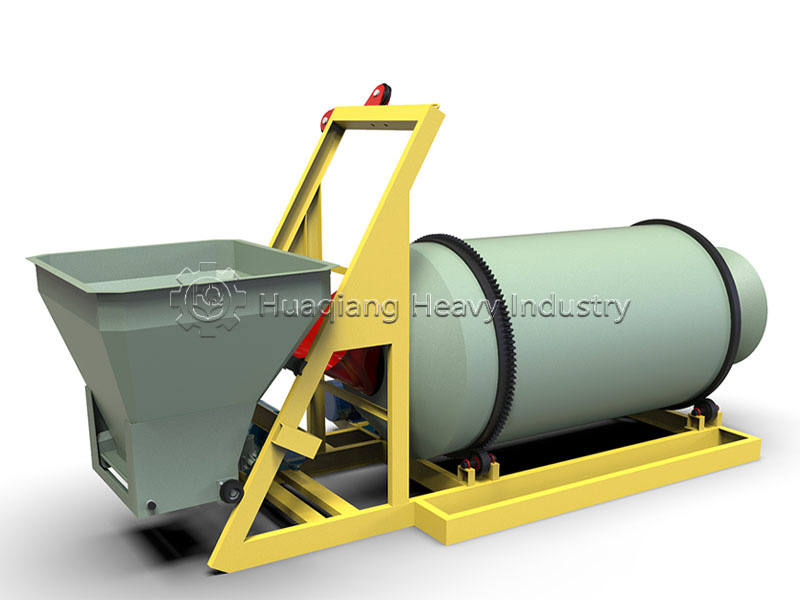
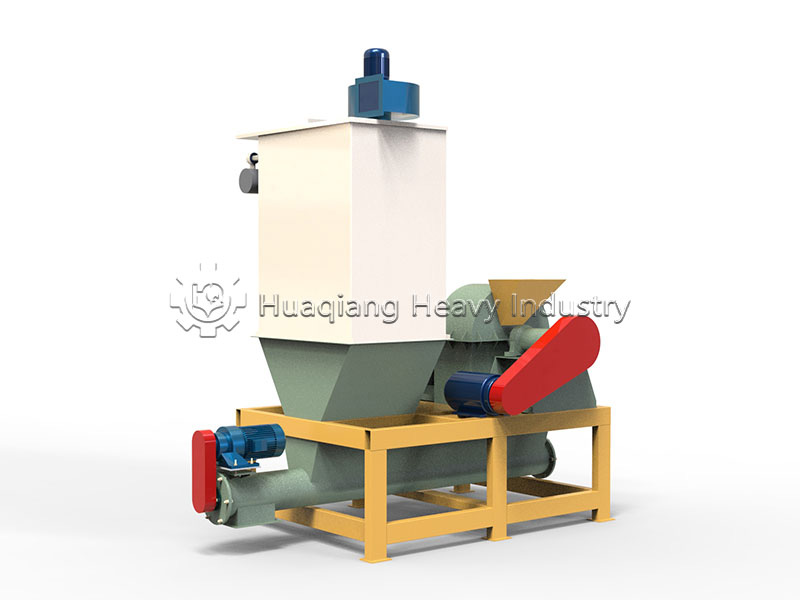
Source control is the foundation for eliminating hazards, requiring strict control over the selection of organic fertilizer making machine and raw materials. Equipment selection should comply with safety standards, equipped with high-sensitivity overload protection and automatic monitoring and alarm devices. Crushing and screening equipment must be equipped with effective dust control facilities, and pressure vessels such as fermentation tanks must undergo compliant testing before being put into use. In raw material management, strictly screen for flammable and explosive components such as ammonium nitrate, pre-treat raw materials containing sharp foreign objects or toxic and harmful substances, and monitor the temperature of easily self-igniting raw materials in real time to reduce the causes of hazards at the source.
Process control should strengthen equipment maintenance and standardized operation. Establish a graded maintenance system for daily, quarterly, and annual maintenance, clean residual materials from the equipment daily, and check the tightness of fasteners and lubrication. Regularly replace worn parts, conduct special inspections of electrical circuits and ventilation systems, and implement "shutdown, power off, tagging, and locking" maintenance procedures. At the operational level, all personnel must undergo pre-job training, and special operators must be certified. Dangerous operations such as overloading and unauthorized opening of covers are strictly prohibited. Key parameters such as fermentation temperature and dust concentration should be monitored in real time, and abnormalities should be dealt with promptly.
Long-term guarantees require improving management mechanisms and emergency capabilities. Establish a hazard investigation ledger, and through daily inspections and special inspections, classify and register hazards, set deadlines for rectification, and ensure closed-loop acceptance. Delineate explosion-proof areas, equip with fire-fighting facilities and gas detection devices, and regularly organize emergency drills to improve the ability to handle emergencies such as dust explosions and material leaks. At the same time, implement safety responsibilities for all personnel, and incorporate hazard management into performance evaluations, creating a good atmosphere of "everyone checks for hazards, and safety is paramount in everything."
Eliminating safety hazards in organic fertilizer production equipment is not a one-day task; preventive measures must be integrated into the entire production process. Only by considering equipment maintenance, standardized operations, and institutional safeguards can we fundamentally mitigate risks and build a strong safety barrier for organic fertilizer production.



.jpg)