Organic fertilizer granulation is a crucial step in transforming fermented and decomposed organic raw materials into regular granules. The organic fertilizer granulation machine utilizes the combined effects of mechanical force, adhesive force, and rolling molding to complete the transformation from powdery materials to qualified granules. The entire process is stable, efficient, and yields a high granulation rate.
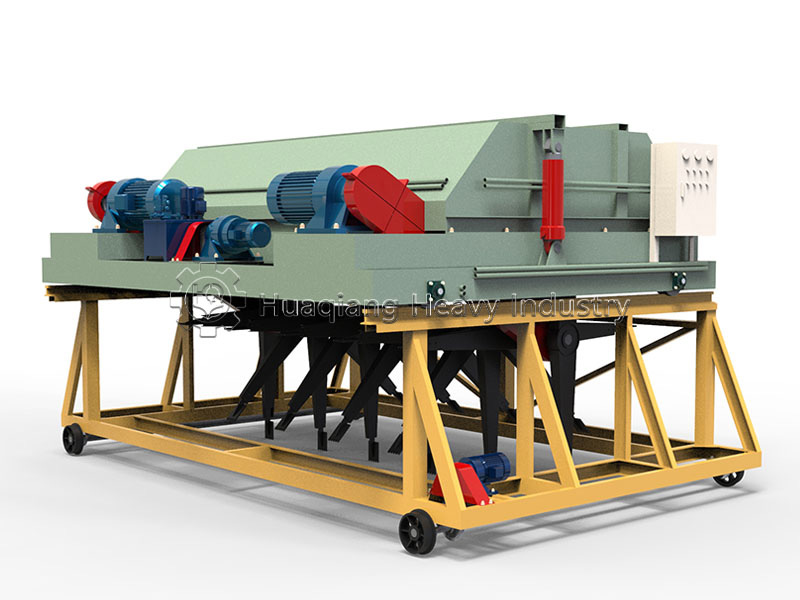
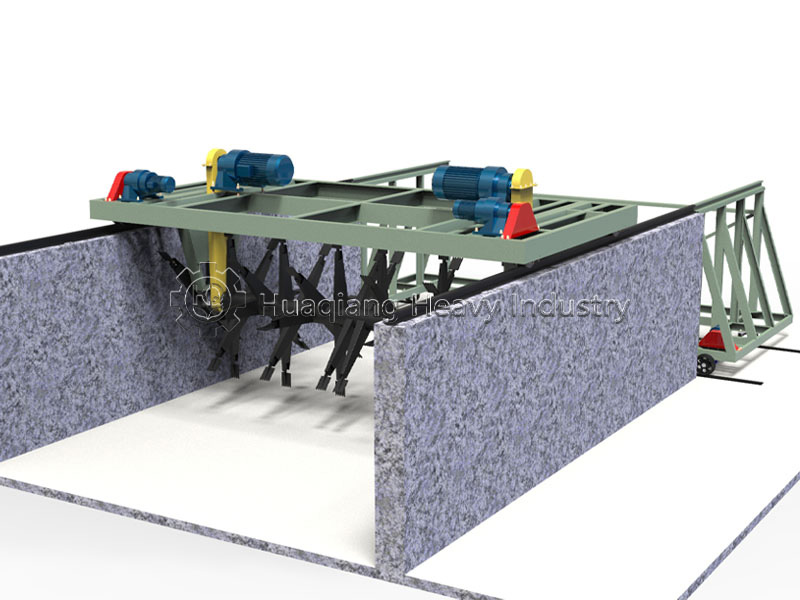
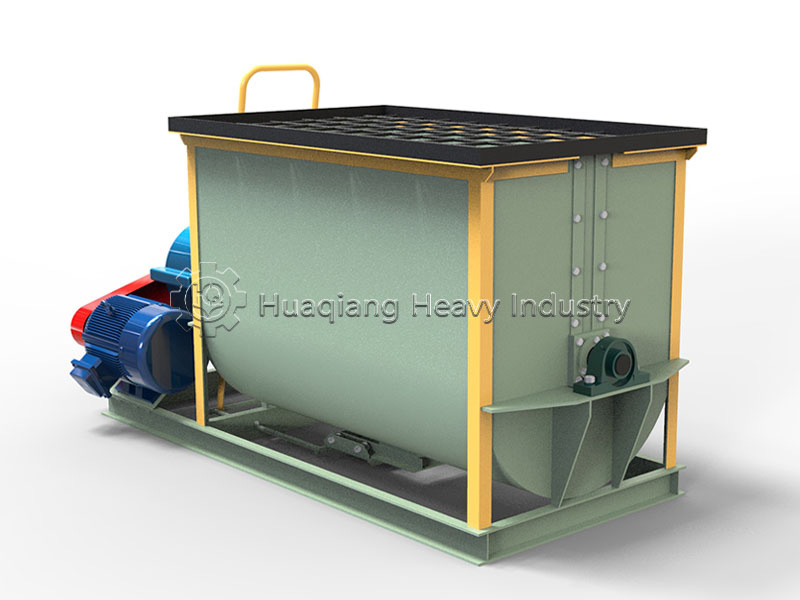
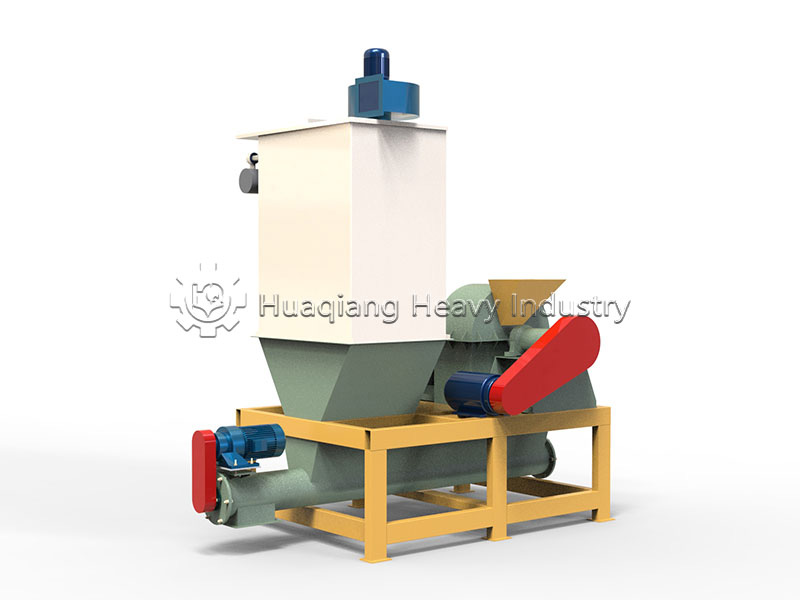
Pre-treatment of raw materials is necessary before granulation. Organic waste such as livestock and poultry manure, straw, and sludge undergoes high-temperature fermentation to kill pathogens and insect eggs. It is then crushed into fine powder using a semi-wet material crusher to remove lumps and impurities. The fine powder is then fed into a twin-shaft mixer, where binders such as humic acid and bentonite are added as needed. The moisture content is precisely controlled to 30%-45% to ensure the material's viscosity and moisture content are suitable for granulation, laying the foundation for molding. This moisture range is particularly suitable for the operating requirements of a toothed granulator.
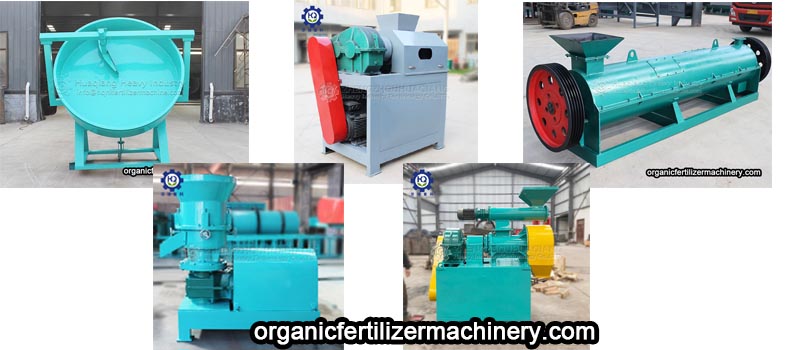
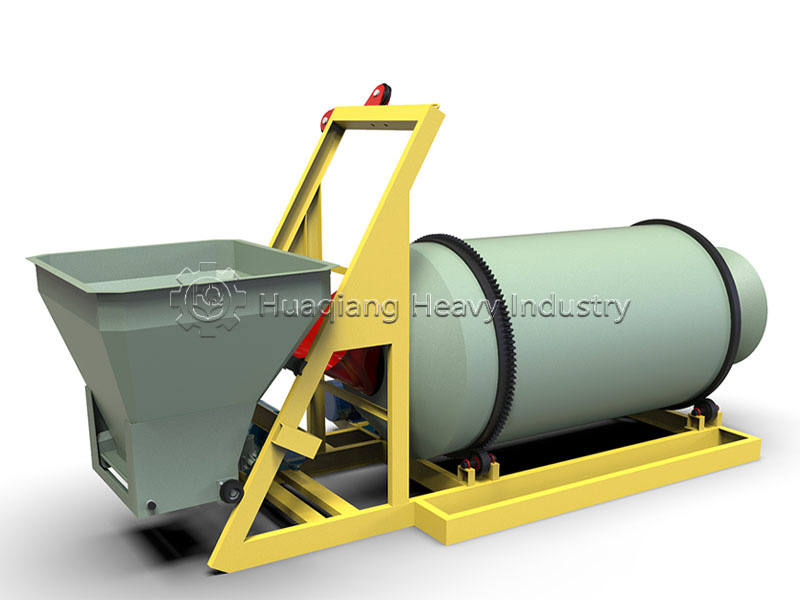
Taking the new type organic fertilizer granulator as an example, the core granulation stage... The pre-treated material is fed uniformly into the granulator cylinder. The horizontal main shaft at the center of the equipment drives multiple sets of stirring teeth arranged at specific angles to rotate at high speed, reaching 500-800 r/min. This intensely stirs, shears, and kneads the material. The high-speed rotation of the stirring teeth causes the wet powder to collide and adhere, initially forming tiny nuclei. Simultaneously, the auxiliary rotation of the cylinder causes these nuclei to tumble continuously within the cylinder, gradually growing larger like a snowball, ultimately forming regular granules of 2-5 mm. During this process, the intermittent stirring of the stirring teeth prevents excessive particle adhesion, ensuring uniform particle size. The material resides in the cylinder for approximately 8-12 minutes, adapting to the high-efficiency granulation characteristics of the new type organic fertilizer granulator.
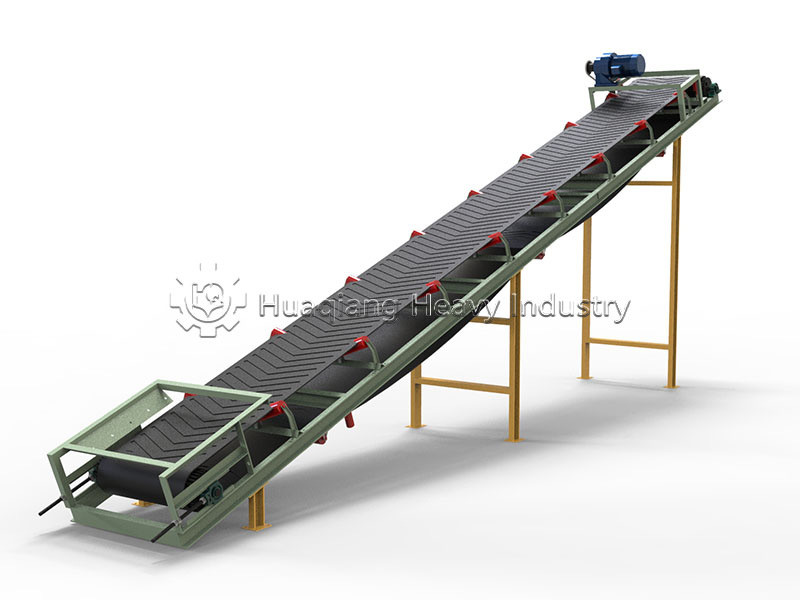
After granulation, the granules enter the shaping and grading stage. Under the axial pushing force of the stirring teeth and their own gravity, the shaped granules are discharged from the cylinder. During discharge, the granules undergo secondary kneading between the stirring teeth and the cylinder wall, rounding irregular particles, resulting in a smoother surface and a denser structure. The granules then enter a vibrating screen. Qualified finished products are conveyed downwards, while unformed fine powder and oversized particles are returned to the granulator for re-forming, achieving material recycling and enabling the stirring tooth granulator to achieve a granulation rate of over 90%.
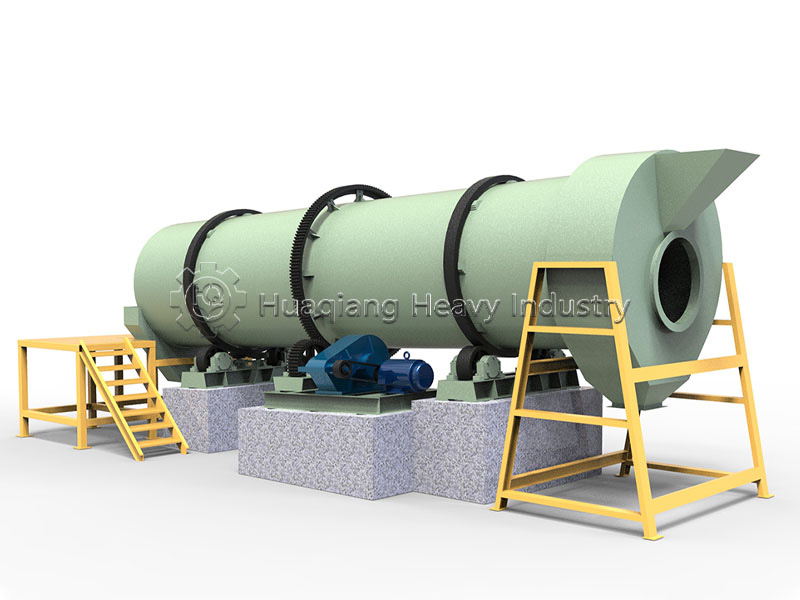
Finally, drying, cooling, and subsequent processing are required. Freshly formed granules have high moisture content and insufficient strength. Excess moisture is removed by a dryer, and then the granules are cooled to room temperature by a cooler, improving their hardness and storage stability. The cooled granules can be coated and packaged to become finished organic fertilizer for easy transportation and application.
The organic fertilizer granulation process is scientifically rigorous, preserving the nutrients of organic raw materials while optimizing the physical form of the fertilizer. It transforms agricultural waste into valuable resources, contributing to the development of green agriculture and serving as an indispensable core process in organic fertilizer production lines. Among these processes, the stirring tooth granulator, with its adaptability to high-moisture materials and high energy efficiency, has become the preferred equipment for small and medium-sized organic fertilizer plants.



.jpg)