The resource utilization of organic waste—such as livestock manure, crop straw, and spent mushroom substrate—relies on a complete organic fertilizer production line. The equipment suite is organized into six major stages: pretreatment, fermentation and composting, crushing and batching, granulation, drying and cooling, and screening and packaging. This setup covers the entire process from raw material to finished product while addressing both environmental protection and automated production needs.
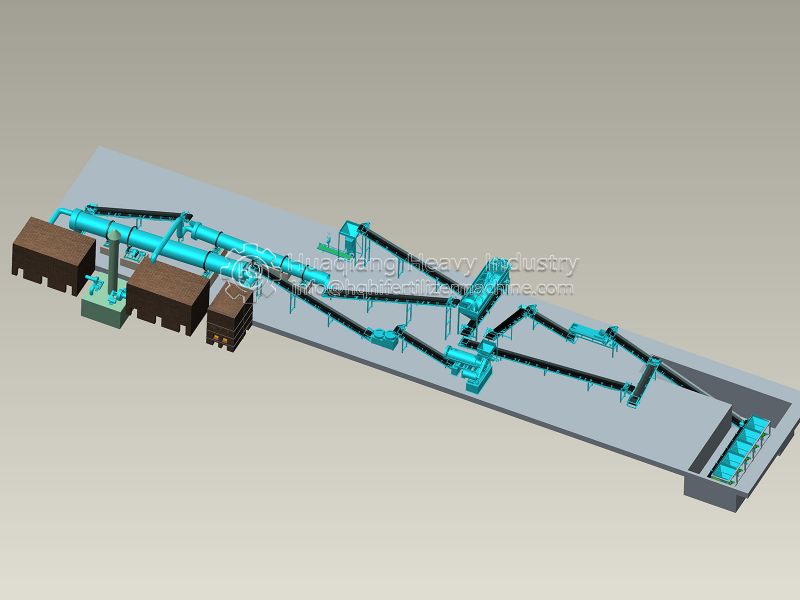
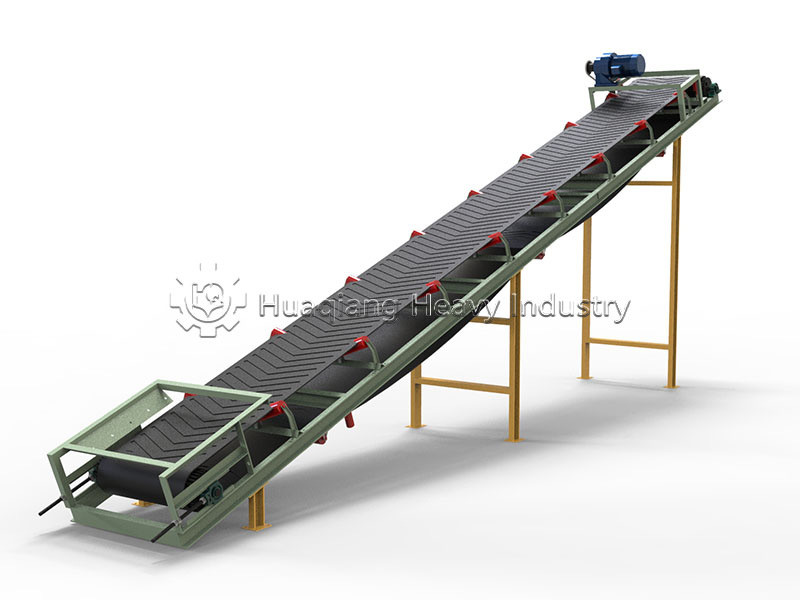
Raw material pretreatment forms the production foundation. Fresh manure has high moisture content, so a solid-liquid separator is used first to reduce moisture; bulky additives like straw and branches require a straw crusher to break them down. Automated batching bins and belt conveyors are used to precisely mix manure, straw, and fermentation agents based on the carbon-to-nitrogen (C/N) ratio, preparing the material for fermentation; the system allows for automatic feeding and conveying, minimizing manual handling.
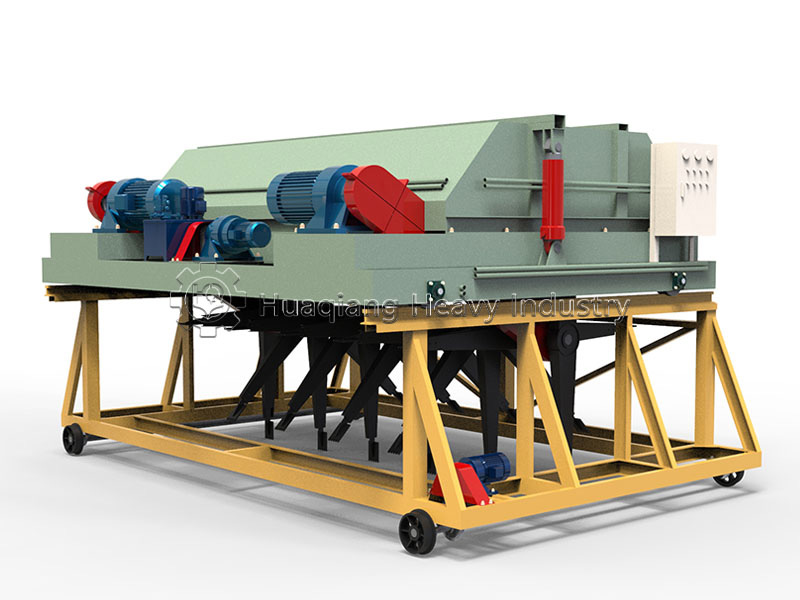
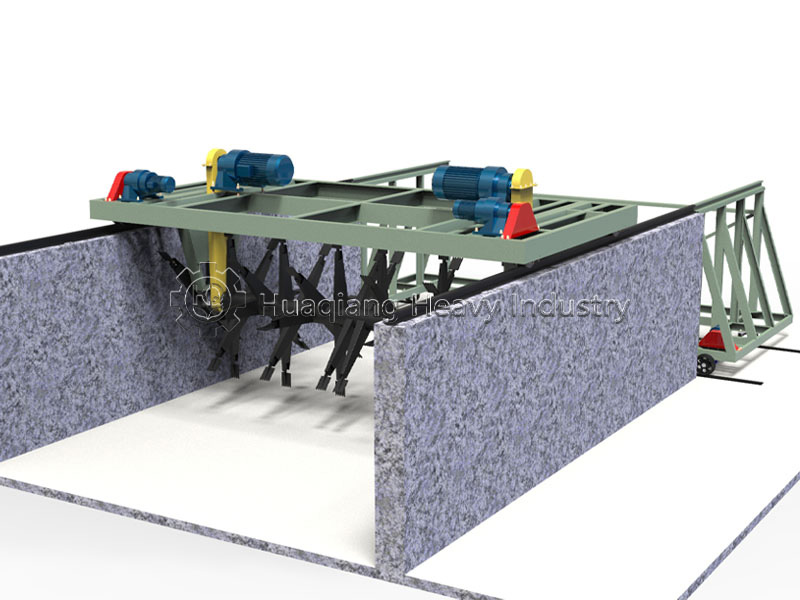
Fermentation and composting constitute the core process for rendering organic fertilizer safe, with the compost turner serving as the key piece of equipment. Crawler-type compost turners are selected for small production lines, while large-scale facilities utilize large wheel compost turners; regular turning replenishes oxygen and maintains high temperatures (55–70°C) to kill insect eggs and pathogens. Enclosed fermentation tanks and biological deodorization equipment are included to control odors and meet environmental emission standards, potentially shortening the composting cycle to just over ten days.
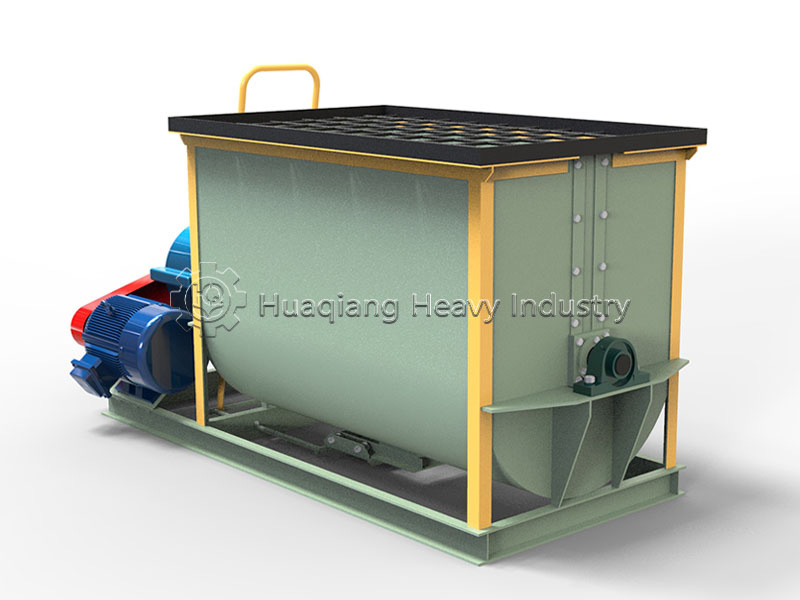
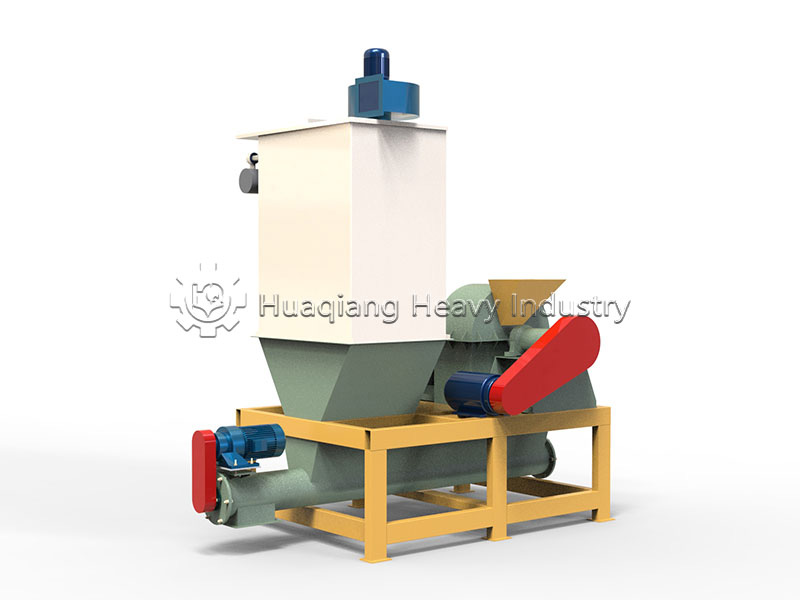
Composted, clumped material enters the crushing and batching section. The primary equipment here is a half-wet material crusher, designed to prevent high-moisture material from sticking to the walls and to ensure uniform particle size after crushing. The crushed material is fed into a twin-shaft paddle mixer equipped with an automatic metering system to evenly blend in additives such as humic acid and trace elements, ensuring balanced nutrient content in every batch of fertilizer.
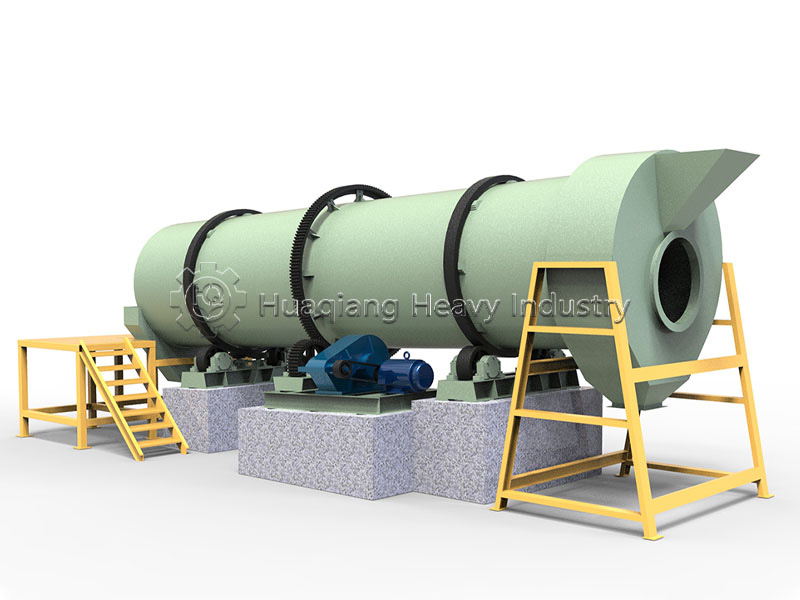
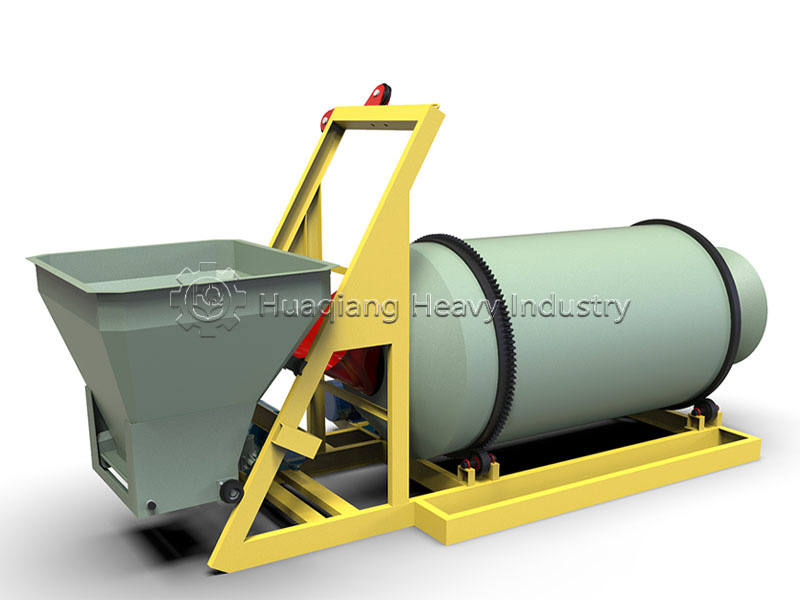
Granulation involves two mainstream machine types: disc granulators, which produce round granules and are suitable for small-to-medium plants, and new type organic fertilizer granulators, which offer higher efficiency for large-scale operations. After granulation, the product passes through a drum dryer and a cooler; drying removes excess moisture, while cooling prevents high-temperature clumping or mold growth, thereby extending the shelf life of the finished product. The finishing section features a drum screen to classify and select qualified granules, while substandard fragments and fines are recycled for re-granulation. Finished granules are sprayed with an anti-caking coating and subsequently bagged and sealed by a fully automatic quantitative packaging machine. The entire production line integrates belt conveyors, bucket elevators, and dust removal systems to form a continuous, automated, closed-loop process.
The equipment suite offers flexible configuration options: smaller facilities can opt for a simplified setup—omitting drying and granulation—to produce powdered organic fertilizer, whereas large-scale granular production lines incorporate the full range of processing units. This standardized equipment enables the on-site conversion of waste materials, ensures stable production and ease of operation, and serves as a core component for the standardized establishment of organic fertilizer plants.



.jpg)