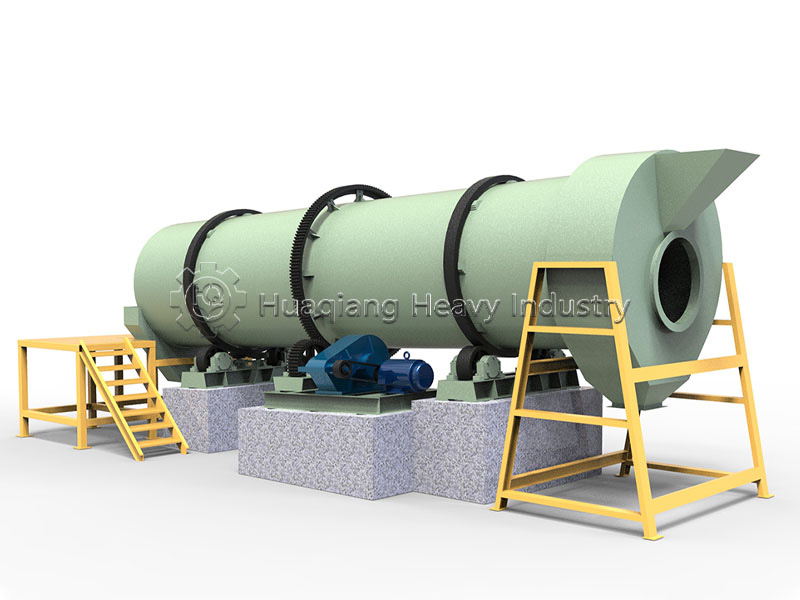
An organic fertilizer production line serves as the core vehicle for the resource utilization of organic waste and for ensuring fertilizer quality. Its stable operation relies fundamentally on scientific and standardized maintenance, while the optimal condition of the machinery itself is critical to the line's efficient performance. Proper maintenance not only extends the service life of the equipment and reduces downtime caused by malfunctions but also guarantees production efficiency and product quality, thereby supporting the sustainable development of green agriculture.
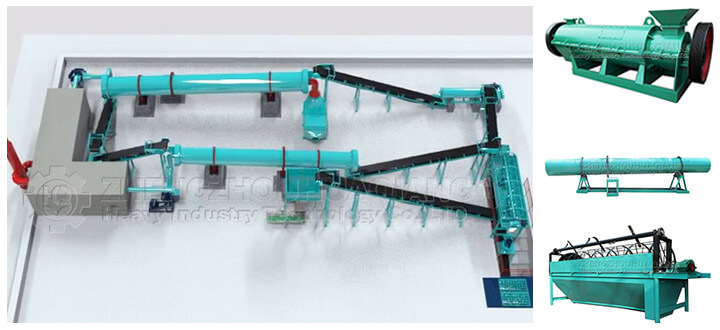
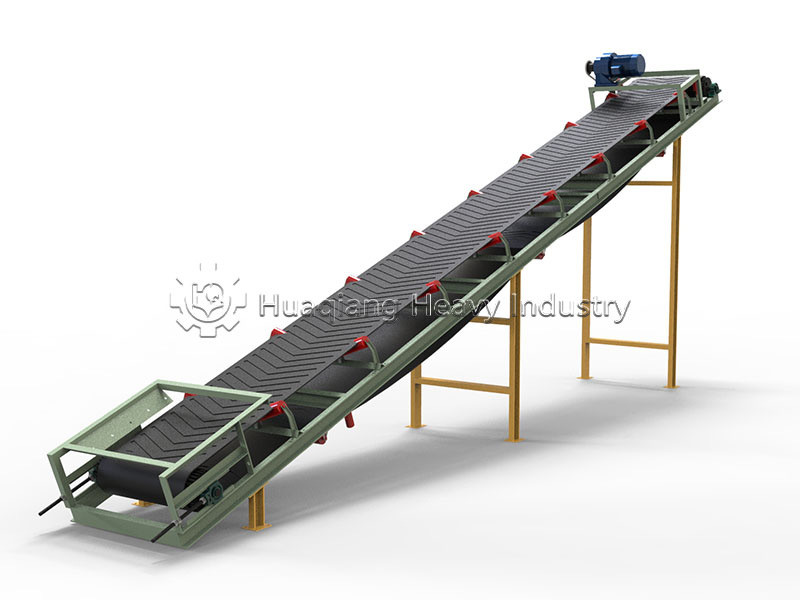
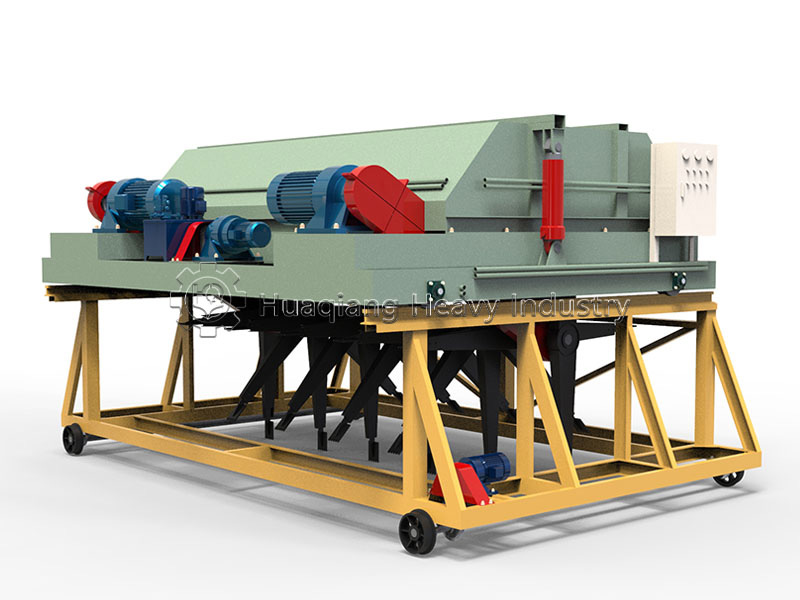
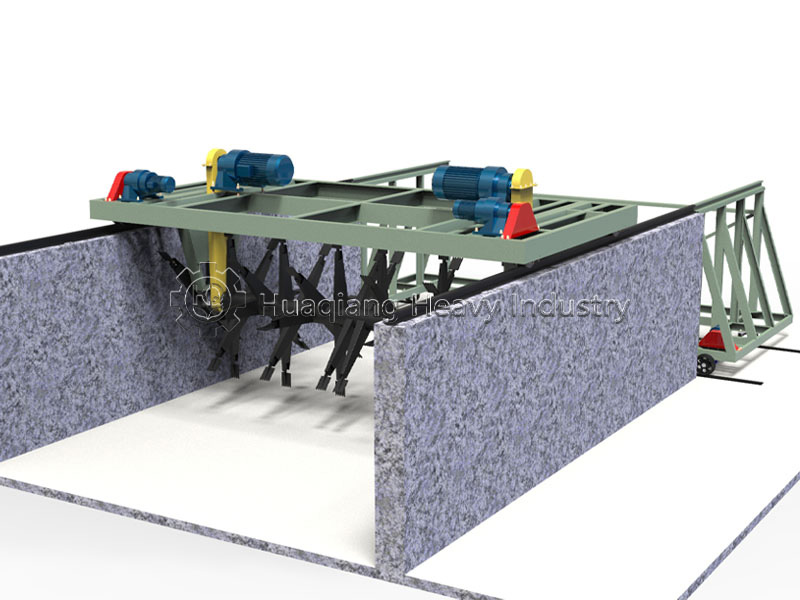
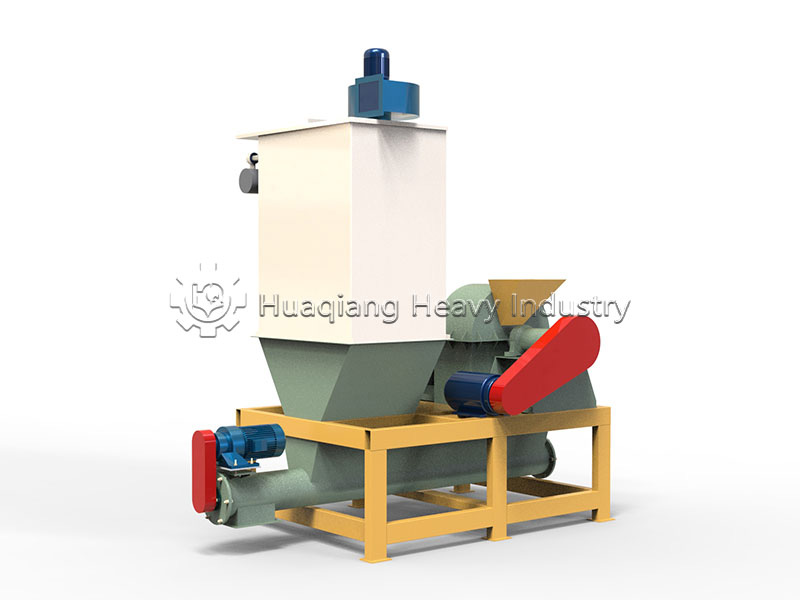
Routine daily maintenance forms the foundation of this process, requiring a focused and precise approach to the management of core components. Every piece of equipment within the production line must adhere to the principles of "daily cleaning, periodic inspection, and timely lubrication." For equipment prone to clogging—such as crushers and granulators—internal material residues must be thoroughly cleared after every shutdown to prevent caking, corrosion, or blockages in screens and rollers. Transmission components—such as bearings and speed reducers—require regular temperature monitoring; if temperatures exceed 70°C, operations must be halted immediately for inspection and repair. Additionally, appropriate lubricants must be applied as specified, and high-temperature-resistant gear oil should be replaced every 800 hours of operation to minimize frictional wear. For equipment such as compost turners and conveyors, chains and belts must be periodically inspected for tension and wear; they should be tightened or replaced promptly to prevent failures such as breakage or slippage.
Managing process parameters is a key focus of maintenance, requiring a balance between operational efficiency and product quality. During the fermentation stage, temperature and humidity sensors must be checked regularly to ensure the fermentation temperature remains stable within the 55–70°C range; the frequency of turning and the volume of ventilation should be adjusted in real-time to prevent incomplete fermentation, which can lead to foul odors or equipment malfunctions. The drying and cooling stages require precise control over temperature and duration; drying temperatures should not exceed 80°C to prevent high heat from degrading the organic matter. Furthermore, products should be allowed to cool before packaging to prevent caking, which could subsequently interfere with the operation of downstream equipment. Concurrently, batching and metering equipment must be calibrated periodically to ensure precise raw material ratios and to minimize the operational load on the machinery.
Safety and environmental protection aspects of maintenance must not be overlooked, as they serve as the critical safeguards for the production process. The electrical system should be inspected regularly to identify and resolve potential hazards—such as aging wiring or electrical leakage—and to ensure that all equipment is properly grounded, thereby preventing safety accidents. Exhaust gases generated during the fermentation and drying stages must be treated using systems such as biofilters, while wastewater can be recycled and reused to adjust the moisture content of raw materials, thereby ensuring compliance with environmental protection standards. Operators must undergo professional training and strictly adhere to operating procedures. Equipment startup and shutdown must be executed according to established protocols to prevent operational errors that could result in equipment damage.
Furthermore, a comprehensive maintenance record system must be established to document the equipment's operational status, as well as the timing and scope of maintenance activities. Daily, weekly, and monthly maintenance plans should be formulated to ensure a closed-loop management cycle. Equipment slated for long-term idleness requires appropriate moisture-proofing and anti-corrosion treatments, along with periodic idle-run inspections, to prevent components from seizing due to rust. Only by fully integrating maintenance into the entire production workflow can the organic fertilizer production line operate with efficiency, stability, and safety—thereby fully realizing its environmental and agricultural value.



.jpg)