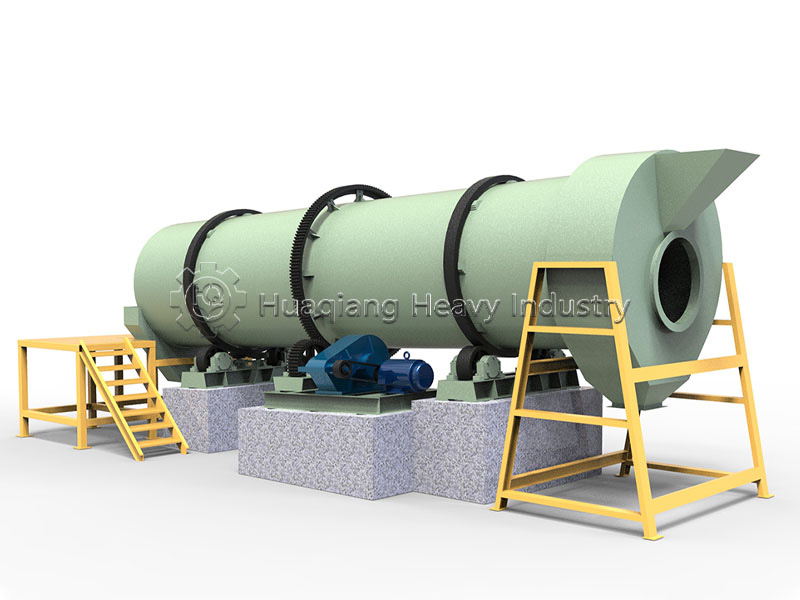
In the production of organic fertilizers, equipment wear and tear is a critical issue affecting production efficiency and increasing operating costs. Factors such as the corrosiveness of raw materials, friction and impact from materials, and improper operation can all accelerate the wear and tear of organic fertilizer machine and related equipment. Therefore, taking scientific and effective measures to reduce wear and tear is crucial for ensuring stable production and improving economic benefits.
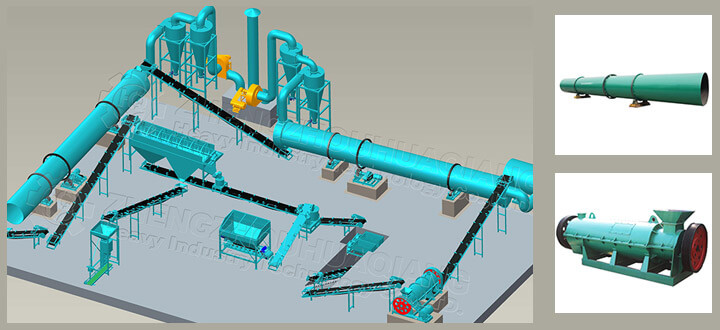
Proper material pretreatment is fundamental. Organic fertilizer raw materials have complex compositions and often contain impurities such as stones and metals. These hard impurities can cause severe impact and wear on equipment such as crushers and mixers. Before production, pretreatment steps such as screening and magnetic separation should be added to thoroughly remove impurities; at the same time, excessively dry and hard raw materials should be appropriately moistened or crushed to reduce the friction coefficient of the materials on the equipment, thus reducing the causes of wear and tear from the source.
Standardized operating procedures are key. Operators must strictly follow the equipment manual to avoid overloading – prolonged overloading of equipment can lead to excessive stress on components, exacerbating wear and tear and even causing malfunctions. In addition, the material feeding speed should be controlled to be uniform and stable to prevent material accumulation causing excessive local friction; a comprehensive inspection should be performed before starting the machine to ensure that the lubrication and cooling systems are functioning properly, avoiding dry friction.
Strengthening daily maintenance is essential. Regularly clean, tighten, and lubricate the equipment, and promptly replace severely worn parts such as liners, blades, and bearings. Select appropriate lubricants, and replenish or replace them periodically to form an effective oil film and reduce friction and wear between components; at the same time, regularly check the equipment's sealing to prevent corrosive components in the organic fertilizer raw materials from penetrating into the interior of the components, causing corrosion and wear.
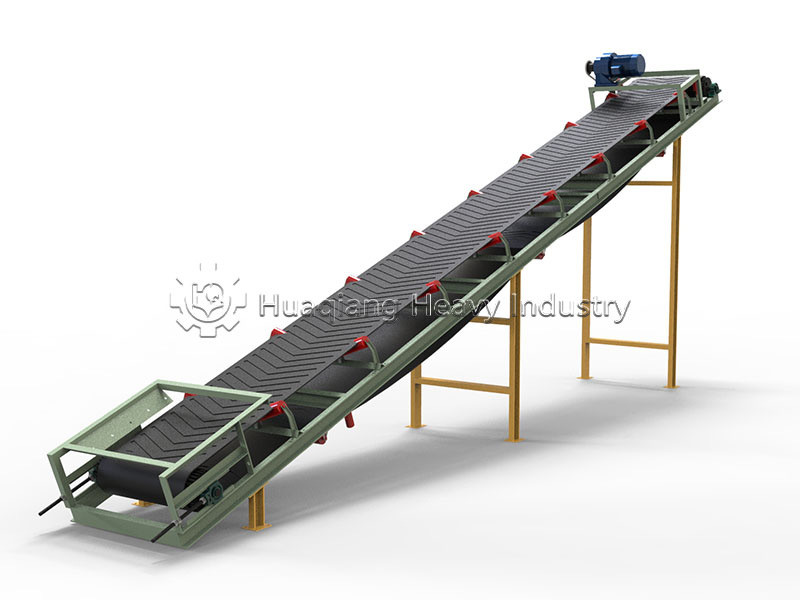
Rational selection and upgrading are also crucial. Select equipment with excellent wear resistance based on the characteristics of the raw materials, prioritizing models where key components such as liners and blades are made of high-strength wear-resistant materials; carry out targeted modifications to older equipment, such as adding wear-resistant bushings and optimizing material conveying paths, to improve the equipment's wear resistance.
In summary, reducing wear and tear on organic fertilizer production equipment requires a comprehensive approach encompassing "source control—standardized operation—daily maintenance—upgrading and modification." Through scientific management and technological optimization, the service life of the equipment can be effectively extended, ensuring efficient and stable production.


.jpg)