Compared to powdered fertilizers, granular organic fertilizers are easier to store and transport, allow for more uniform application, and enjoy stable market demand. The configuration of a production line should not involve a haphazard accumulation of equipment; rather, it requires integrated planning based on raw material types, designed production capacity, site conditions, and finished product standards. This planning should cover four key stages: fermentation and pre-treatment, batching and granulation, post-processing, and final packaging. Huaqiang Heavy Industry offers complete solutions tailored to various production scales.
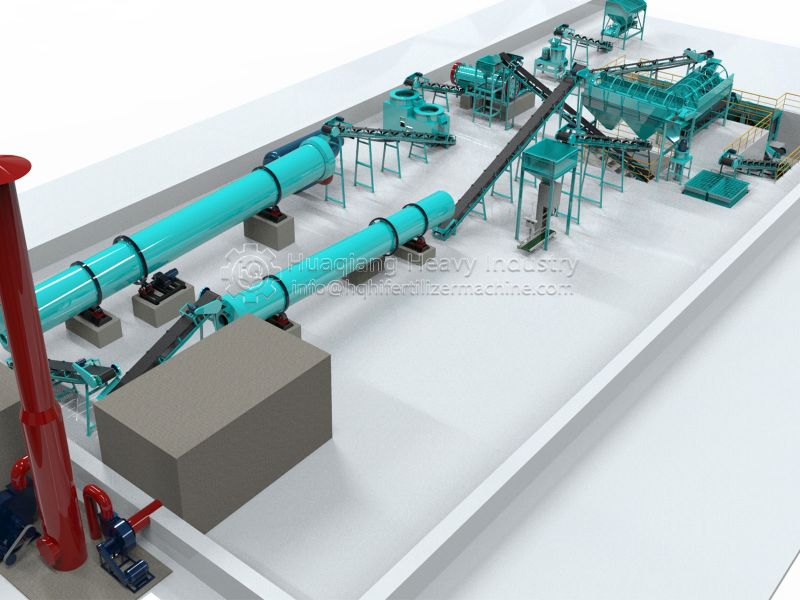
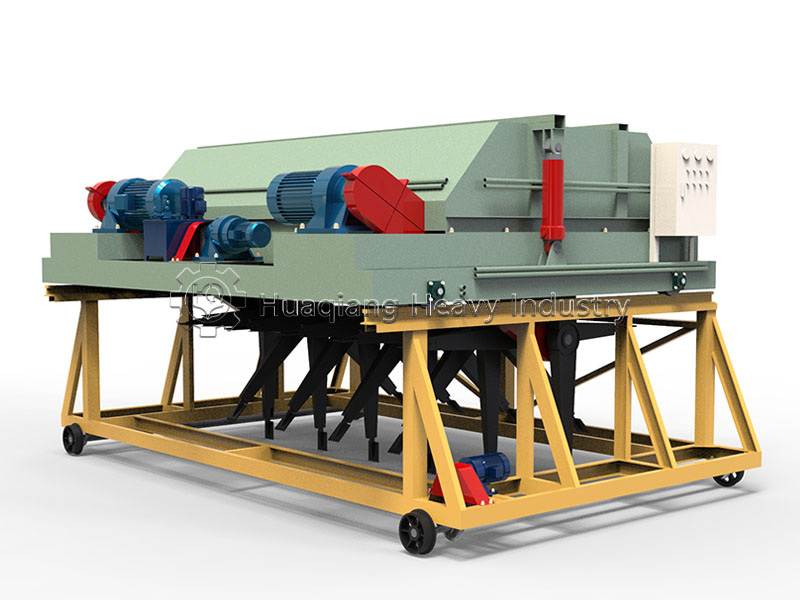
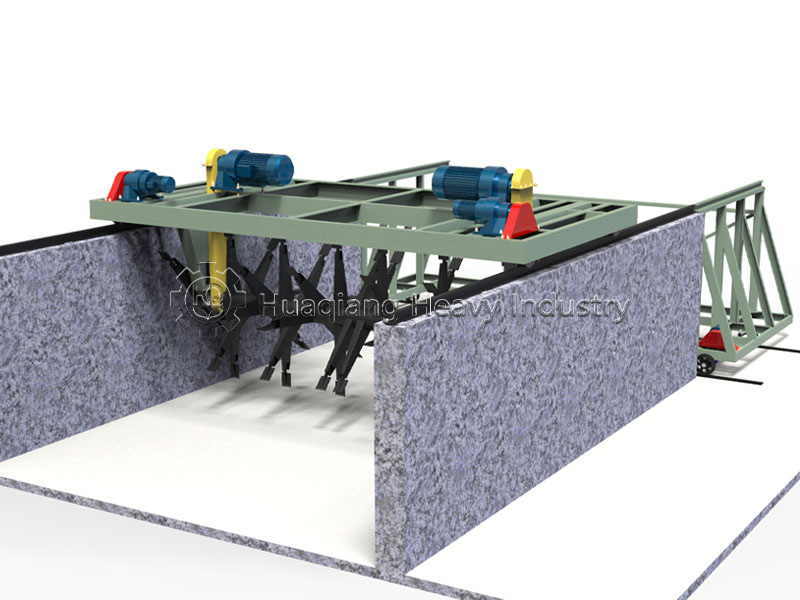
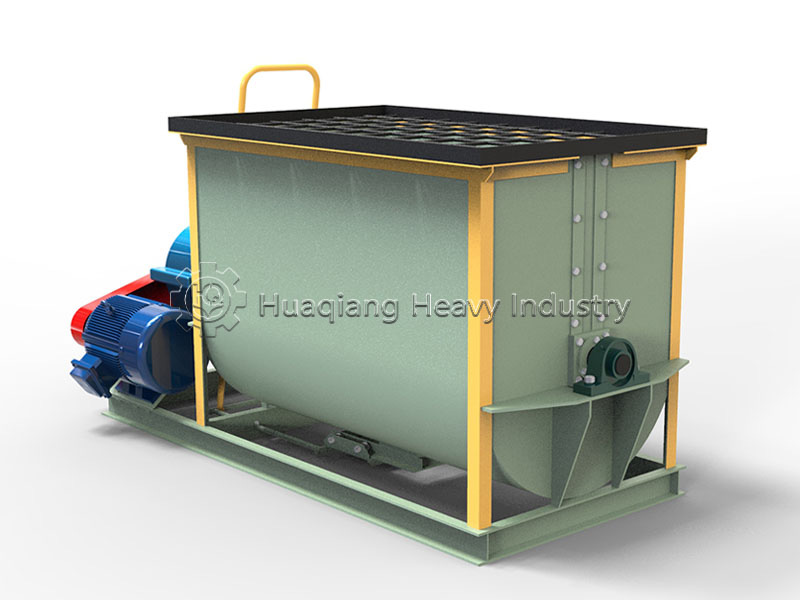
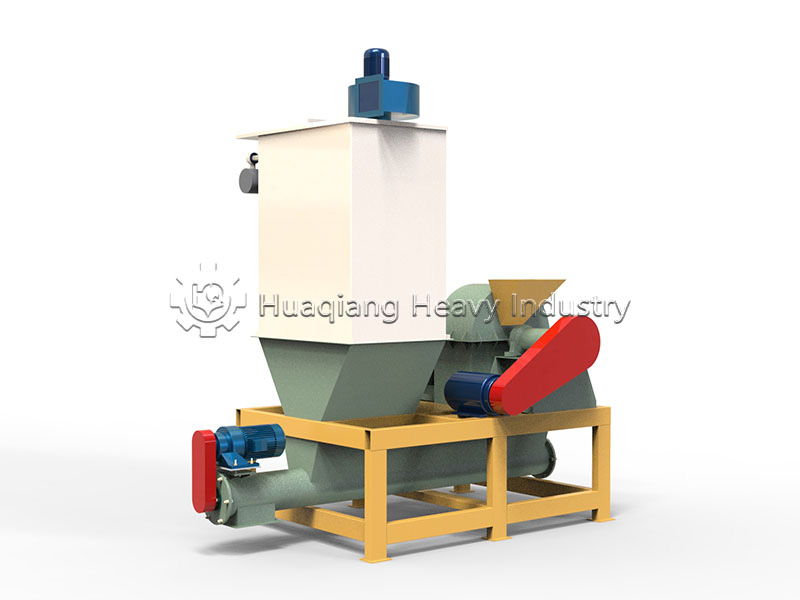
Typically utilizing raw materials such as livestock and poultry manure, crop straw, and fungal residue, the process begins with a fermentation and decomposition system. For small-scale operations, windrow composting combined with trough-type turners is a suitable choice, while medium-to-large-scale projects often prioritize crawler-type compost turners to ensure thorough aerobic fermentation, eliminate pathogens and insect eggs, and reduce odors. Once decomposed, the material is fed into a crusher to break down clumps and long fibers, ensuring a uniform particle size—a crucial step for effective granulation. A mixer is then used to incorporate additives such as humic acid, microbial agents, or soil conditioners, allowing for the adjustment of the carbon-to-nitrogen (C/N) ratio and moisture content.
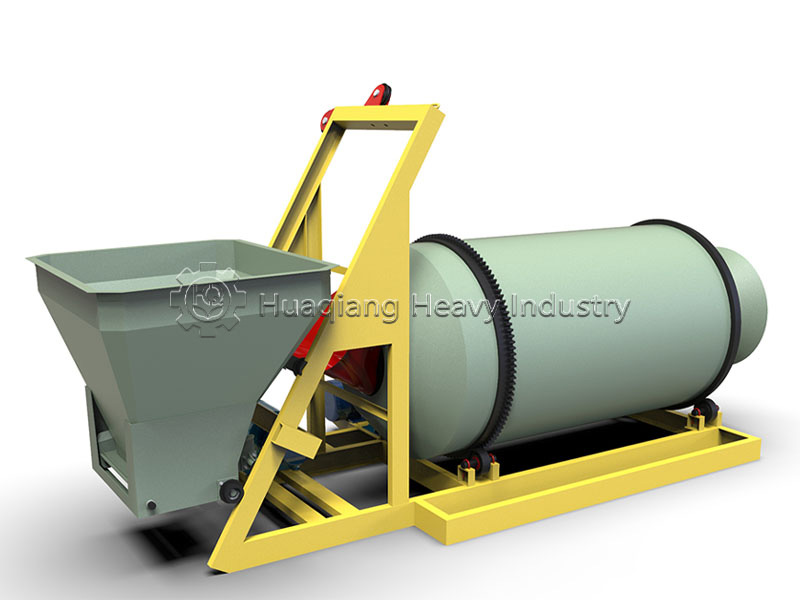
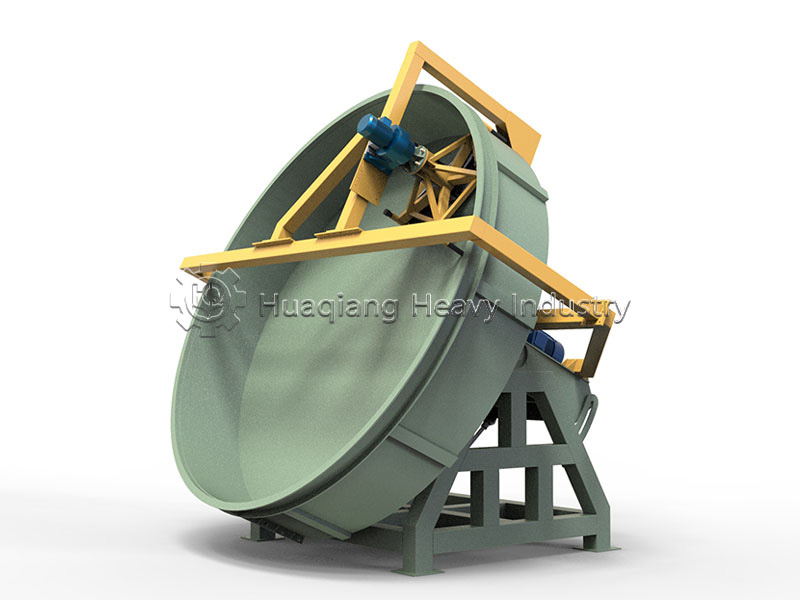
Granulation is the core of the entire production line. Small-scale projects often employ disc granulators, which are simple to operate and produce well-rounded granules. For medium-to-large-scale continuous production, new type organic fertilizer granulators are preferred due to their high throughput and stable operation. Alternatively, flat-die pellet machines can be used for drier materials where low energy consumption is a priority. Equipment selection should focus on material viscosity, target particle size, and granulation yield; an improper choice can lead to excessive recycled material, thereby driving up production costs.
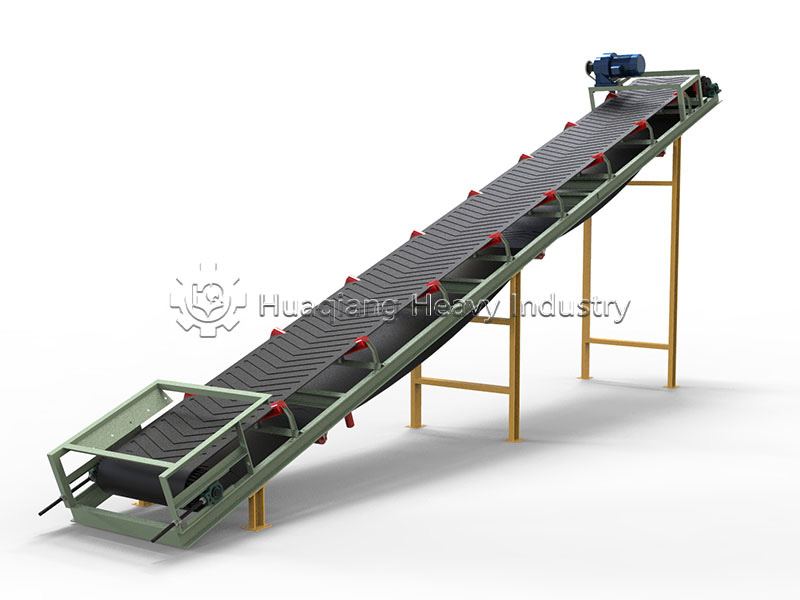
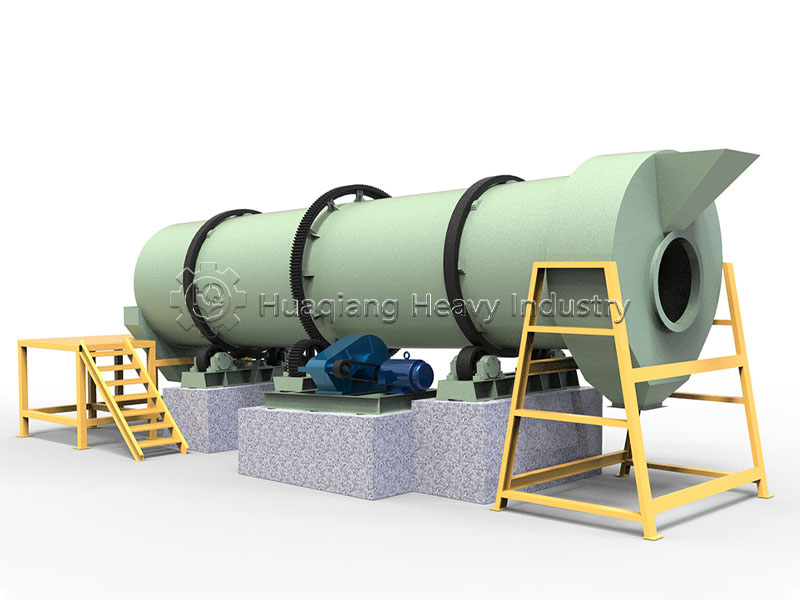
Freshly formed, moist granules have a high moisture content and require drying and cooling. A drum dryer provides gentle, temperature-controlled dehydration, followed by a cooler that rapidly lowers the temperature, enhancing granule strength and preventing clumping. The granules then pass through a rotary screen for classification; those that meet specifications proceed to the next stage, while oversized or undersized particles are returned to the crushing stage for reprocessing. If desired, a coating machine can be added to apply a protective layer to the granule surface, which helps to slow down the release of nutrients. Finally, an automatic quantitative packaging machine should be integrated to handle weighing, bag sealing, and palletizing. The entire production line should also be equipped with auxiliary systems—such as conveyors, dust removal, and deodorization equipment—to improve the workshop environment. When configuring the line, the desired level of automation must be considered: smaller-scale operations may opt for semi-automated setups to control investment costs, while larger-scale projects should utilize centralized electrical control systems to minimize manual labor.
In summary, an effective configuration for a granular organic fertilizer production line centers on aligning the equipment with the specific production process. It must balance stable output capacity, product quality, and operating costs, while ensuring compliance with environmental emission standards—ultimately enabling the consistent production of granular organic fertilizer that meets all required specifications.