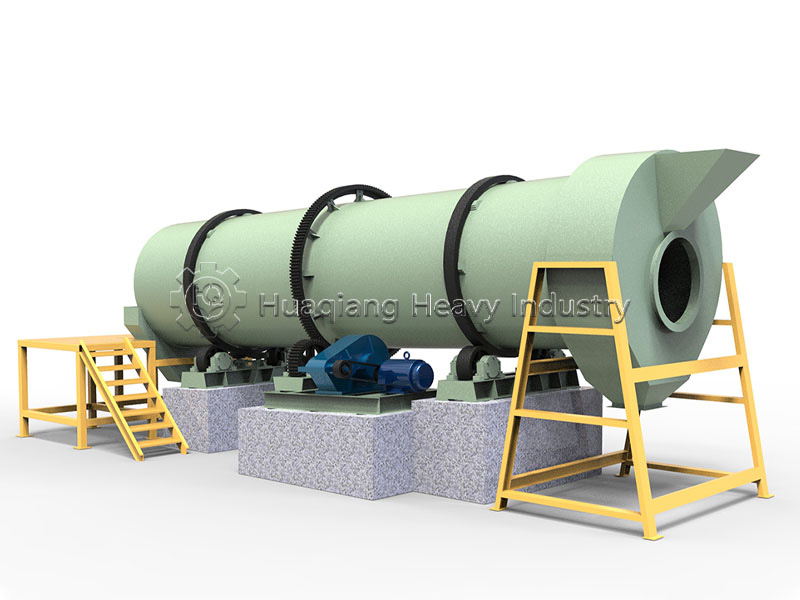
Organic fertilizer production equipment is central to the resource utilization of organic waste such as manure and crop stalks; the choice of equipment directly determines production efficiency, fertilizer quality, and operating costs. Many operators encounter issues—such as mismatched production capacity, frequent clogging, excessive energy consumption, and substandard finished products—due to poor equipment selection. To select the right equipment, one must comprehensively consider raw materials, production capacity, processing techniques, and equipment quality while avoiding common procurement pitfalls.
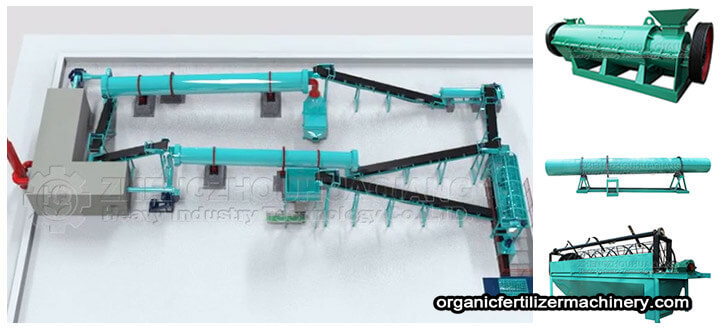
The primary principle is to select equipment based on the characteristics of the raw materials; this is the foundation of equipment compatibility. Raw materials vary significantly in moisture content, fiber content, and impurity levels, requiring different types of equipment. Livestock manure, which has high moisture content, requires solid-liquid separators and anti-clogging crushers designed for semi-wet materials to prevent sticking and jamming. Fibrous materials like stalks and twigs require high-power crushers to thoroughly break down coarse fibers. If raw materials contain impurities such as sand, stones, or plastic, drum screening equipment should be installed to remove debris, thereby protecting downstream machinery and ensuring smooth production from the source.
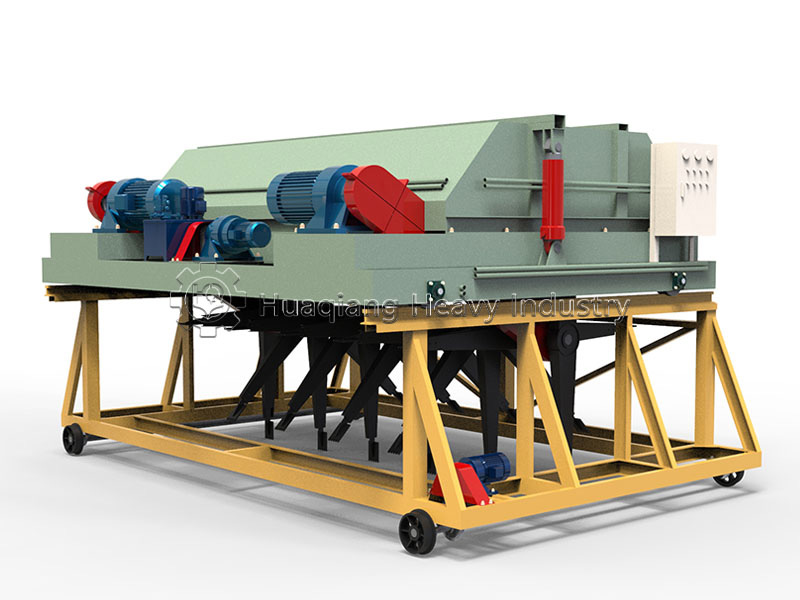
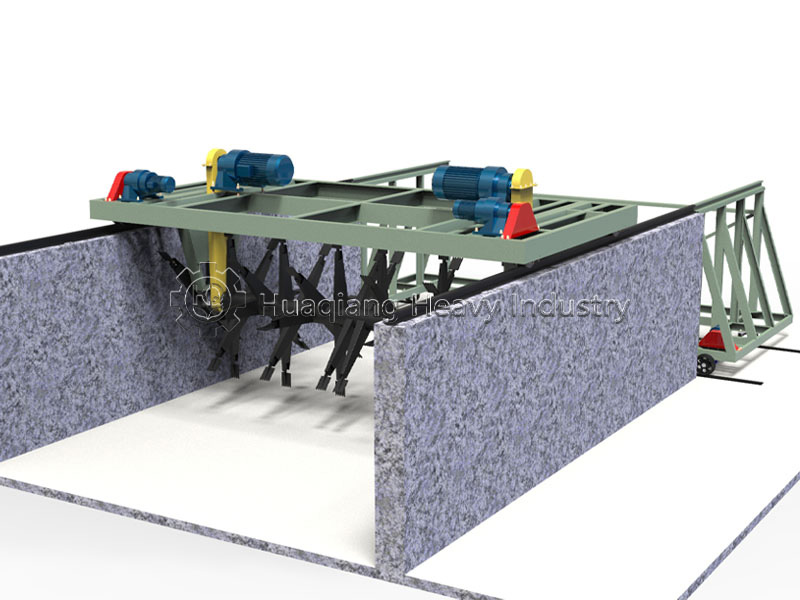
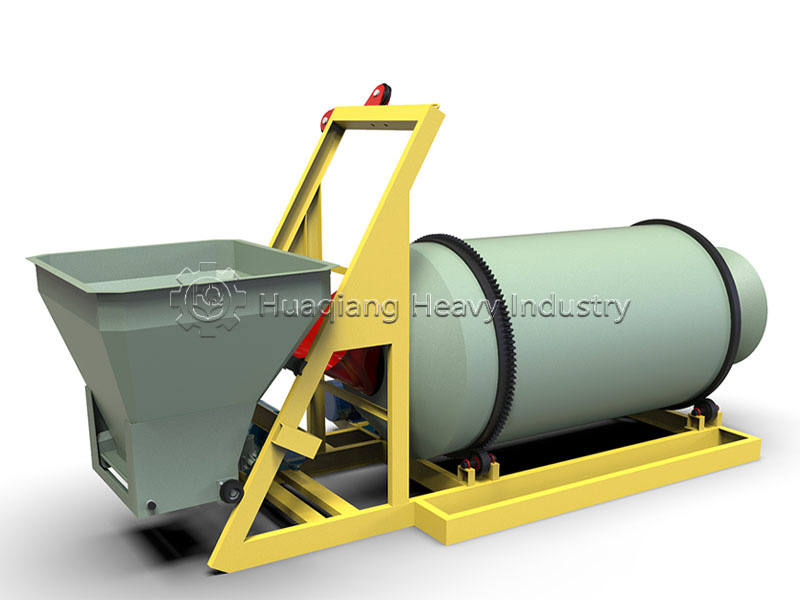
Secondly, the equipment must match your production capacity and scale, with configurations customized to specific needs. Small family farms and startup workshops are best suited for lightweight, modular, and simple production lines; these offer low investment costs, a small footprint, and ease of operation, meeting the needs of daily, small-batch production. Large-scale fertilizer enterprises and livestock operations require complete equipment sets—such as trough-type compost turners, continuous granulators, and fully automatic packaging machines—to meet mass production demands (often in the range of tens of thousands of tons). Priority should be given to models with adjustable capacity to accommodate future production scaling.
Finally, strict attention must be paid to equipment quality and energy efficiency. Since organic fertilizer production materials are often corrosive, core equipment should be made of wear-resistant, corrosion-resistant stainless steel to ensure a longer service life. Particular focus should be placed on high-energy-consumption stages like fermentation and drying; prioritizing energy-efficient models helps reduce long-term operating costs. Furthermore, equipment intelligence and stability are crucial; it is advisable to select equipment that supports remote monitoring and has undergone rigorous, long-term continuous production testing to minimize the risk of downtime due to malfunctions.
Finally, it's crucial to assess the manufacturer's capabilities and after-sales support. Prioritize fertilizer machinery manufacturers with mature technologies and a wealth of successful case studies, and verify whether the equipment's process solutions and production parameters align with your specific needs. Also, consider the speed of after-sales response; comprehensive installation, commissioning, and maintenance services can effectively resolve operational issues and ensure the long-term, stable operation of the production line.
In summary, when selecting organic fertilizer equipment, there is no need to blindly pursue high-end models. By basing your choice on raw materials, matching capacity to requirements, and balancing quality with after-sales support, you can select highly practical and cost-effective equipment to achieve efficient, low-cost mass production.


.jpg)