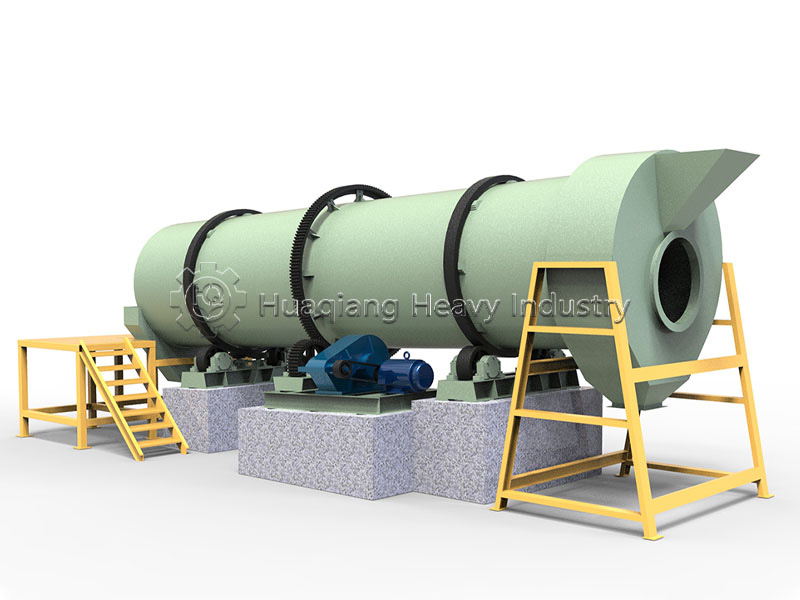
Answer: Many newcomers to the organic fertilizer industry encounter issues—such as low output, failure to form granules, frequent equipment breakdowns, and non-compliance with environmental standards—after commencing operations. These problems often stem from mistakes made during the initial equipment selection phase. When purchasing a production line, one must avoid blindly following trends or focusing solely on low prices; the following common pitfalls should be strictly avoided.
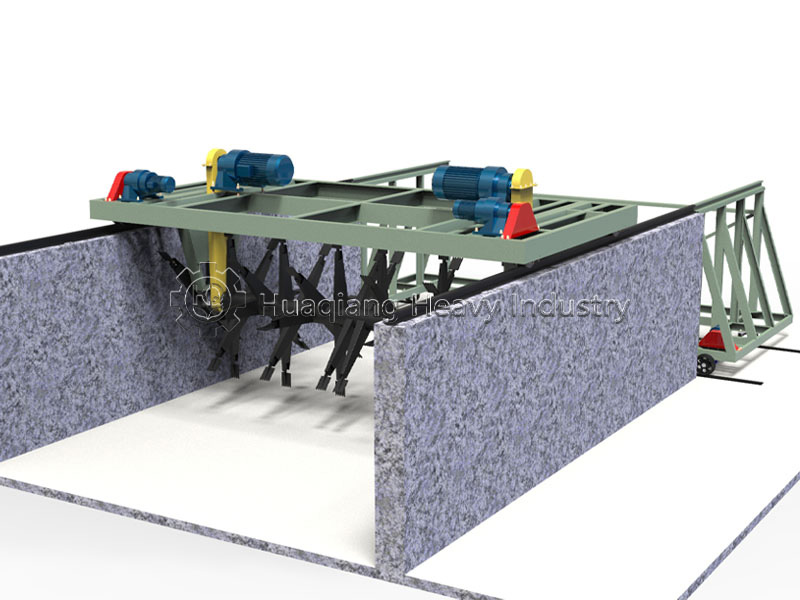
First, prioritizing price over equipment suitability. Many investors opt for low-cost equipment without considering the specific characteristics of their raw materials. Materials such as chicken, pig, and cattle manure, as well as crop stalks, vary in moisture content and hardness, requiring completely different types of crushers and granulators. Using a standard crusher for high-moisture materials easily leads to clogging and screen fouling; furthermore, cheap, non-standard equipment often features shoddy workmanship, resulting in exorbitant maintenance costs later on—making the initial savings counterproductive.
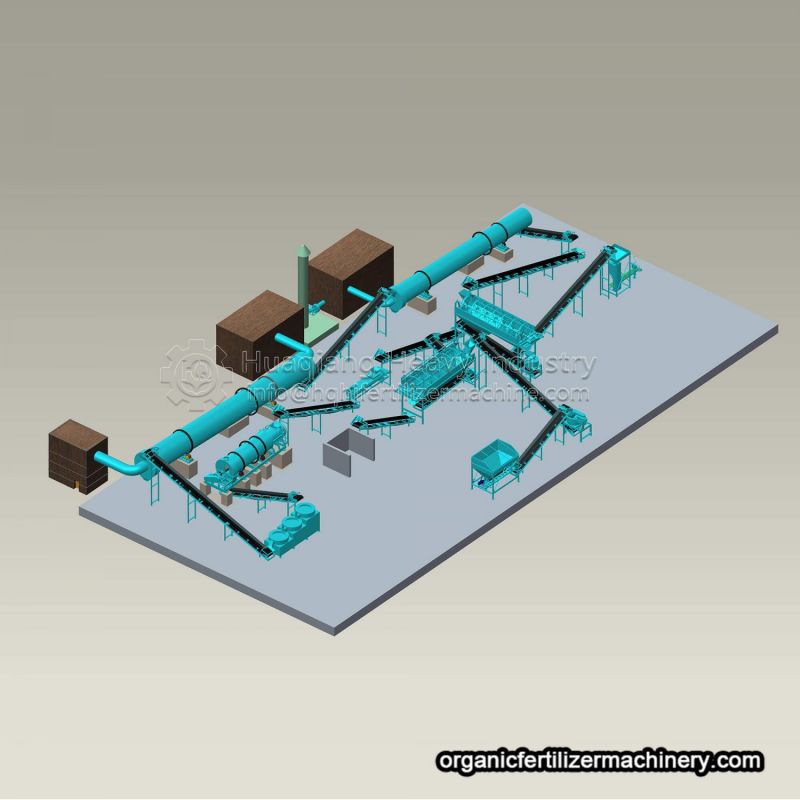
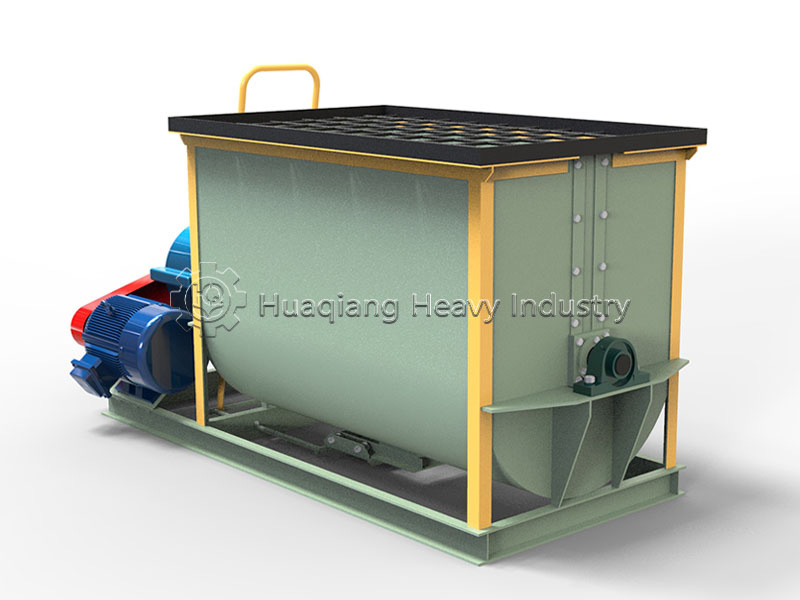
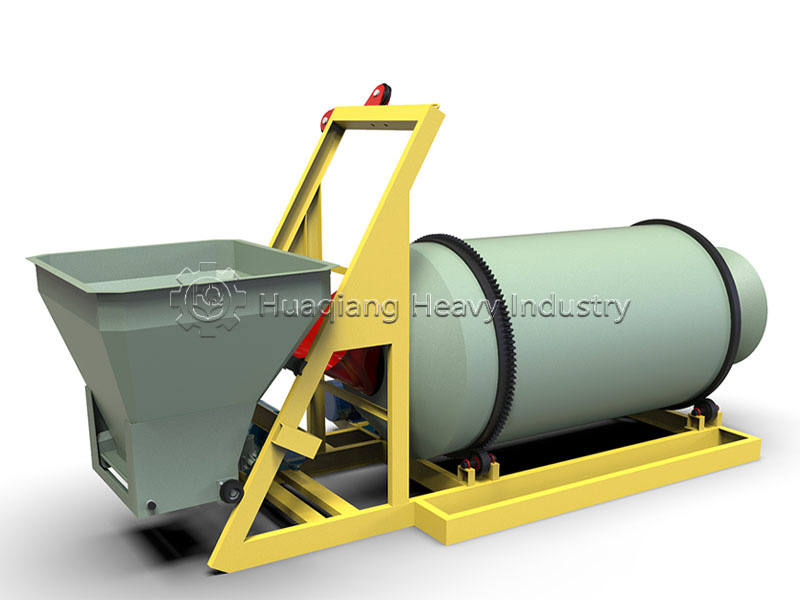
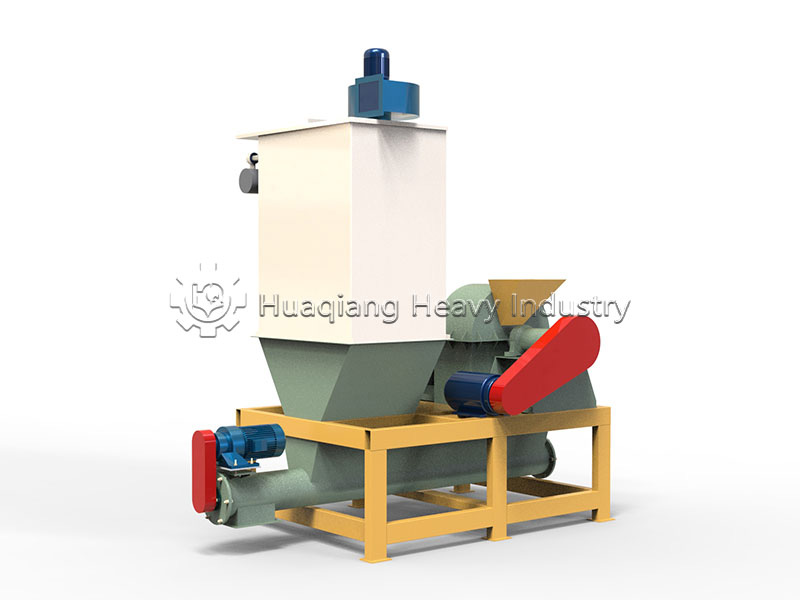
Second, skimping on equipment configuration and omitting essential process steps. Many vendors sell simplified production lines that lack auxiliary equipment such as solid-liquid separators, screening systems, and dust collectors. Customers who purchase only granulation and mixing equipment—without proper dewatering or thorough composting of raw materials—often face issues like poor granule formation, fertilizer caking, and pungent odors. These problems result in a poor-quality finished product that fails to meet industry testing standards, thereby hindering sales.
Third, blindly overestimating output and selecting inappropriate equipment sizes. Some manufacturers exaggerate production capacities, while users often blindly choose large-scale equipment without considering factory space, labor availability, or raw material supply capacity. Installing high-capacity equipment in a small facility leads to wasted idle machinery, cramped layouts, and operational difficulties; conversely, selecting equipment that is too small fails to meet production needs and limits capacity expansion.
Fourth, overlooking environmental compliance and after-sales support. Environmental regulations for organic fertilizer production are currently strict; production lines lacking dust and odor control systems are highly likely to face mandatory rectification orders. Additionally, many small manufacturers offer no after-sales guarantees, leaving users without repair services or technical guidance when breakdowns occur, which can lead to prolonged production shutdowns. When purchasing, prioritize matching the equipment to your raw materials and selecting the right model for your specific needs; choose a reputable manufacturer of organic fertilizer equipment that offers complete production lines and comprehensive after-sales service to ensure stable, profitable operations.



.jpg)