Answer:Granular organic fertilizer production lines focus on producing uniform, easy-to-store, and convenient-to-transport granules, making them the mainstream choice for new organic fertilizer plants. The production line is equipped with machinery covering the entire process—from raw material handling and fermentation/composting to powder processing, granulation, and finished product handling—and is adaptable to plant scales ranging from small to large. The core equipment configuration is as follows:
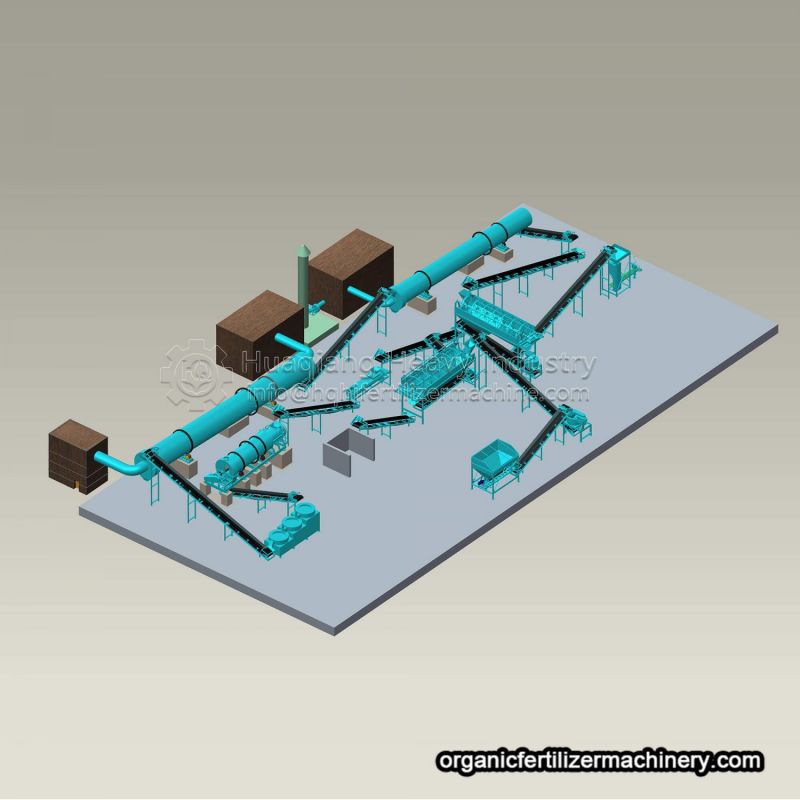
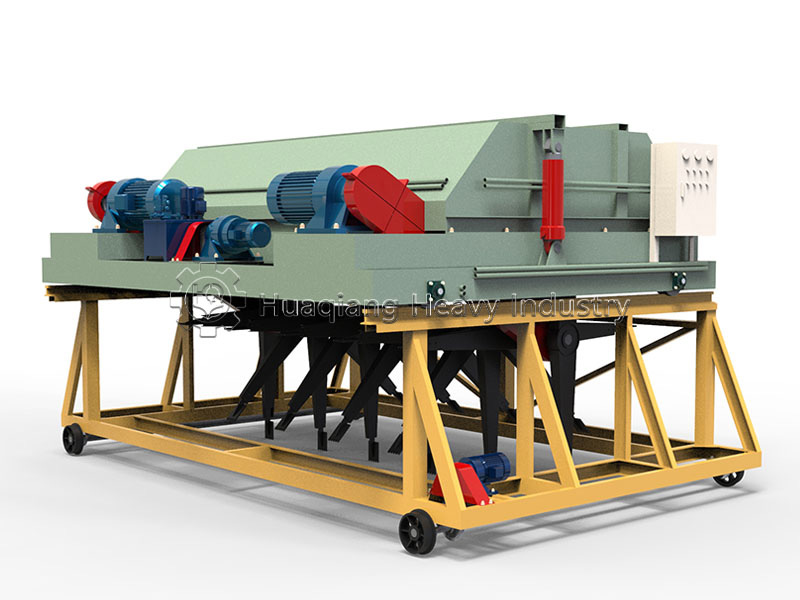
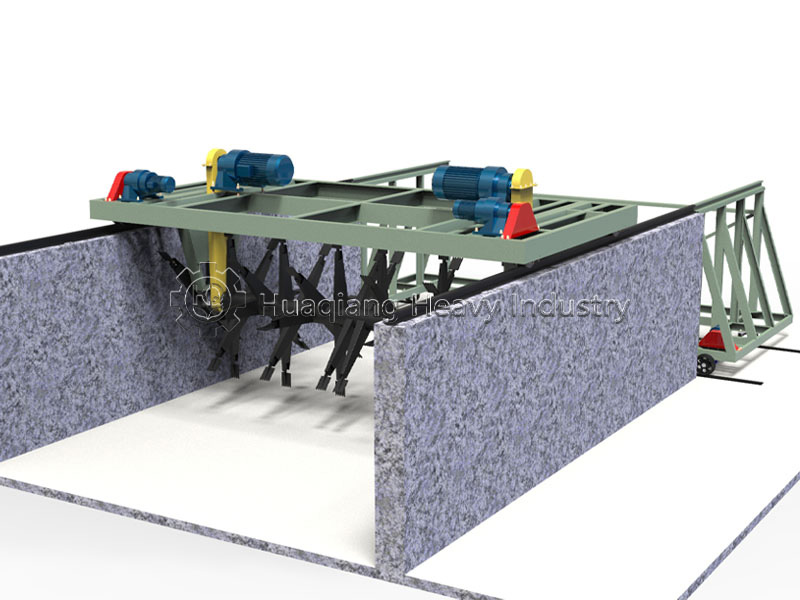
The first stage involves raw material pre-treatment and fermentation equipment, which forms the foundation of granular fertilizer production. Core equipment includes solid-liquid separators, trough-type compost turners, and automatic batching bins. Fresh livestock manure is dewatered using a solid-liquid separator to meet fermentation standards; the compost turner continuously turns the material to supply oxygen, facilitating decomposition, deodorization, and harmless treatment; and the multi-bin batching system automatically proportions materials such as manure, straw, and microbial agents to ensure stable and balanced nutrient content in the granules.
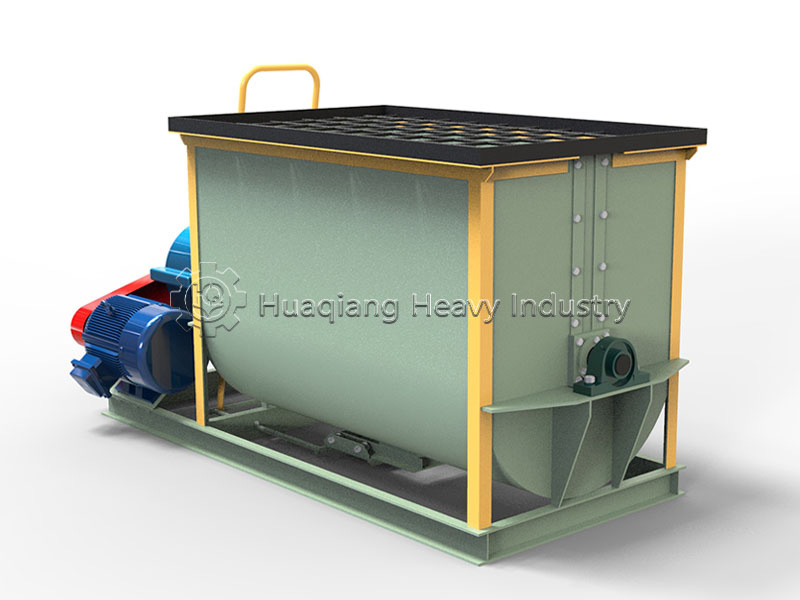
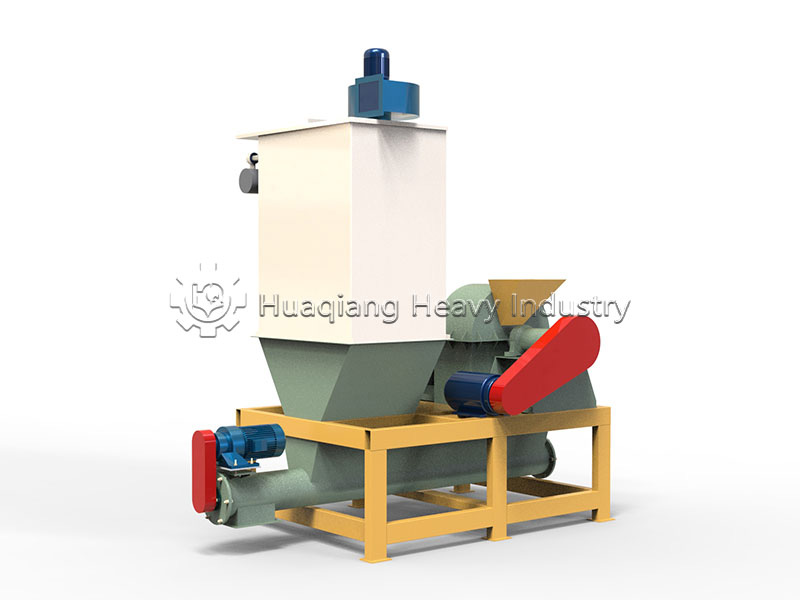
The second stage involves powder refining equipment, which directly impacts the granulation outcome. Key equipment includes semi-wet material crushers and twin-shaft horizontal mixers. The crusher breaks down composted clumps and straw residues, refining particle size to prevent large impurities from interfering with granulation; the mixer thoroughly blends the base materials, functional microbial agents, and additives, ensuring uniform moisture and composition to lay the groundwork for efficient granulation.
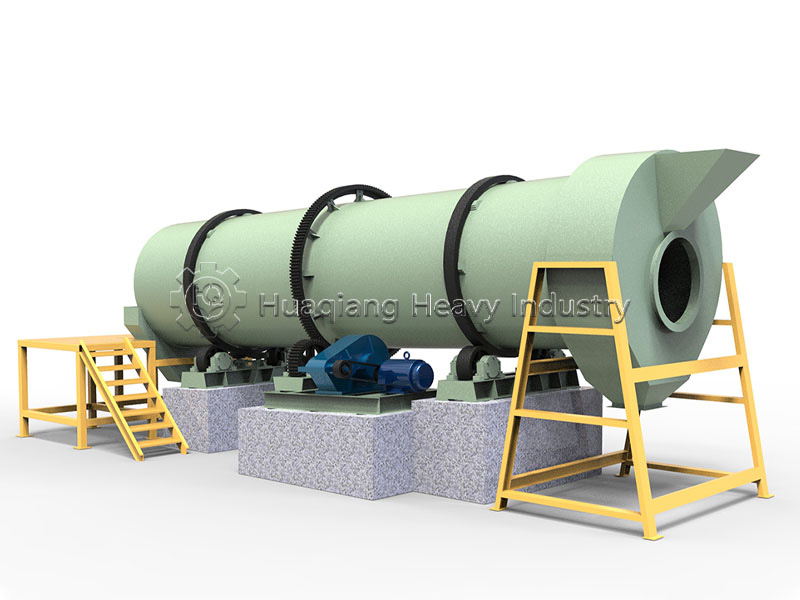
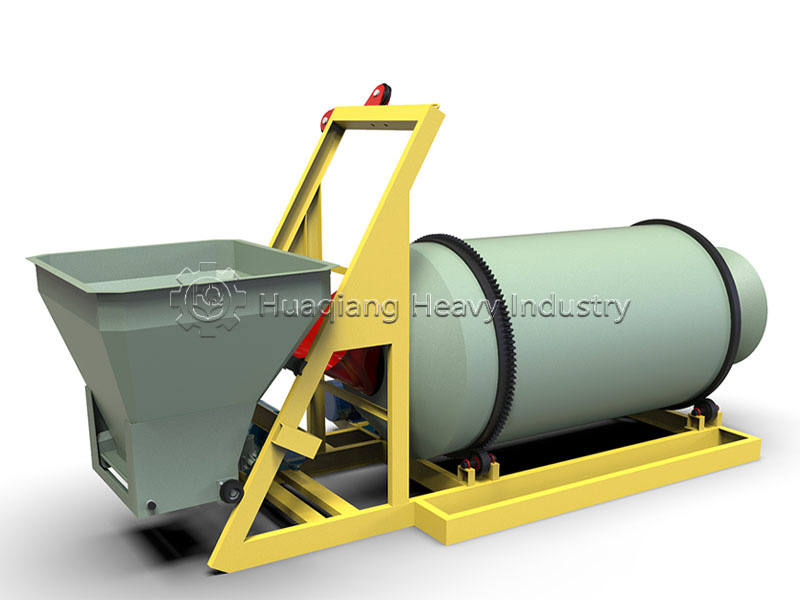
The third stage involves granulation and finished product handling equipment, representing the very core of the production line. The primary equipment is a specialized organic fertilizer granulator—commonly a disc granulator or double-die granulator—which rolls the uniform powder into smooth, consistent granules. This is followed by a rotary dryer and cooler to rapidly reduce moisture and temperature, setting the granule shape and preventing clumping or mold growth. A rotary screening machine then separates qualified granules from substandard powder, and finally, an automatic packaging machine performs quantitative sealing and bagging for storage. Small-scale pellet production lines allow for streamlined auxiliary equipment, thereby reducing investment costs; large-scale lines can be equipped with environmental protection systems—such as dust and odor removal units—and intelligent control systems to achieve dust-free, eco-friendly, and automated production, effectively enhancing the quality of the finished organic fertilizer pellets and boosting production efficiency.



.jpg)