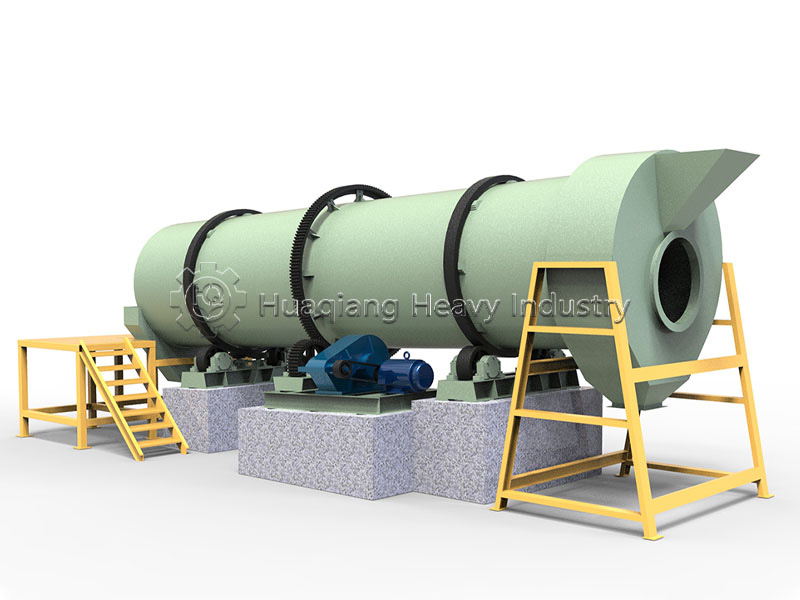
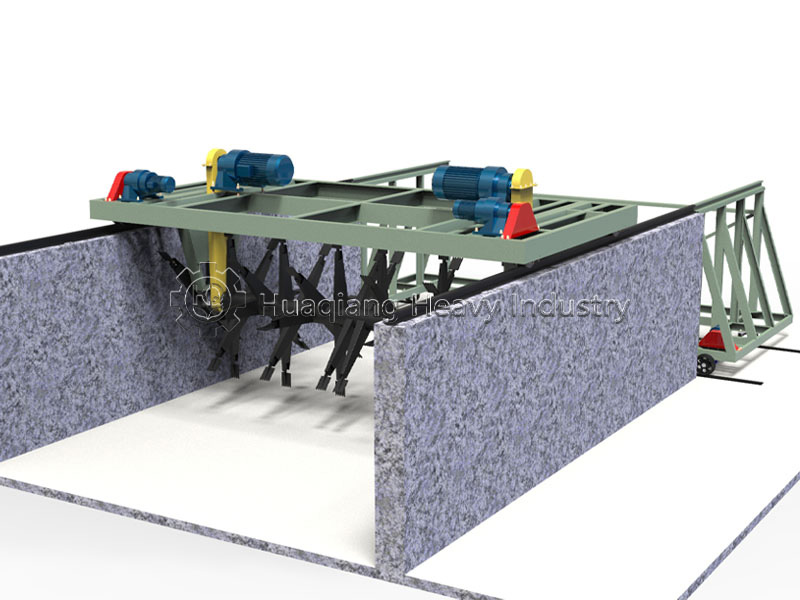
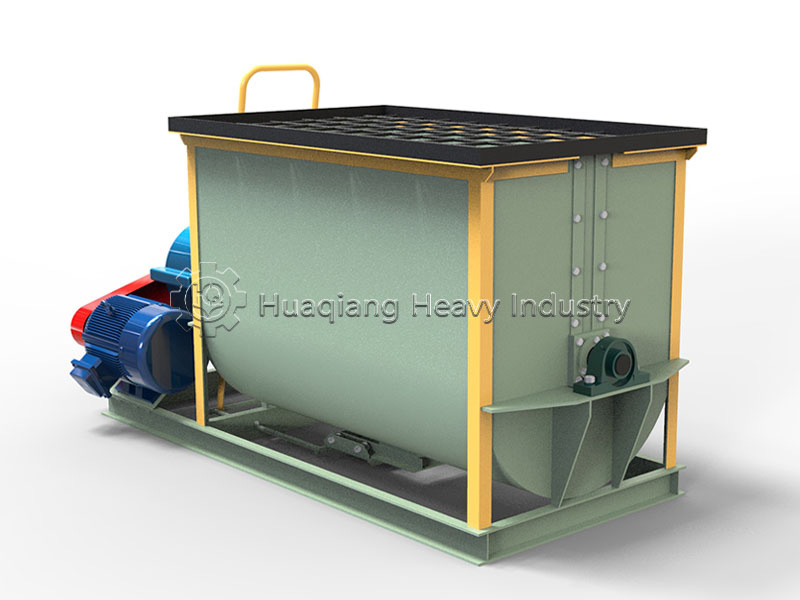
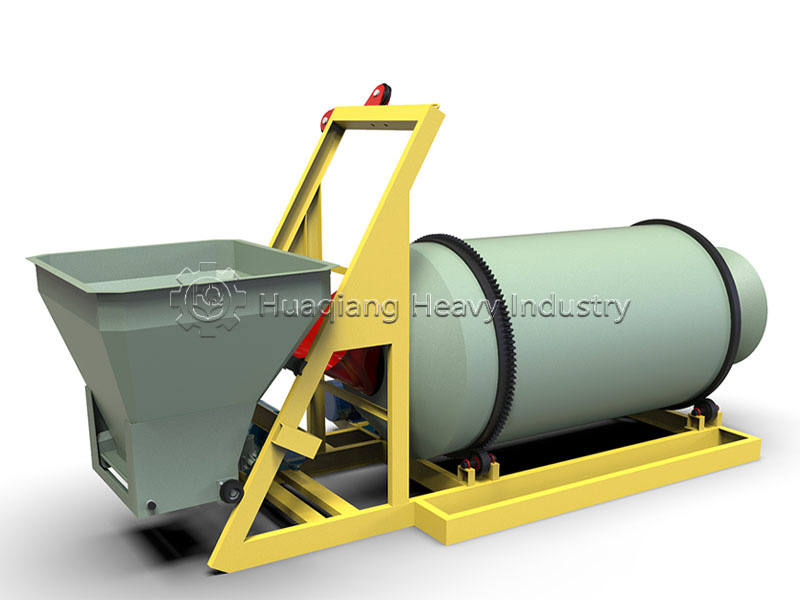
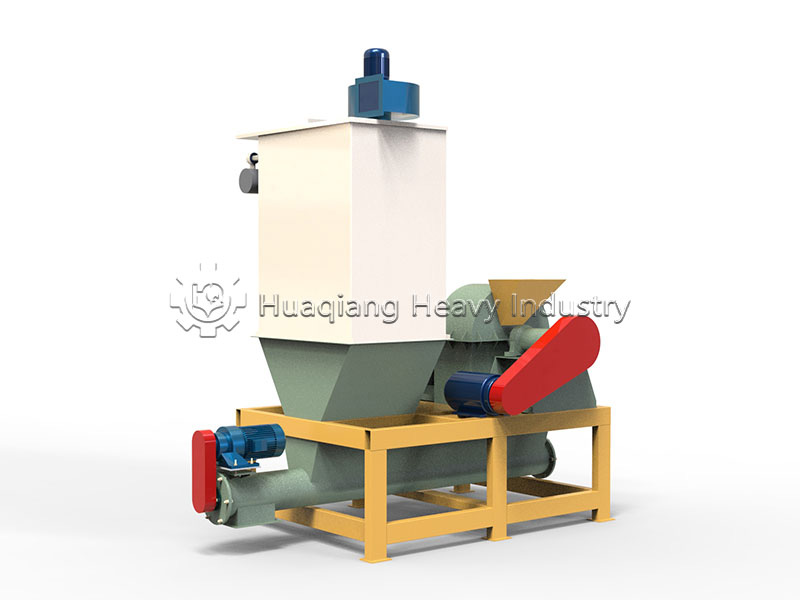
Answer: The site size for an organic fertilizer production line depends primarily on production capacity and the type of process (powder vs. granular). The facility generally comprises four core areas: the fermentation zone, production zone, raw material storage area, and finished product warehouse. Powder production lines require less space, whereas granular lines—which involve more auxiliary equipment and require drying and cooling stages—have larger spatial requirements.
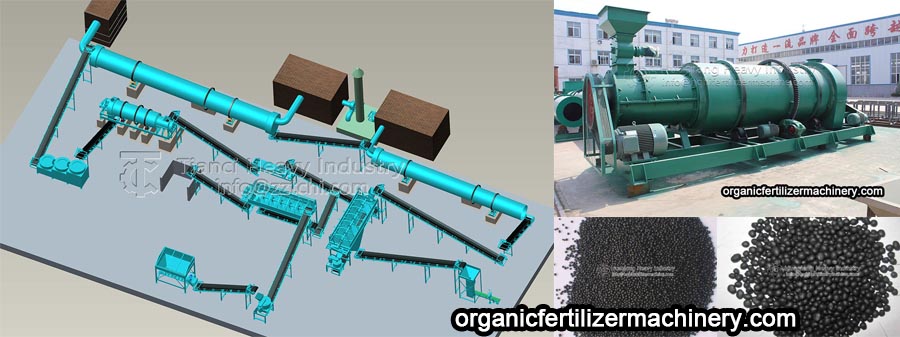
For small-scale household or individual producer lines with an annual output of 10,000–20,000 tons of powdered organic fertilizer, a site of only 800–1,200 square meters is sufficient. This scale involves simple equipment and fewer processing steps, requiring only a basic fermentation shed, a raw material storage area, and a small finished product warehouse; it is suitable for small rural processing plants or on-site conversions at livestock farms, as production can take place in a shed erected on a standard open lot.
For small-to-medium standardized production lines with an annual output of 30,000–50,000 tons, the space requirement is 1,500–2,000 square meters for powder lines and 2,000–3,000 square meters for granular lines. This scale necessitates organized fermentation and turning workshops, equipment production workshops, and independent storage areas to support continuous production; it is currently the mainstream specification for plant construction.
For large-scale production lines with an annual output exceeding 100,000 tons, a site of 5,000–8,000 square meters is required. Granular lines need space for drying, cooling, and coating equipment, as well as larger areas for raw material stockpiling and finished product turnover; auxiliary facilities for environmental dust control and office operations are also needed to support large-scale batch production. It is generally recommended to reserve an additional 10% of space to facilitate future equipment upgrades and capacity expansion.



.jpg)