Answer: The core differences lie in equipment configuration, production processes, product characteristics, and application scenarios. There are significant disparities in initial investment and barriers to entry, making the choice between them a key decision factor when setting up an organic fertilizer plant.
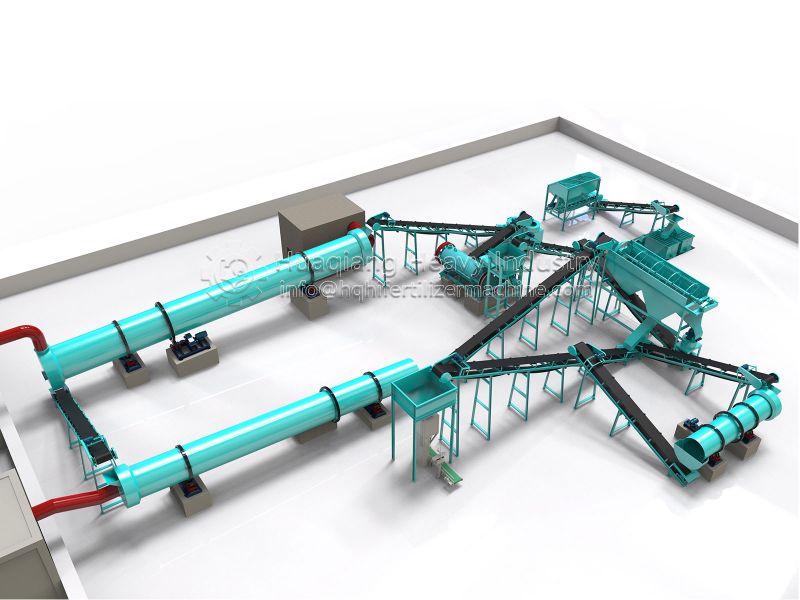
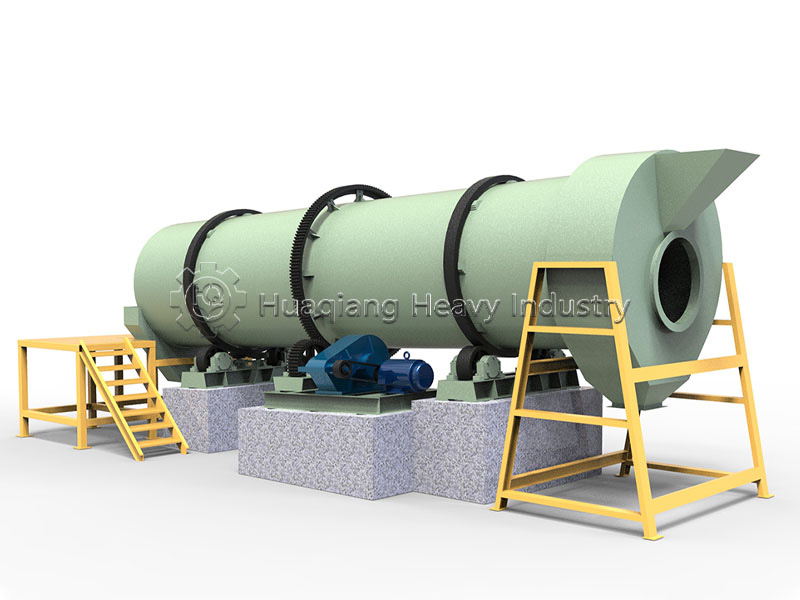
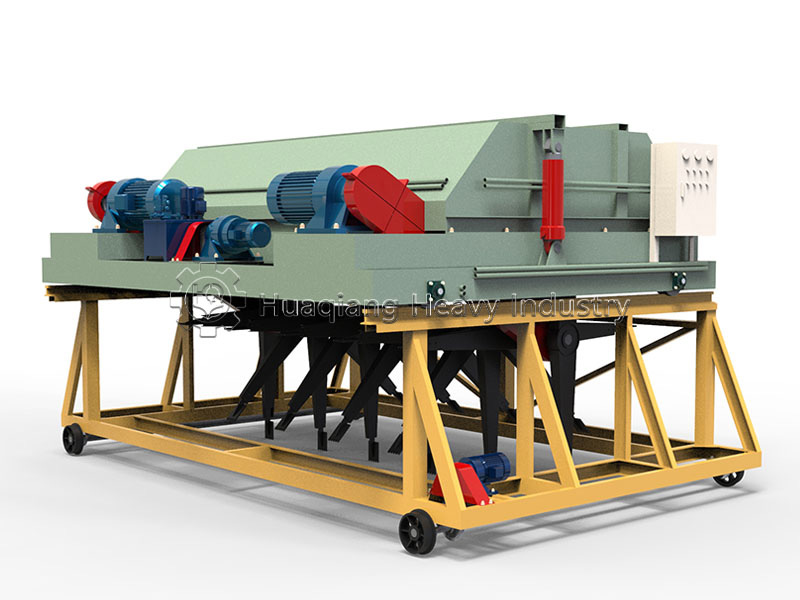
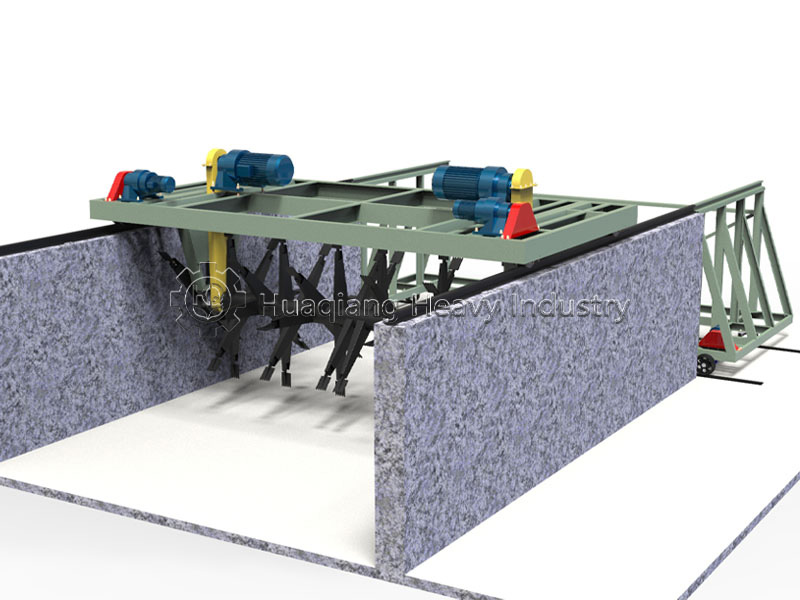
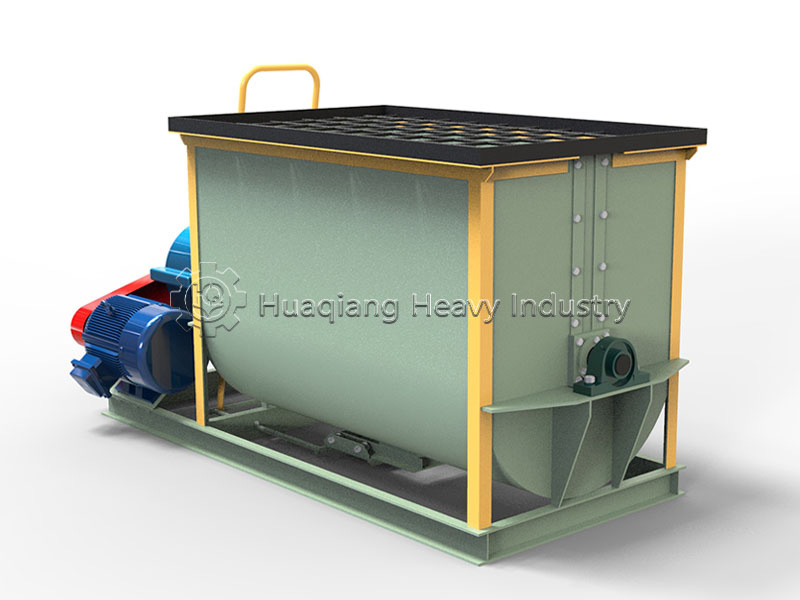
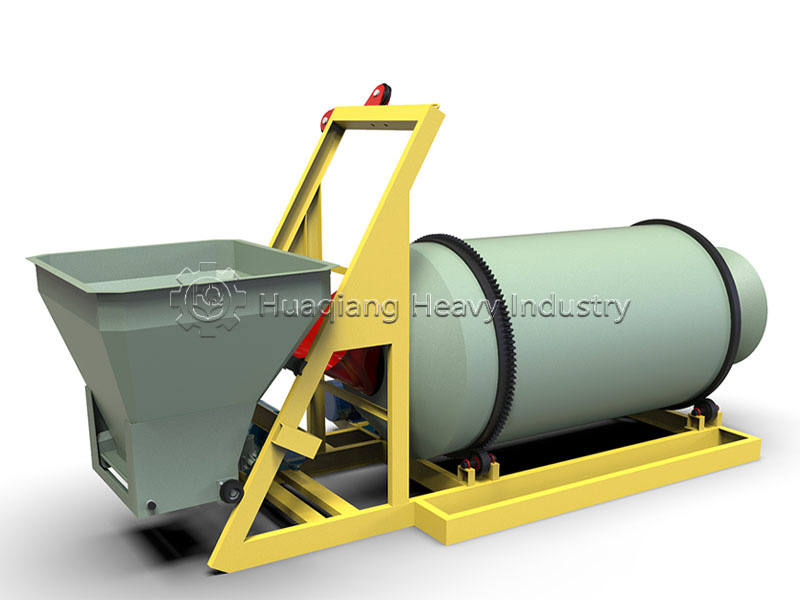
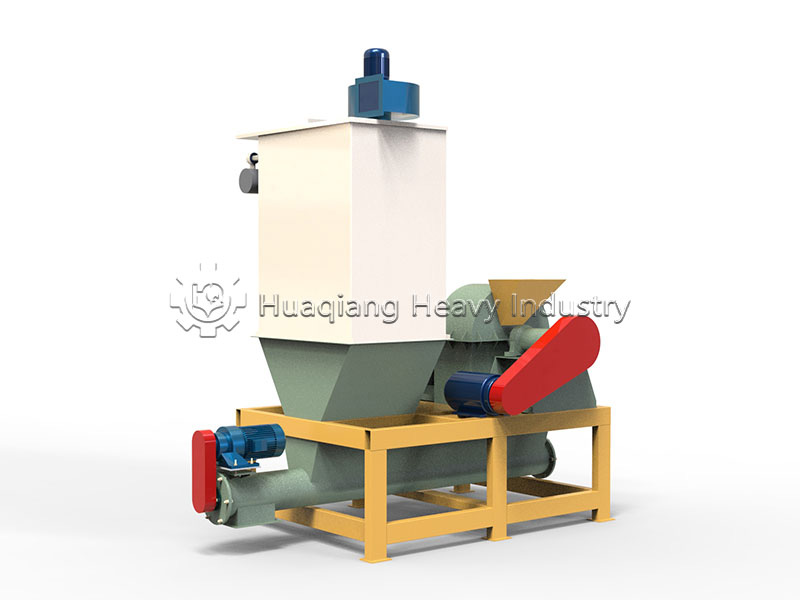
First, there are differences in equipment and processes. Powdered organic fertilizer production lines feature simple processes and minimal equipment—primarily compost turners, crushers, screeners, and mixers—without the need for granulation, drying, or cooling stages. Raw materials become finished products after fermentation, crushing, and screening; these lines require little space, are easy to operate, and have very low failure rates. In contrast, granular organic fertilizer production lines build upon the powdered process by adding equipment such as granulators, dryers, coolers, and coating machines. The process is more complex, involving granulation, drying/dehydration, cooling/polishing, and anti-caking coating.
Second, there are differences in costs and production efficiency. Powdered lines require lower investment, offer a quick return on investment, and entail lower energy and labor costs, making them suitable for small-scale individual producers or rural processing workshops. Granular lines involve more equipment and higher investment but offer greater automation and production capacity, making them ideal for large-scale, standardized organic fertilizer plants.
Finally, there are differences regarding the finished product and marketability. Powdered organic fertilizer has a loose texture, is prone to moisture absorption and caking, and is susceptible to nutrient loss; it is primarily used as a base fertilizer or for soil improvement. Granular organic fertilizer features uniform shape, low moisture content, and good storage stability; it produces no dust, releases nutrients evenly, and is suitable for mechanized application. It commands a higher price and has a broader market, meeting the supply needs of supermarkets and large-scale agricultural distributors.



.jpg)