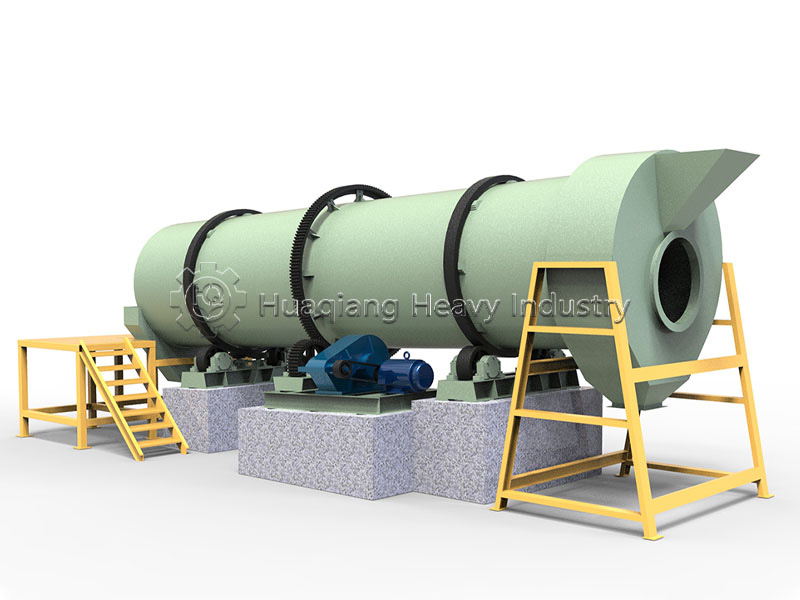
Answer: No, livestock and poultry manure is not the only raw material used in organic fertilizer production lines. It's just one of the most commonly used raw materials, not the only one. Any organic waste that meets agricultural standards, is non-toxic, harmless, and can be composted and fermented can be used as a raw material and is compatible with conventional organic fertilizer production line equipment.
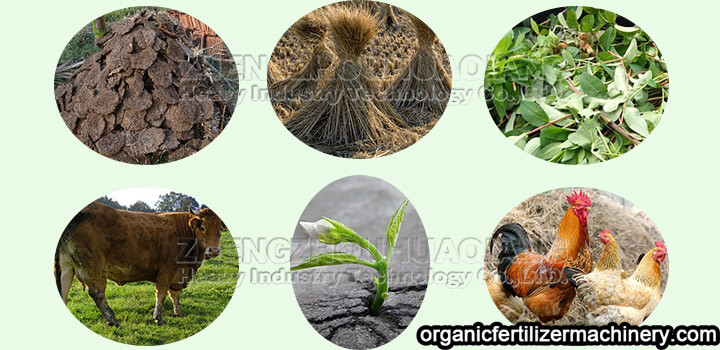
Agricultural and forestry waste is the most widely used alternative raw material, including corn stalks, rice husks, sawdust, peanut shells, mushroom residue, rapeseed cake, and soybean cake. These raw materials have a high carbon content, which effectively adjusts the carbon-nitrogen ratio and improves the problems of high moisture content, easy compaction, and strong fermentation odor associated with pure livestock and poultry manure, allowing for more complete fermentation and better looseness in the finished organic fertilizer.
Various industrial organic by-products are also high-quality raw materials, such as distiller's grains, vinegar residue, fruit pomace, medicinal herb residue, and potato residue. These have high organic matter content and are rich in trace elements, producing organic fertilizer with comprehensive nutrients, suitable for planting fruits, vegetables, and other cash crops. In addition to these, biogas residue, peat, weathered coal, and decomposed straw waste can also be used alone or in combination to produce organic fertilizer.
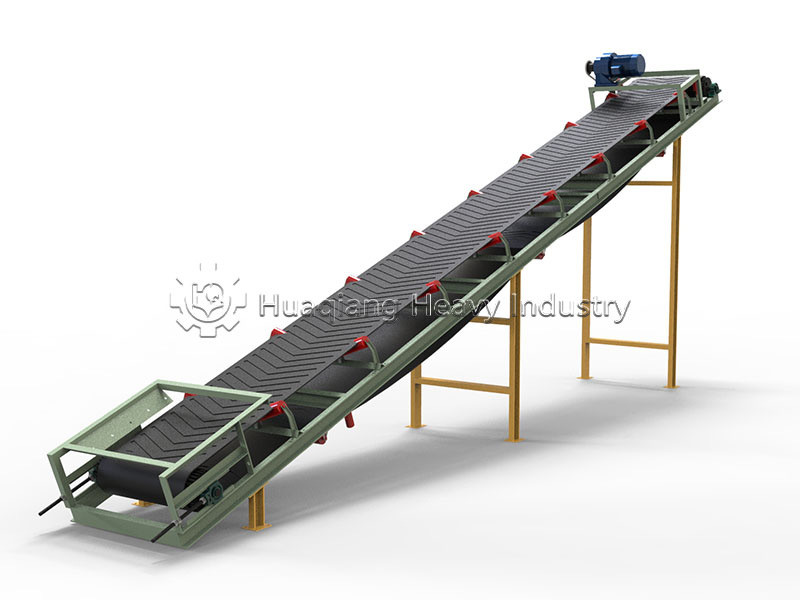
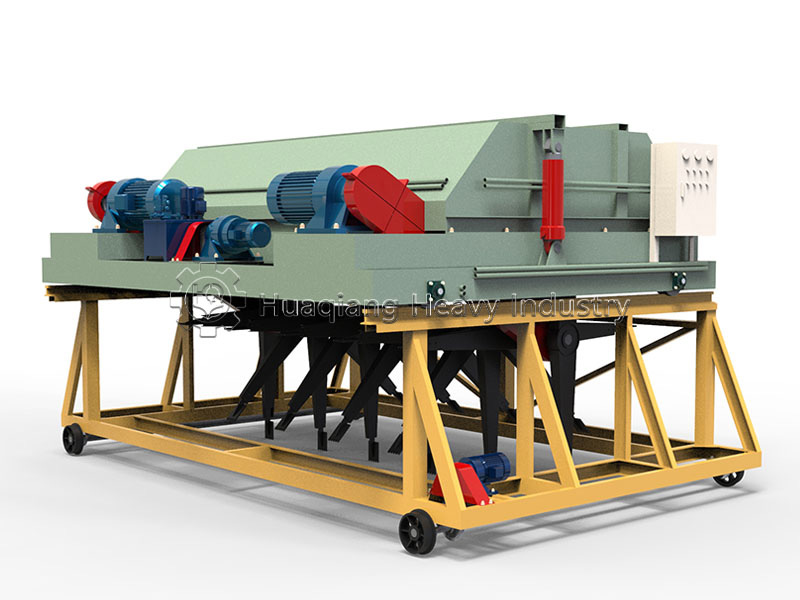
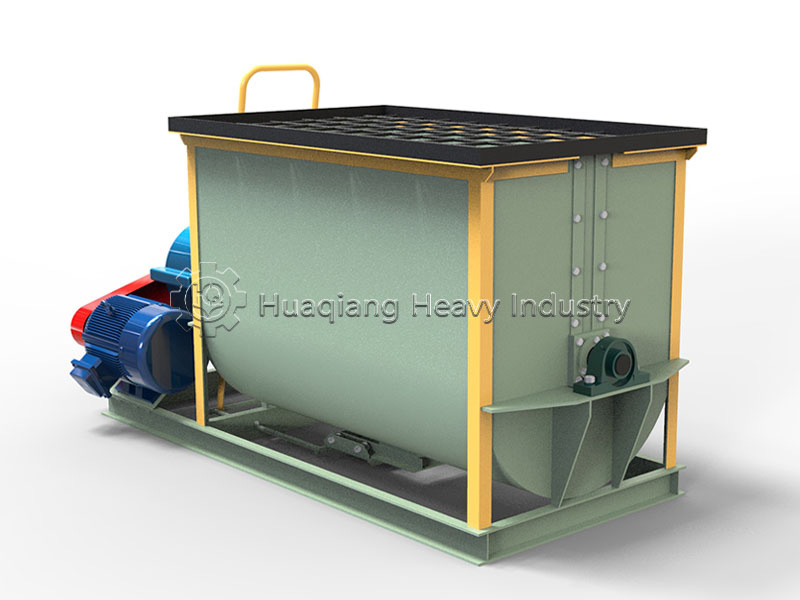
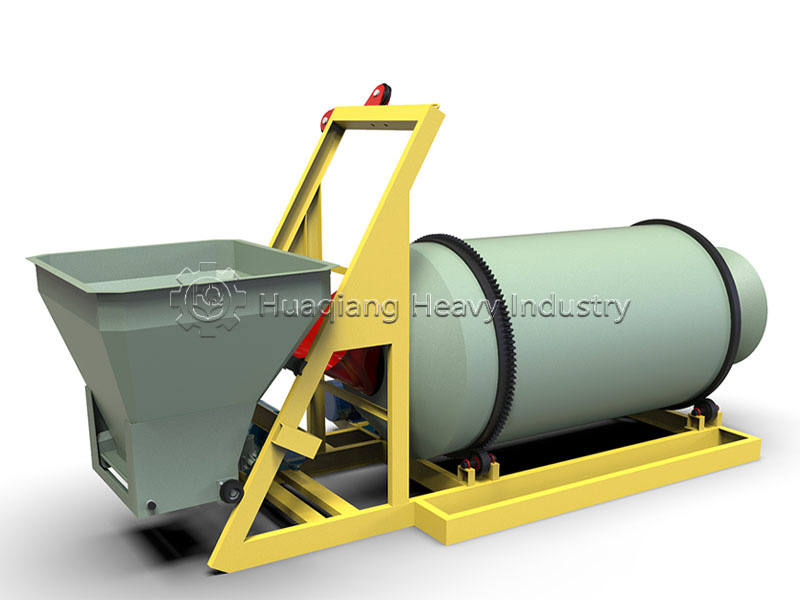
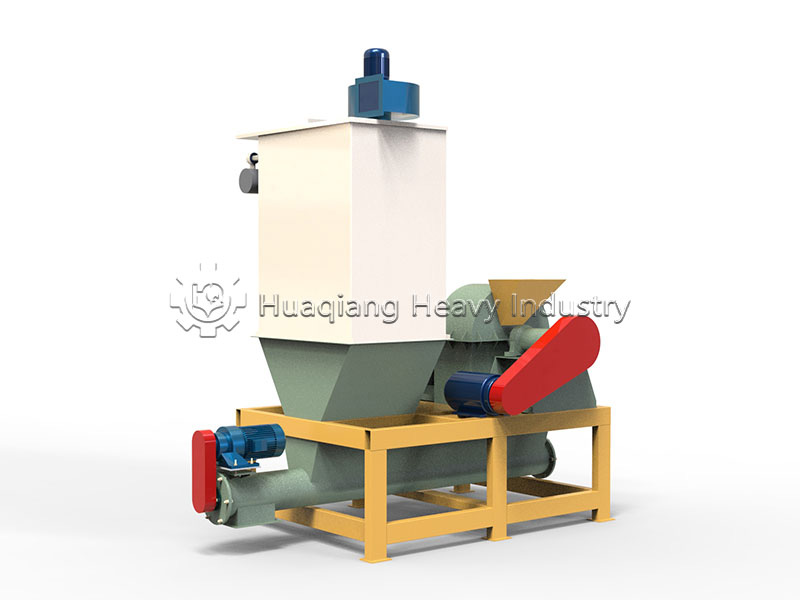
In actual production, using only livestock and poultry manure has drawbacks such as limited nutrient content and poor fermentation. Most manufacturers use a combination of multiple raw materials for production. All compliant organic raw materials are compatible with organic fertilizer production line equipment, requiring no equipment modifications. Production can proceed normally simply by selecting materials according to local conditions.




.jpg)