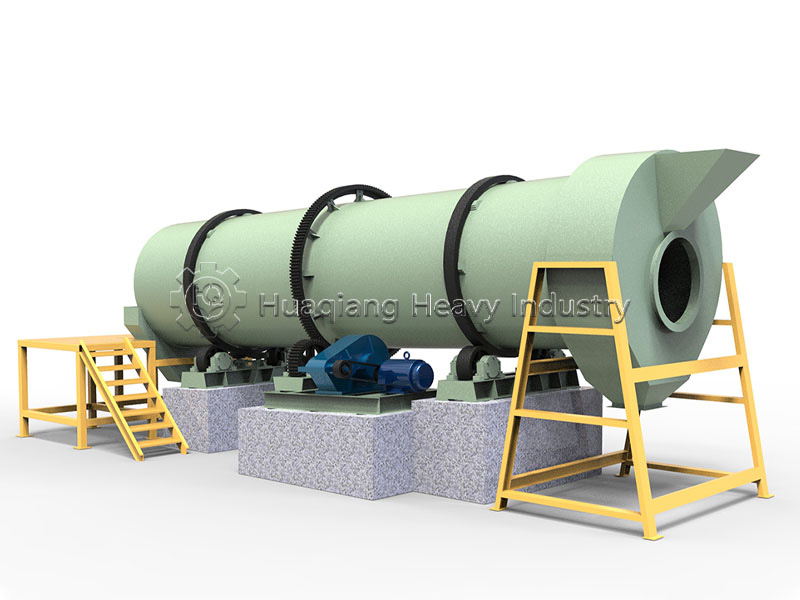
Organic fertilizer production equipment is the core carrier for ensuring fertilizer quality and production efficiency. Its proper use directly relates to the production safety, product quality, and service life of the organic fertilizer production line. In actual operation, the following key issues need to be focused on to ensure a smooth and efficient production process.
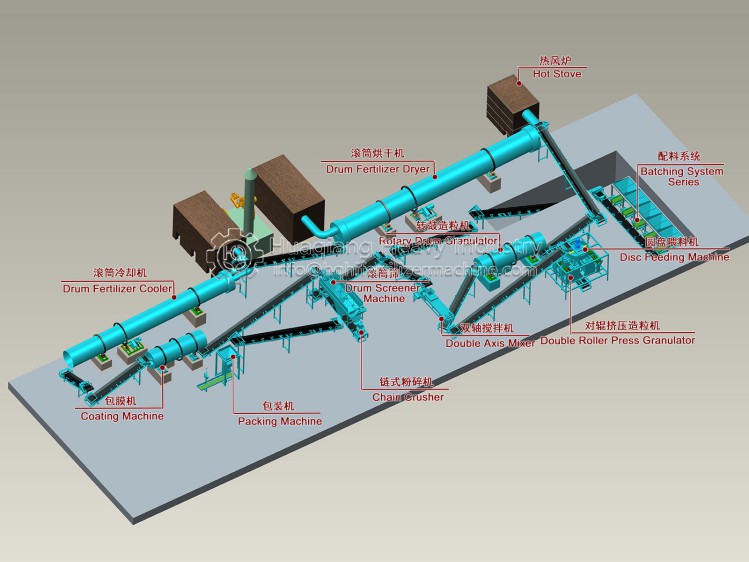
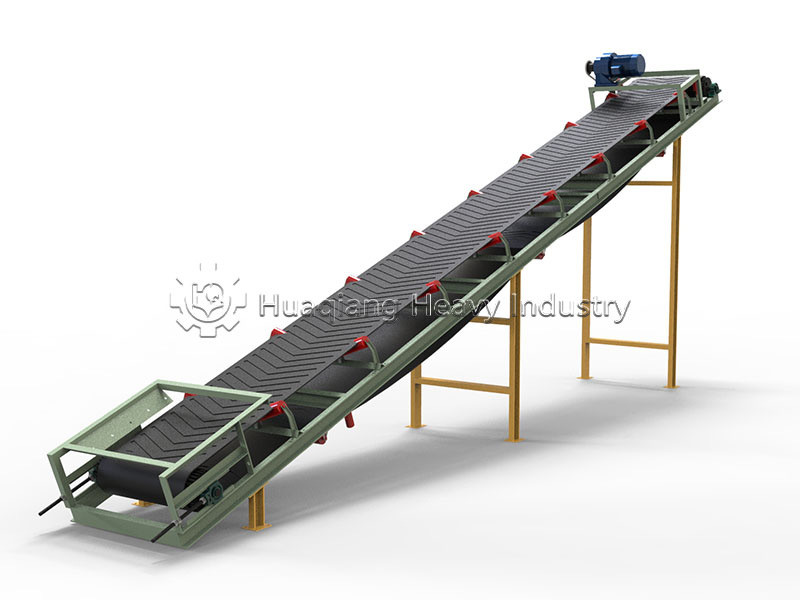
A comprehensive inspection before startup is a prerequisite for safe production. The tightness of each component of the equipment should be checked one by one, such as the hammer heads of the crusher, the chains of the conveyor, and the seals of the fermentation tank, to prevent loose parts from falling off during operation and causing malfunctions. At the same time, check whether the lubricating oil level and hydraulic system pressure meet the standards, and clean up debris from the equipment's inlet and outlet to avoid material blockage and equipment overload. In addition, confirm that the electrical connections are secure and properly grounded, and that the instruments are displaying correctly, ensuring that the equipment is in a safe standby state.
Real-time monitoring during operation is crucial for ensuring stable production. The feeding amount should be strictly controlled according to the rated parameters of the equipment to avoid problems such as motor burnout and component wear caused by overloading. Pay attention to the operating status of the equipment, listen for abnormal noises and vibrations, and observe the material processing effect. If material clumping or insufficient fermentation occurs, adjust the parameters or shut down the equipment for troubleshooting. For equipment operating at high temperatures and pressures, closely monitor the temperature and pressure gauge readings to prevent safety accidents caused by over-temperature and over-pressure. At the same time, maintain good ventilation in the production environment and promptly clean up dust and debris around the equipment to reduce the risk of fire.
Standardized maintenance after shutdown is the basis for extending the service life of the equipment. After shutdown, promptly clean up residual materials inside the equipment to prevent material corrosion of components or clumping affecting subsequent use. Regularly lubricate and maintain the equipment, replacing lubricating oil and grease according to the instructions to ensure smooth operation of components. Regularly inspect and replace vulnerable parts, such as screens and blades, to prevent reduced production efficiency or substandard product quality due to aging parts. In addition, establish an equipment usage log, detailing operating time, maintenance content, and fault conditions, to provide a basis for subsequent maintenance.
Professional training for operators is also indispensable. Ensure that operators are familiar with the working principles, operating procedures, and safety regulations of the organic fertilizer machine to avoid equipment malfunctions or safety accidents caused by improper operation. Regular training on equipment usage skills and safety awareness education should be conducted to improve operators' emergency response capabilities and ensure that correct measures are taken promptly when equipment malfunctions occur.



.jpg)