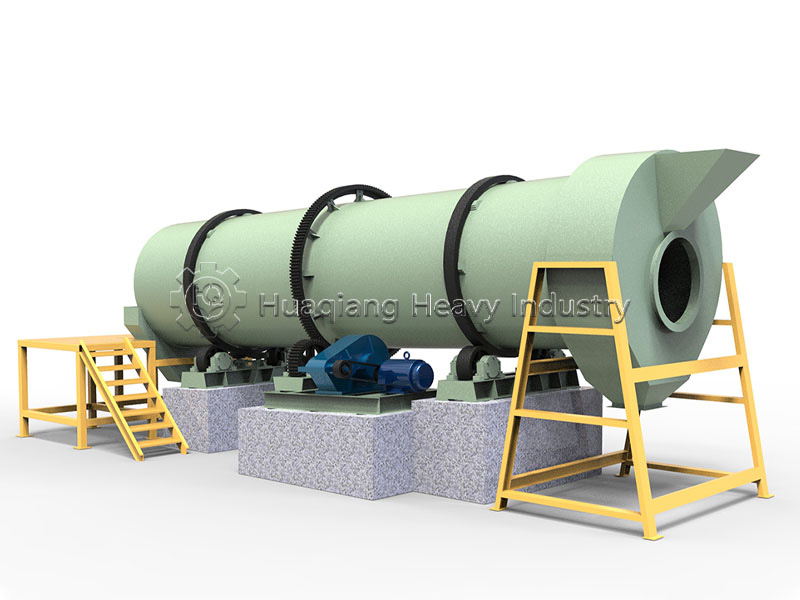
The proper startup of organic fertilizer production equipment is a crucial step in ensuring the safety of the organic fertilizer production line, improving product quality, and extending equipment lifespan. Before starting the equipment, a comprehensive inspection and confirmation must be carried out from various aspects, including equipment status, production environment, and personnel preparation, to eliminate potential safety hazards. The following are the key precautions to take before starting organic fertilizer production equipment.
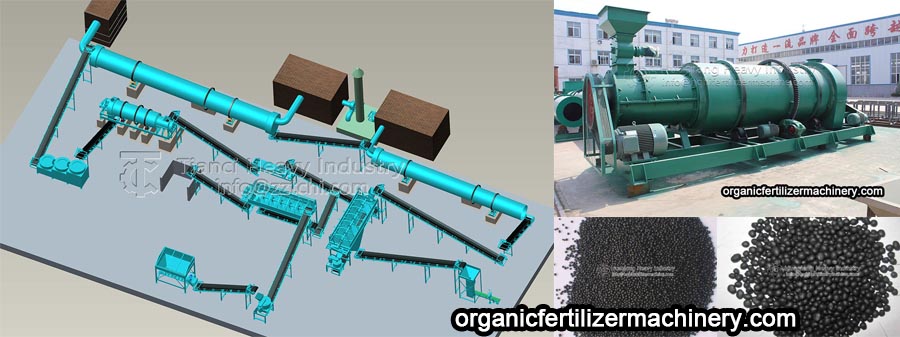
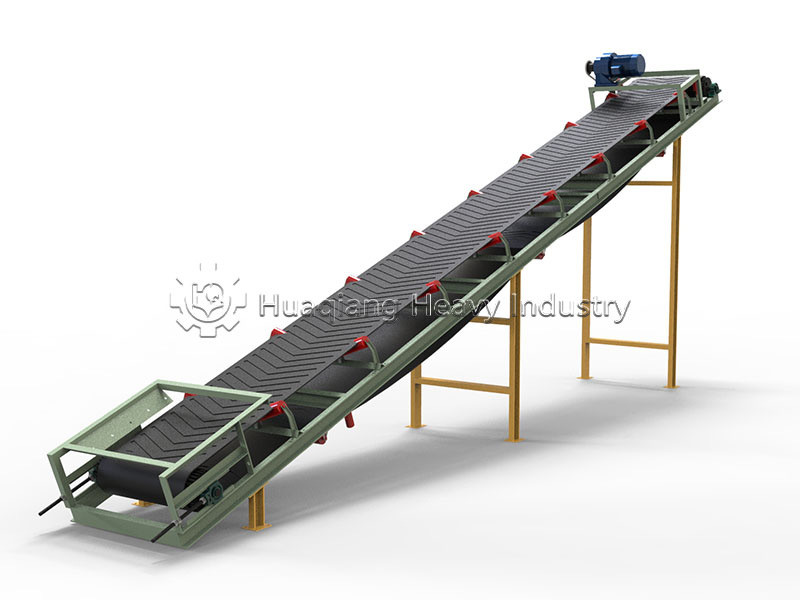
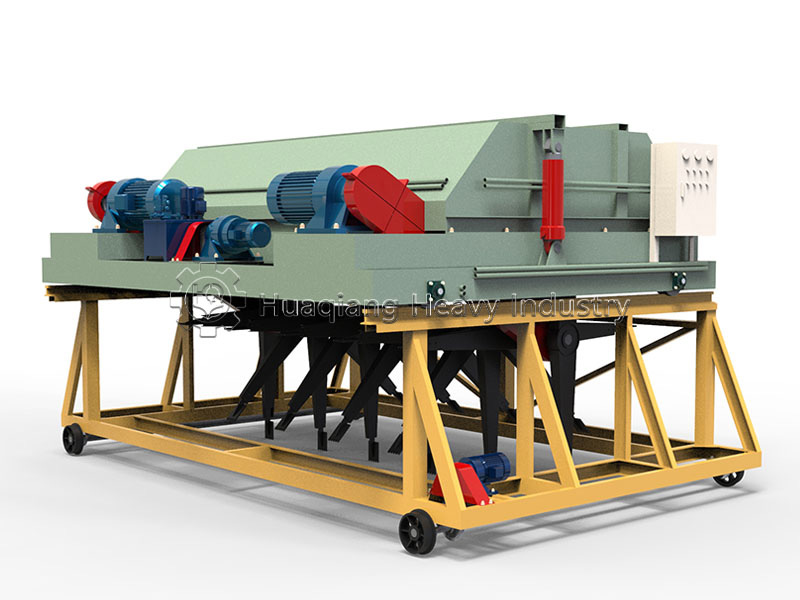
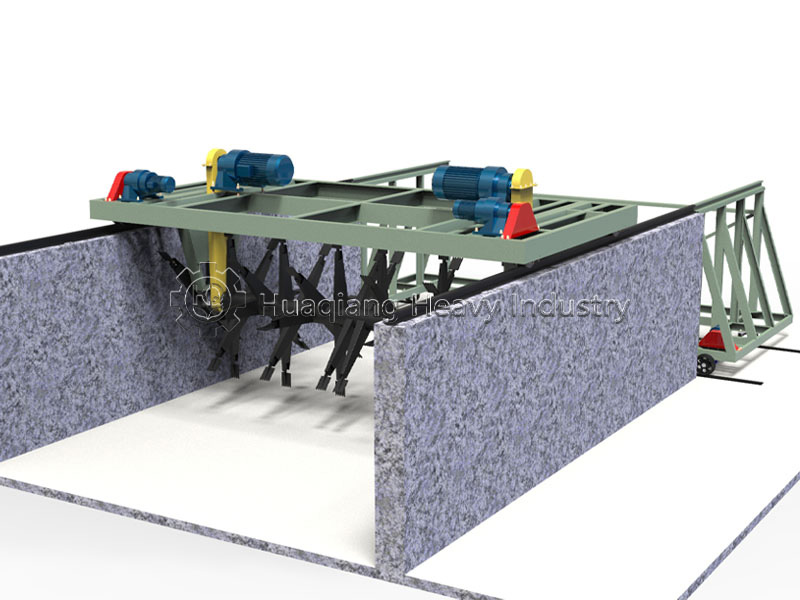
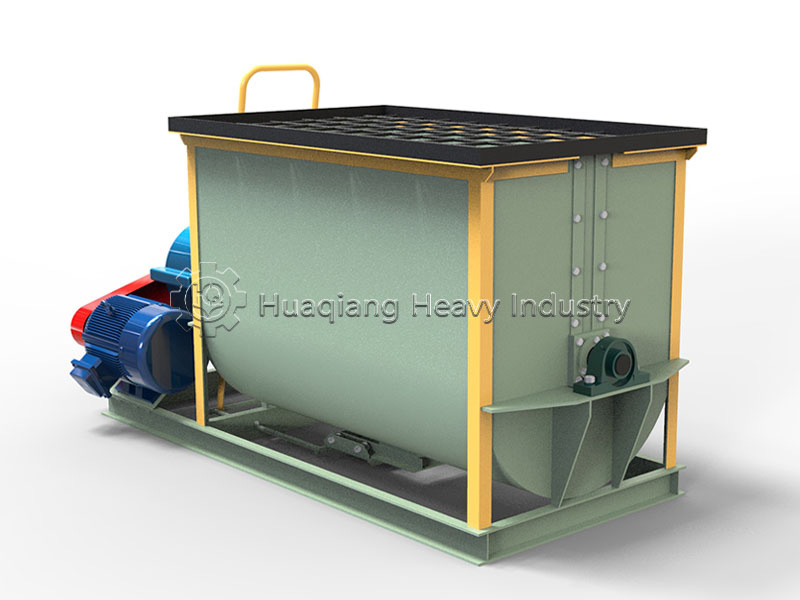
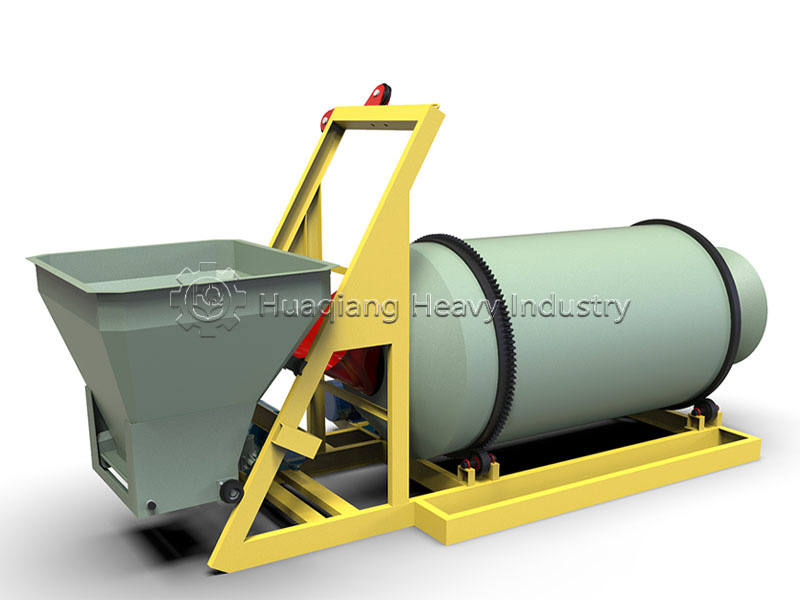
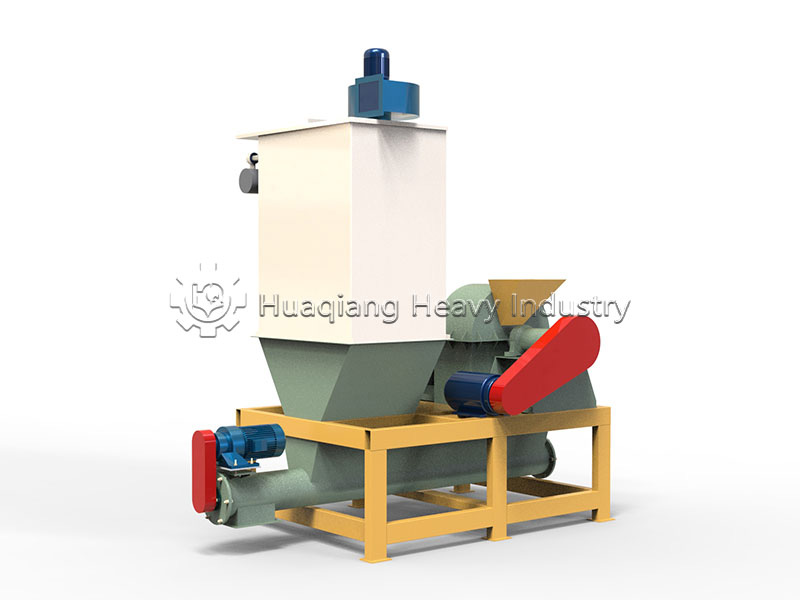
First, comprehensively check the status of the equipment's core components. The components of key equipment such as crushers, mixers, granulators, and dryers must be checked one by one to ensure they are in good condition. Special attention should be paid to the lubrication of transmission components such as bearings, gears, and conveyor belts, ensuring sufficient and non-deteriorated lubricating oil. At the same time, confirm that the bolts and nuts at each connection point are tightened to prevent equipment failure due to loose parts during operation. For sealing components, check for leakage risks to prevent material loss or contaminant infiltration. In addition, residual materials inside the equipment and at the feed and discharge ports should be cleaned to prevent caked materials from affecting equipment startup or causing blockages.
Secondly, confirm that the electrical and control systems are functioning correctly. Electrical circuits are the power guarantee for equipment operation. Before starting, check whether the power lines and control lines are damaged, aged, or short-circuited, and whether the grounding device is reliably connected to prevent electric shock or equipment short-circuit faults. At the same time, test the sensitivity of the control system, check whether the instrument panel display is accurate, and whether the buttons and switches respond normally, ensuring that the equipment's startup, stop, and speed adjustment operations can be precisely controlled. If safety protection devices are installed, their effectiveness must be verified, such as whether overload protection and emergency braking functions are working properly.
Thirdly, check the production environment and auxiliary facilities. The production site must be kept clean and unobstructed, without accumulated debris, especially around the equipment and in passage areas, to avoid affecting operation and emergency evacuation. Check whether the ventilation and dust removal facilities are functioning properly. Organic fertilizer production generates dust and odors, and a good ventilation and dust removal system can ensure the health of operators and meet production environment standards. At the same time, confirm that the pressure of auxiliary systems such as water and gas supply is stable and meets the equipment's operating requirements, and that fire-fighting equipment is fully equipped and within its validity period to deal with sudden safety incidents.
Finally, ensure personnel preparation and pre-job confirmation are completed. Operators must undergo professional training, be familiar with the operating procedures and safety precautions of organic fertilizer machine, and unlicensed or unauthorized operation is strictly prohibited. Before starting the machine, job responsibilities must be clearly defined, and operators' personal protective equipment, such as safety helmets, dust masks, and protective gloves, must be checked to ensure they are worn correctly. A pre-shift briefing should also be held to clarify production tasks, process requirements, and precautions, ensuring that operators have a clear understanding of the production process and emergency procedures.
In short, a comprehensive pre-startup inspection of organic fertilizer production equipment is a prerequisite for safe and efficient production. Only by strictly implementing all precautions and promptly identifying and eliminating potential hazards can the stable operation of the equipment be ensured, production efficiency and product quality be improved, and a strong safety foundation be built for organic fertilizer production.



.jpg)