With the advancement of policies promoting the substitution of chemical fertilizers with organic ones, the organic fertilizer industry is entering an era of large-scale development. Selecting a suitable set of organic fertilizer production equipment is crucial for enterprises to reduce costs, ensure product quality, and achieve sustainable long-term growth. Drawing upon industry best practices, the selection of organic fertilizer production line equipment requires a focused approach centered on five core principles, while balancing practical utility, economic efficiency, and regulatory compliance.
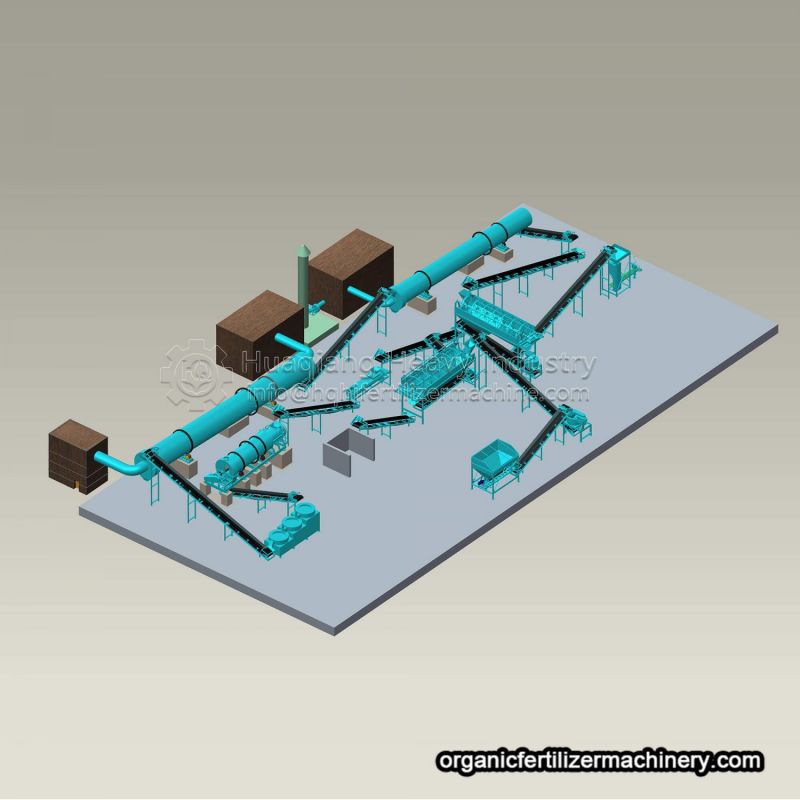
Precisely matching production capacity with raw materials is the fundamental prerequisite for equipment selection. Enterprises of varying scales require correspondingly tailored equipment: small-scale cooperatives may opt for simple, semi-automatic production lines; medium-sized processing plants are best suited for integrated equipment systems with moderate output capacities; and large-scale enterprises benefit most from fully automated, intelligent production lines. This approach prevents waste caused by either excess capacity or insufficient output.
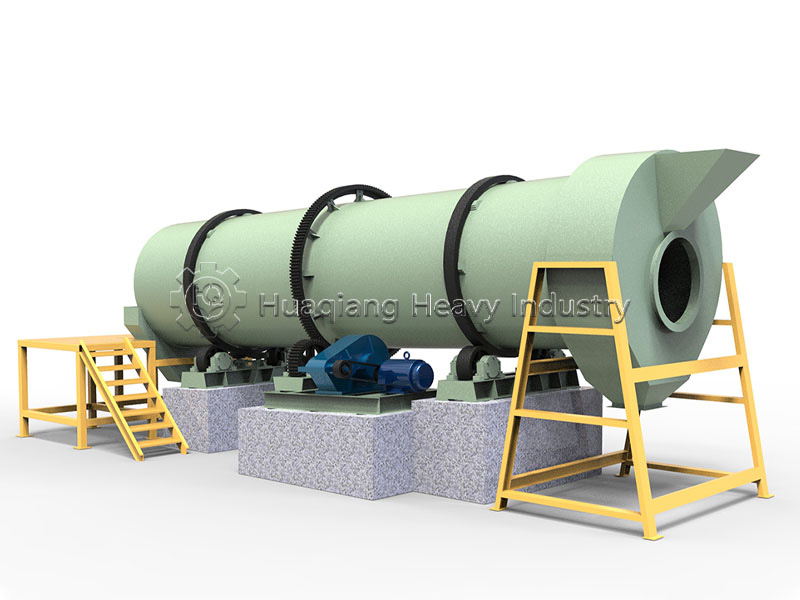
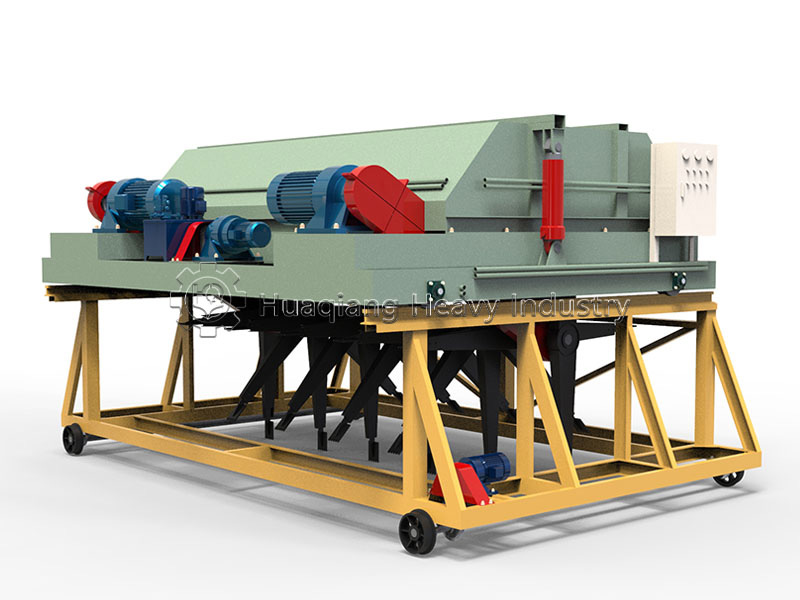
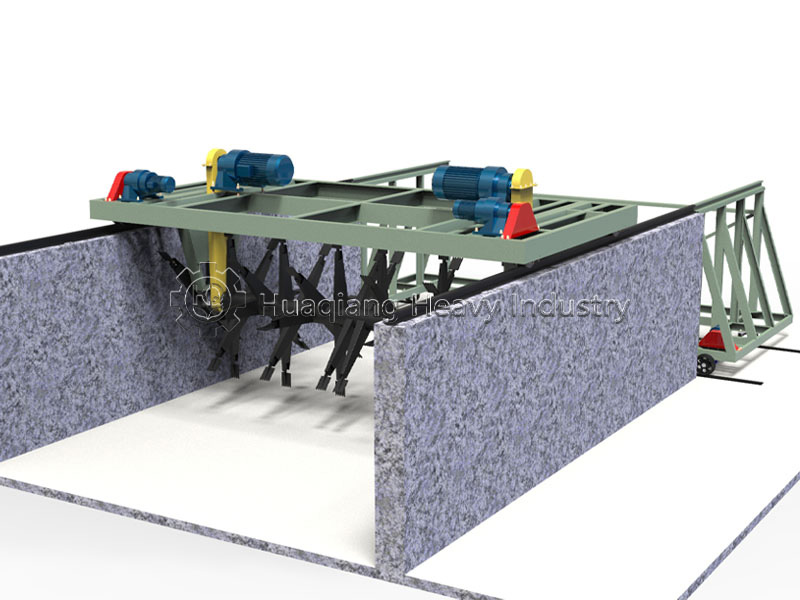
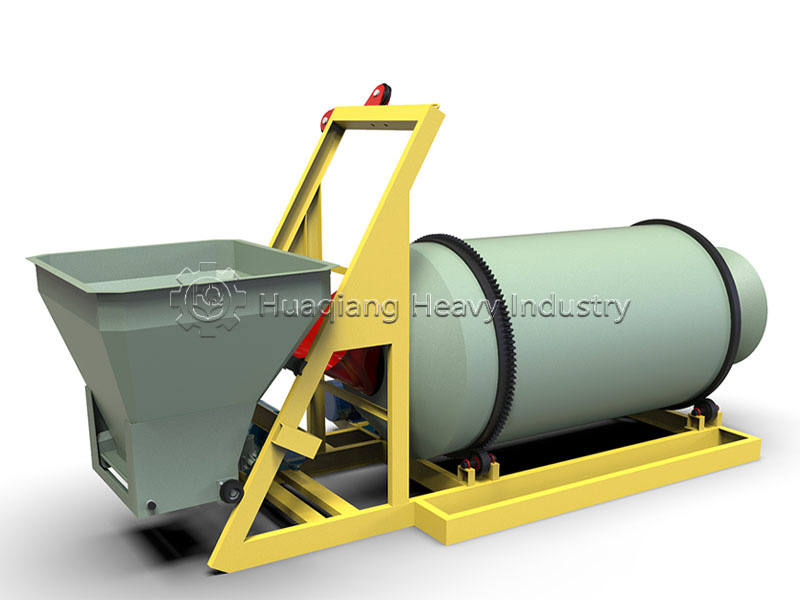
Focusing on the quality of core machinery establishes a solid foundation for production.Granulators, fermentation equipment, and dryers serve as the core components of the production line, directly determining both the quality of the finished product and overall production efficiency. When selecting a granulator, one must choose a model—such as a disc-type or drum-type unit—that is specifically adapted to the raw materials being processed, prioritizing units featuring wear-resistant components. For fermentation, equipment such as trough-type compost turners or enclosed fermentation tanks should be selected based on environmental requirements to ensure thorough and complete decomposition. Dryers must meet the standard of reducing the finished product's moisture content to ≤15%, while simultaneously balancing energy consumption with operational efficiency. Additionally, it is essential to stock a supply of spare parts for consumable components to mitigate the risk of production downtime.
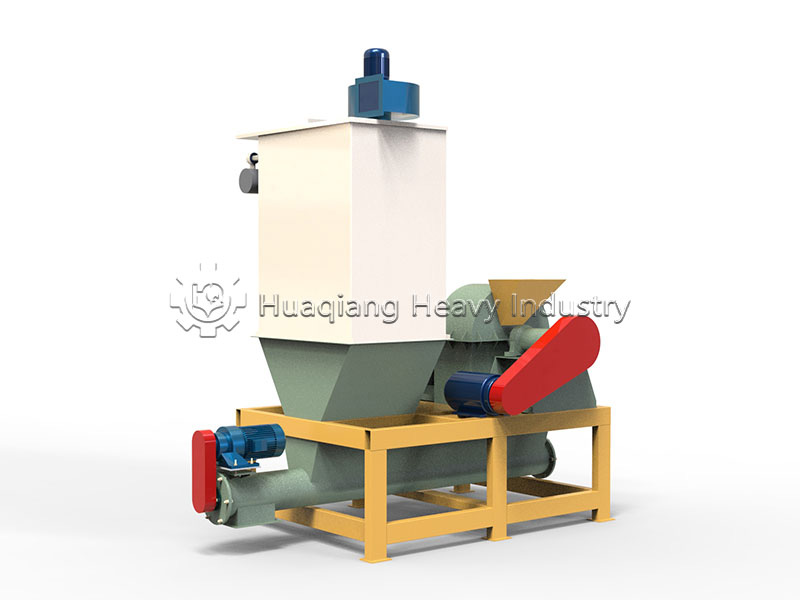
Upholding strict environmental compliance standards helps mitigate policy-related risks. Given the increasingly stringent environmental regulations currently in force, equipment selection must be accompanied by the installation of comprehensive environmental protection facilities. Crushing and drying stages require the installation of cyclone separators or baghouse dust collectors, while the fermentation stage necessitates the addition of an odor-removal system to ensure that dust and exhaust gas emissions meet regulatory standards. Neglecting the configuration of appropriate environmental control equipment can lead to project shutdowns and mandatory rectification orders, ultimately resulting in increased—and avoidable—additional costs.
Balancing controllable costs with reliable after-sales support ensures long-term profitability.There is no need to blindly pursue high-end, premium-priced models; the optimal solution lies in selecting equipment that is specifically tailored to one's own operational requirements. Auxiliary equipment can be flexibly configured to match production capacity, thereby helping to keep initial capital investment under control. Furthermore, priority should be given to reputable manufacturers that offer integrated services encompassing R&D, installation, and maintenance support. It is advisable to verify their track record through successful case studies and to confirm the availability of local after-sales service centers, thereby avoiding the production disruptions and quality issues often associated with low-cost equipment sourced from small, unregulated workshops.
In summary, the selection of equipment for an organic fertilizer production line must adhere to the principles of "capacity matching, raw material compatibility, reliable quality, environmental compliance, and controllable costs." It is essential to avoid pitfalls such as "IQ taxes"—traps involving mere conceptual hype—and instead comprehensively evaluate the requirements of every stage of the process. Only through a scientific approach to equipment selection can one maximize operational efficiency and empower enterprises to achieve sustainable development within the organic fertilizer industry.


.jpg)