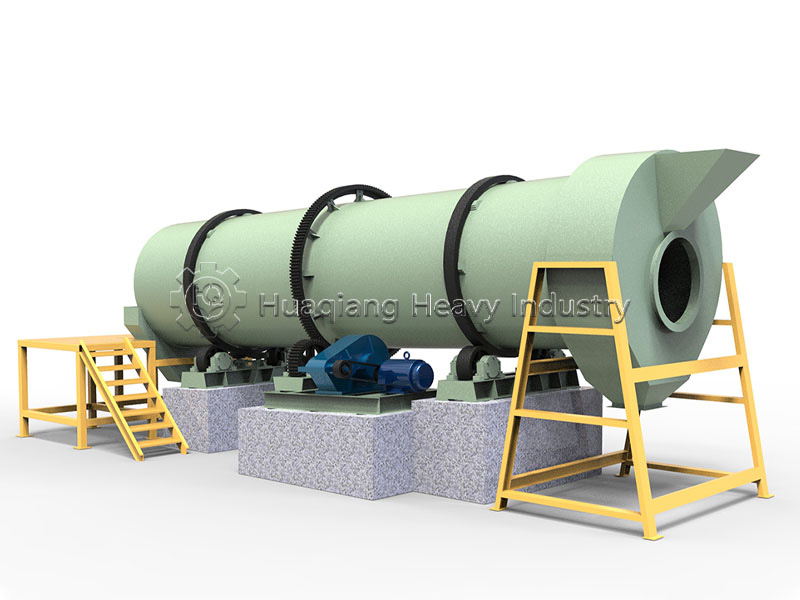
The stable operation of organic fertilizer production equipment is crucial for ensuring production efficiency, product quality, and production safety. Throughout the entire operation process, various details must be strictly controlled to avoid potential risks. Specific precautions are as follows:
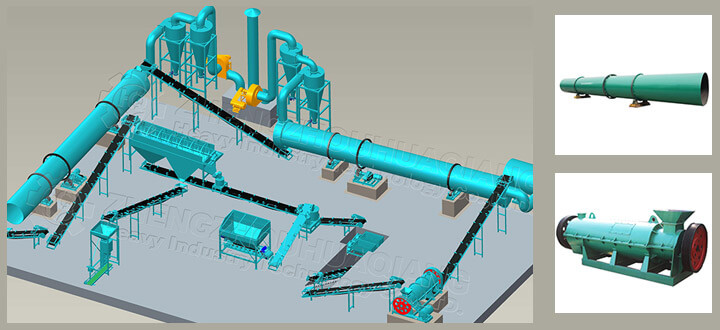
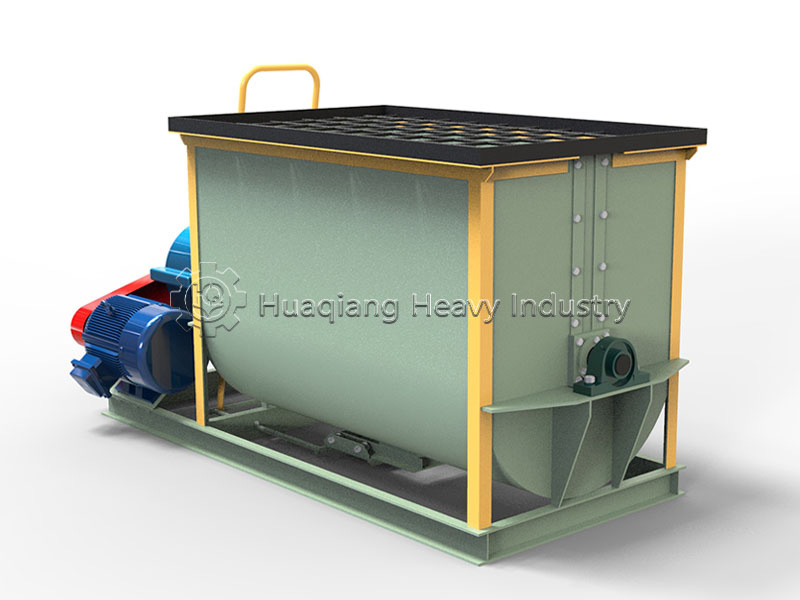
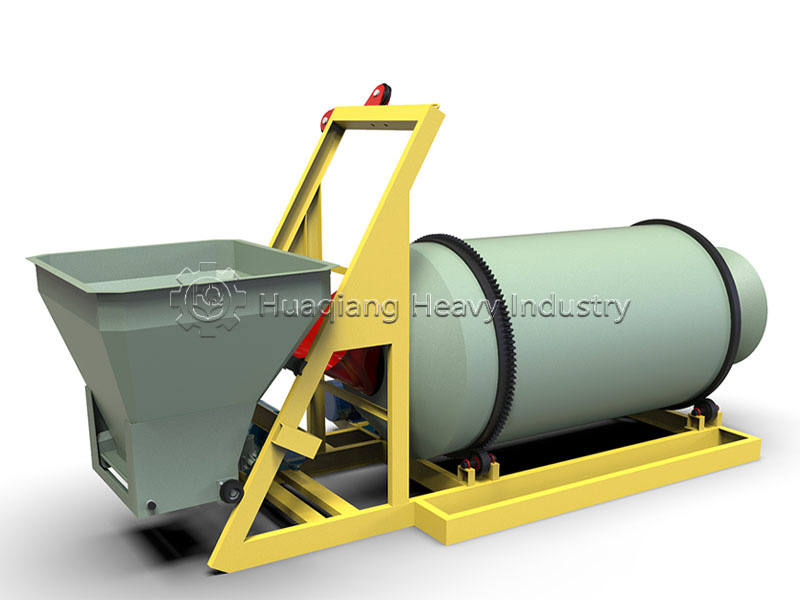
Pre-operation inspection is a fundamental guarantee. A comprehensive check of all components of the organic fertilizer machine is necessary, focusing on the tension of belts and chains in the transmission system to ensure there are no loose or broken parts; confirming the lubrication of rotating parts such as bearings and gears, and replenishing lubricating oil promptly to avoid dry friction damage; and checking that the inlet, outlet, and pipe connections are tightly sealed to prevent material leakage or foreign objects from entering. At the same time, the electrical system should be inspected to check that the wiring connections are secure and the grounding is good, ensuring that the control system is sensitive and reliable, and that all safety protection devices are functioning correctly.
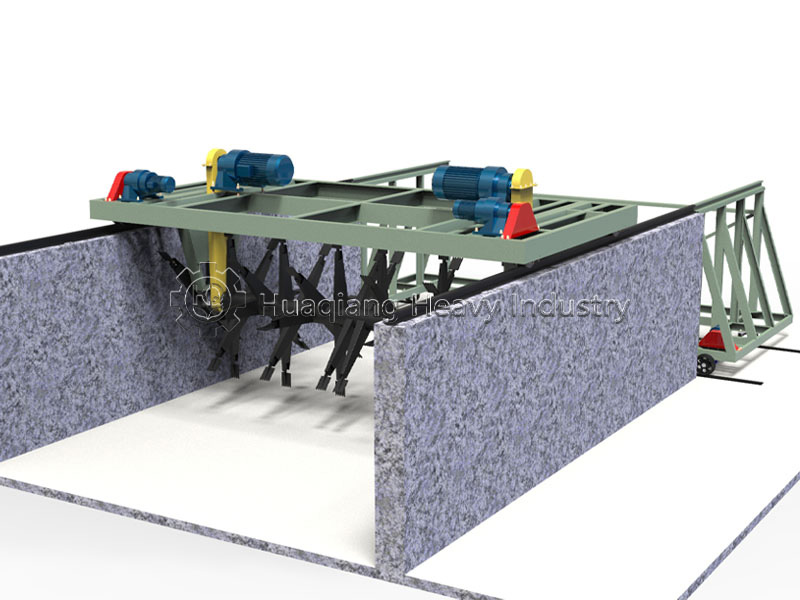
Real-time and accurate monitoring is required during operation. Operators should be on duty throughout the process, closely monitoring the equipment's operating status by listening to sounds, observing rotation speed, and checking temperature to determine if there are any abnormalities. If abnormal noises, increased vibration, or sudden temperature increases occur, the equipment must be stopped immediately for inspection, and restarted only after the fault has been resolved. Strict control of the feed rate and material moisture content is essential, adhering to the equipment's rated processing capacity to avoid overloading, which can lead to equipment blockage or damage; for key equipment such as fermentation and drying equipment, temperature, humidity, and other parameters must be precisely controlled to ensure compliance with production process requirements. In addition, the production site should be kept well-ventilated, and scattered materials should be cleaned up promptly to prevent dust accumulation from causing safety hazards.
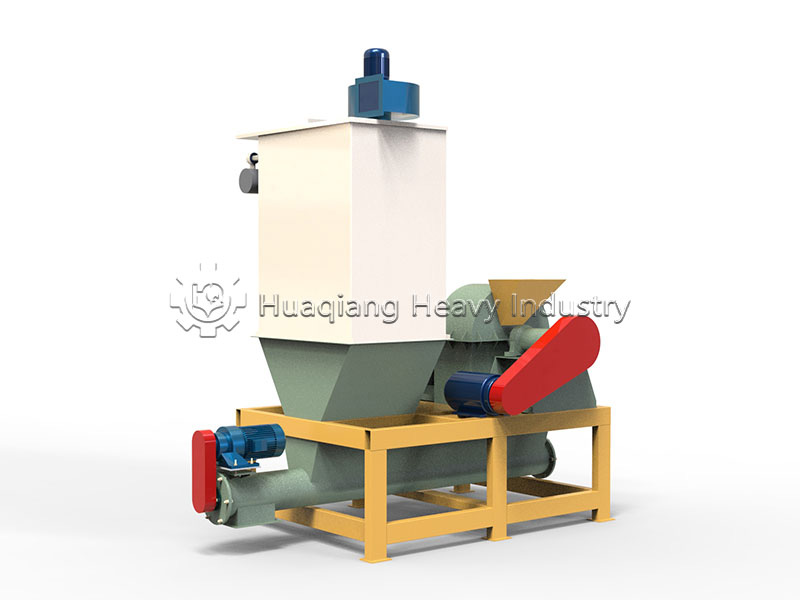
Post-operation maintenance is a long-term guarantee. After the equipment is shut down, residual materials inside should be cleaned promptly to prevent material clumping and equipment blockage; easily worn parts, such as blades and screens, should be inspected and replaced; and the tightness of all components should be checked again, and loose bolts and nuts should be tightened. At the same time, detailed records of equipment operation should be kept, including operating time, parameters, fault conditions, and corrective actions, to provide a basis for subsequent maintenance and repair.
In summary, the operation of organic fertilizer production equipment must follow the principles of "pre-operation inspection, in-operation monitoring, and post-operation maintenance," and standardized operating procedures must be followed to ensure the stable and efficient operation of the organic fertilizer production line and improve production efficiency.

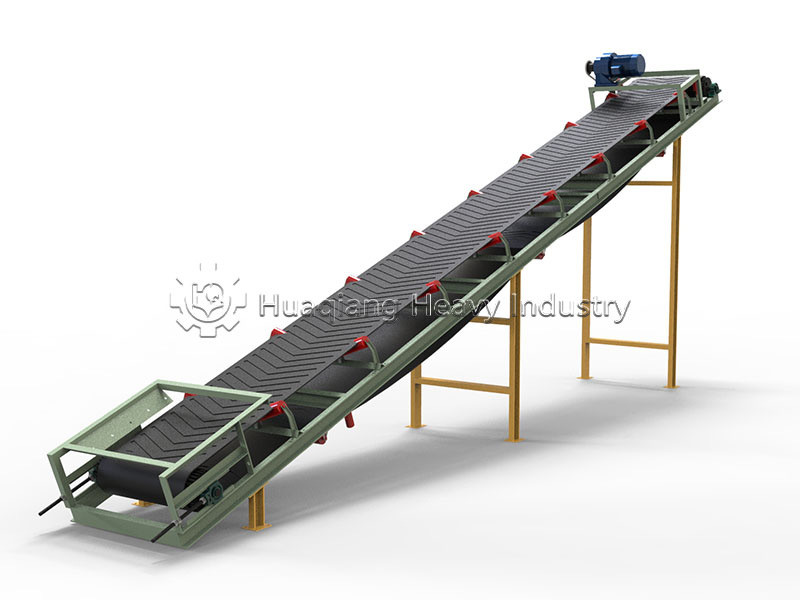

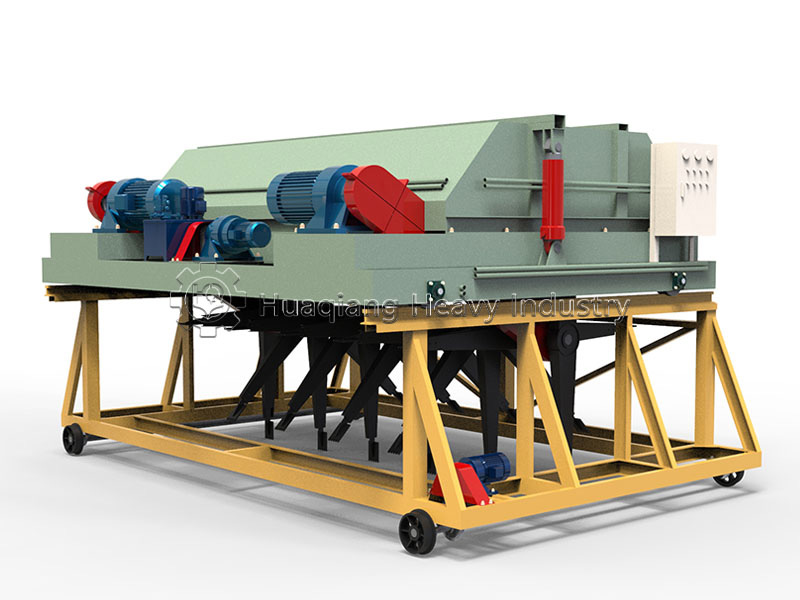

.jpg)