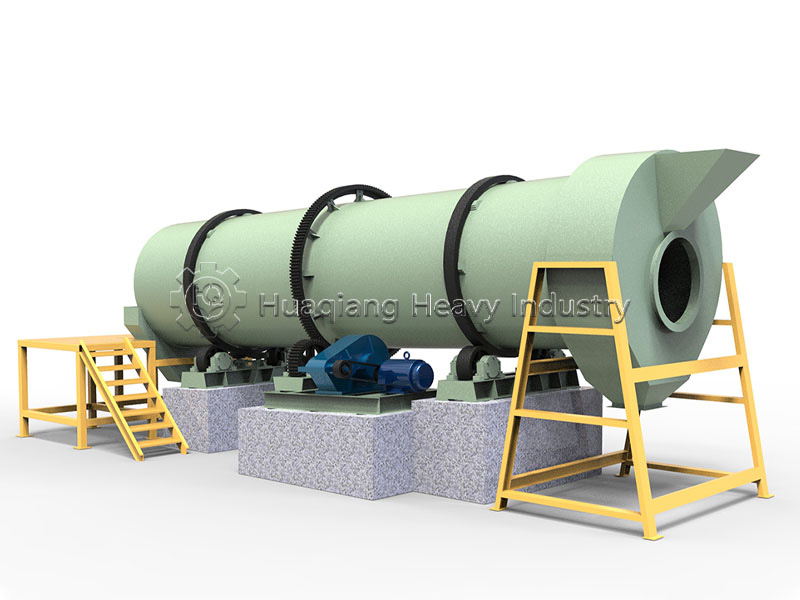
Organic fertilizer, as a crucial support for green agricultural development, has a wide and diverse range of raw material sources, covering multiple fields including agricultural and forestry waste, livestock and poultry manure, and industrial organic by-products. These raw materials, after scientific composting and processing, are transformed into nutrient-rich organic fertilizers, achieving both the resource utilization of waste and providing green nourishment for crops.
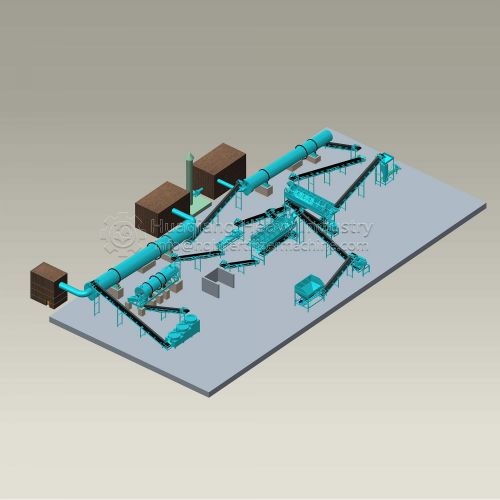
Livestock and poultry manure is one of the core raw materials for organic fertilizer production lines. This includes pig manure, cow manure, chicken manure, sheep manure, etc. These raw materials are rich in basic nutrients such as nitrogen, phosphorus, and potassium, as well as abundant organic matter and microorganisms. With the development of large-scale farming, the production of livestock and poultry manure is enormous. After solid-liquid separation and fermentation treatment, it can effectively kill bacteria and insect eggs, eliminate odors, and become a high-quality organic fertilizer raw material, solving the problem of farming pollution and turning waste into valuable resources.
Agricultural and forestry waste is also an important source of raw materials. Common examples include straw, sawdust, withered branches and leaves, and fruit husks. These raw materials have a high organic matter content and can improve soil aeration and water retention capacity. Among them, crop straws such as corn stalks and wheat stalks are produced in large quantities and widely distributed. After crushing and composting, they can supplement soil organic matter and improve soil structure; forestry waste such as sawdust and fruit husks, through fermentation and decomposition, release nutrients and become an important component of organic fertilizer.
Industrial organic by-products and urban and rural organic waste are equally indispensable. Industrial by-products such as distiller's grains, vinegar residue, soybean meal, and furfural residue are rich in protein, amino acids, and other nutrients, and can be used as high-quality organic fertilizer raw materials after processing; kitchen waste and garden waste from urban and rural life, after classified collection and harmless treatment, can also enter the organic fertilizer production line, achieving resource recycling.
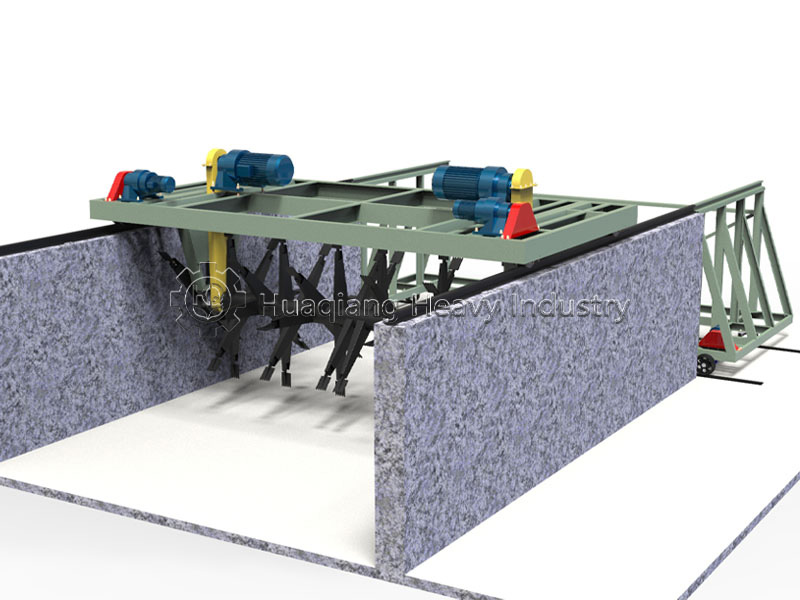
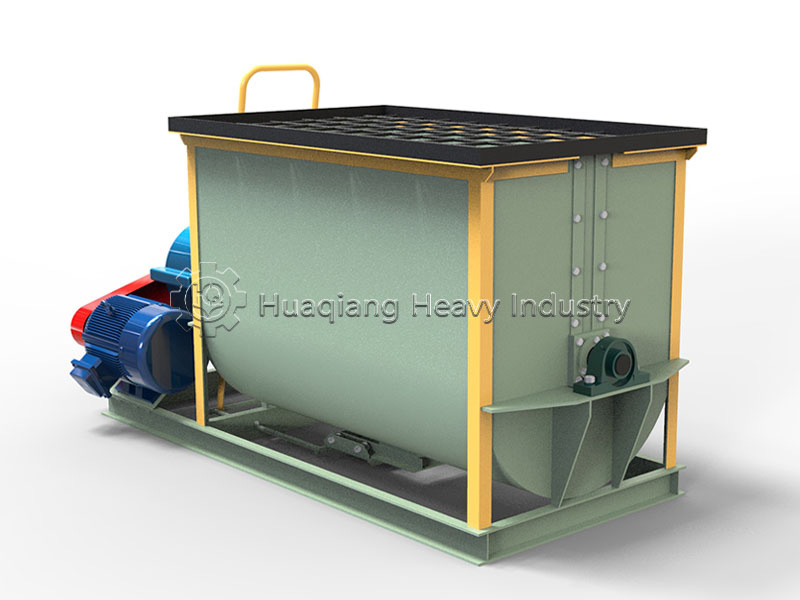
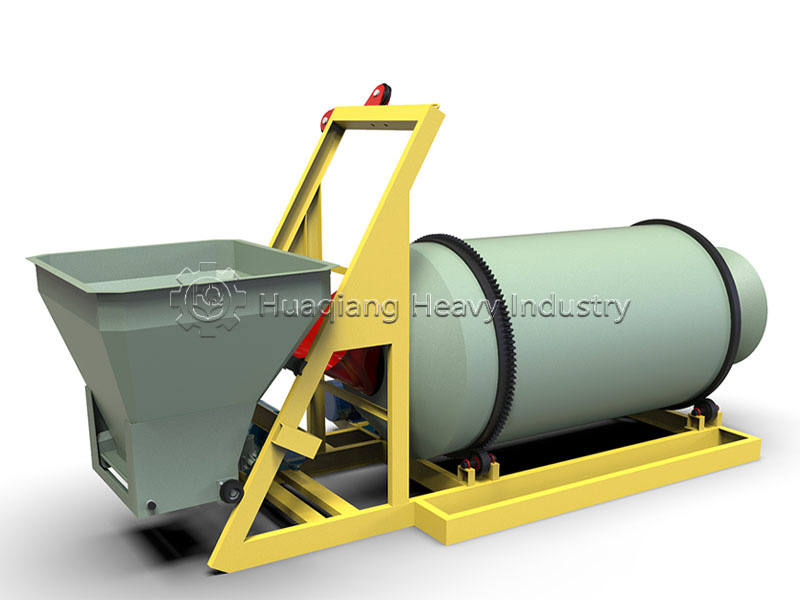
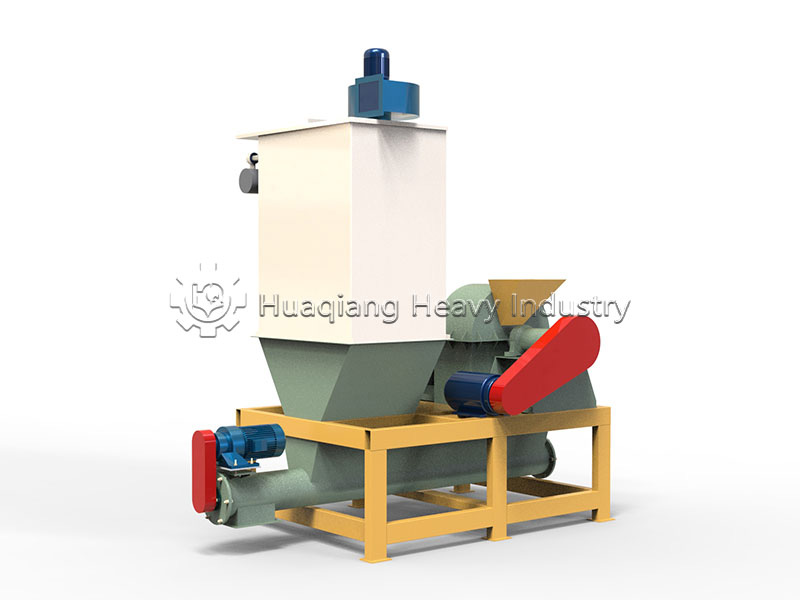
The diverse range of raw materials provides ample assurance for organic fertilizer production. After scientific processing and proportioning using organic fertilizer production equipment, the nutrients in the organic fertilizer become more balanced and the effects more comprehensive. The resource utilization of these raw materials not only promotes the development of a circular economy in agriculture but also contributes significantly to ensuring food security and environmental protection.



.jpg)