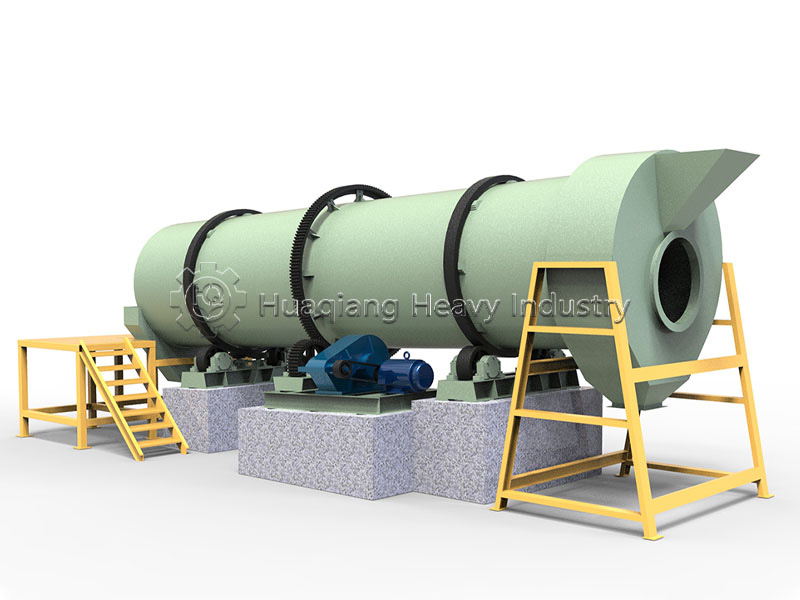
Under the guidance of green agricultural development, the environmental value of organic fertilizer production lines is becoming increasingly prominent. With "waste resource utilization, pollution reduction, and ecological sustainability" as its core, it solves the problem of agricultural waste pollution, constructs an agricultural ecological closed loop, and becomes an important support for promoting the coordinated development of ecological environmental protection and agriculture.
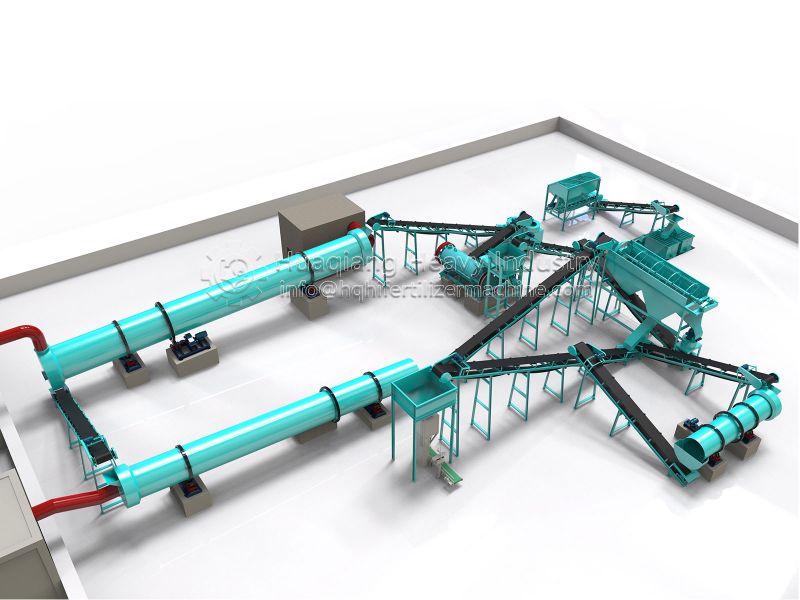
The core environmental value of organic fertilizer production lines lies in achieving the harmless treatment and resource utilization of agricultural waste. Livestock manure, straw, and food processing residues generated in agricultural production, if carelessly piled up or discarded, will pollute the soil, water bodies, and air, and breed harmful bacteria. The production line, through standardized pretreatment, fermentation, and composting processes, transforms these wastes into high-quality organic fertilizer, completely solving the pain point of waste pollution, turning "garbage" into "treasure," and achieving resource recycling.
The production line can effectively reduce pollutant emissions and protect the ecological environment. In traditional agriculture, the indiscriminate discharge of livestock manure leads to eutrophication of water bodies, and the burning of straw produces large amounts of harmful gases, polluting the air. Organic fertilizer production lines can process this type of waste on a large scale, inactivating harmful bacteria and insect eggs during fermentation and reducing odor emissions. Simultaneously, they can replace some chemical fertilizers, reducing carbon emissions and soil non-point source pollution from fertilizer production and application, thus contributing to low-carbon and environmentally friendly practices.
Furthermore, the organic fertilizer produced by the production line can restore soil ecology and strengthen the ecological foundation. Long-term application of chemical fertilizers easily leads to soil compaction and fertility decline, while the organic matter and beneficial microorganisms in organic fertilizers can loosen the soil, improve soil structure, enhance soil water and fertilizer retention capacity, repair soil degradation problems, reduce the risk of soil pollution, and promote a virtuous cycle of the soil ecosystem, laying the foundation for sustainable agricultural development.
The environmental value of organic fertilizer production lines is not only reflected in pollution control but also in building a "planting-waste-fertilizer-planting" circular system, achieving a win-win situation for ecological benefits and agricultural development, and providing a practical path for promoting the green transformation of agriculture and protecting the ecological environment.



.jpg)