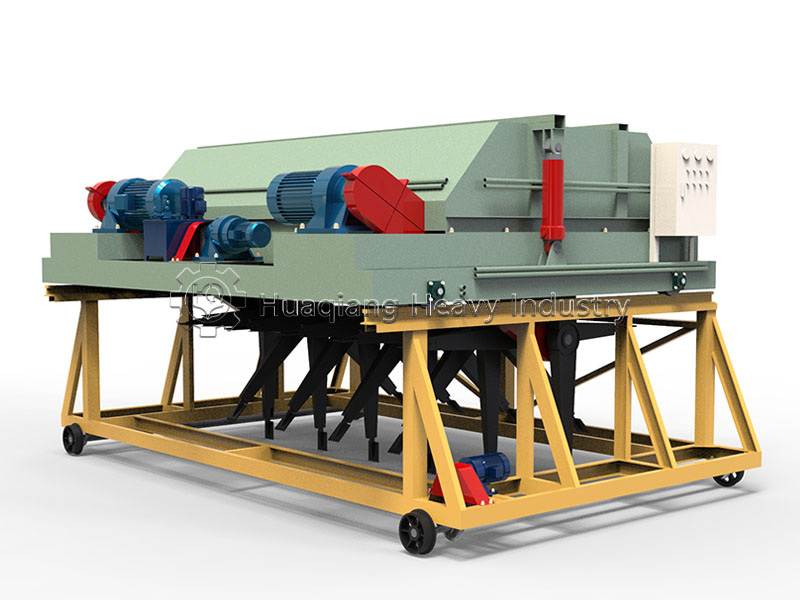
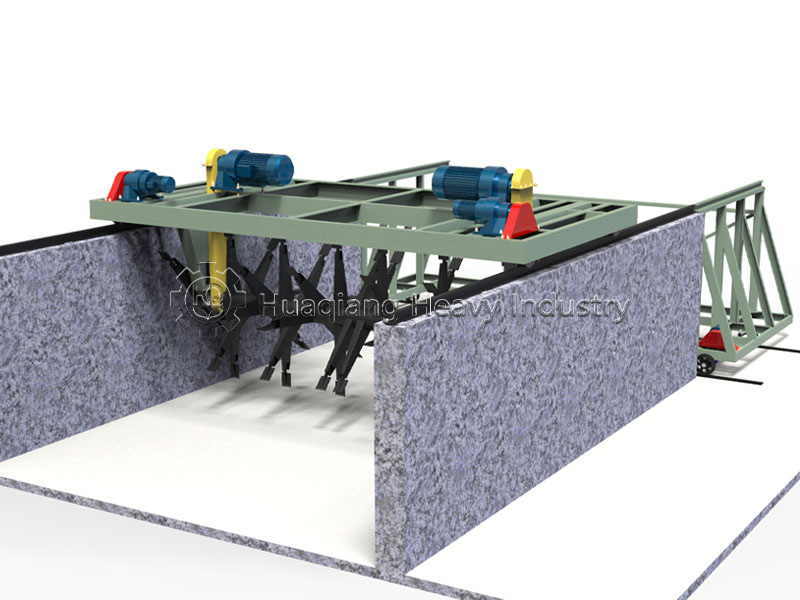
Organic fertilizer fermentation relies on aerobic microorganisms to break down organic raw materials such as livestock manure and crop straw. The compost turner serves as the core piece of equipment in the entire fermentation process, directly determining whether fermentation can be completed successfully and whether the final fertilizer product meets quality standards. While many assume that a compost turner merely "turns" the pile, it actually performs multiple essential functions—including supplying oxygen, regulating temperature, adjusting moisture levels, ensuring thorough mixing, and eliminating odors and pathogens—making it an indispensable tool for aerobic fermentation.
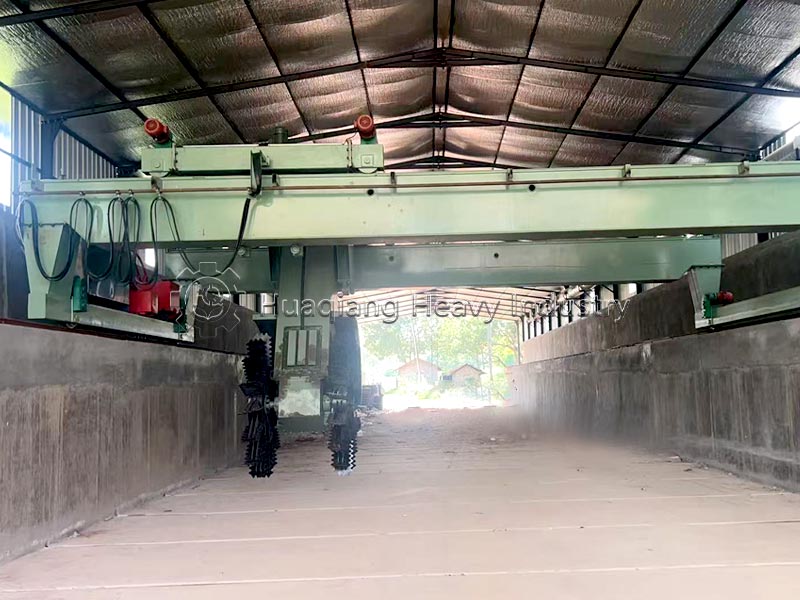
Providing oxygen is the primary function of a compost turner. As organic materials accumulate, the bottom layers become compacted, leading to rapid oxygen depletion and the creation of an anaerobic environment. Anaerobic fermentation is not only slow, but it also produces foul-smelling gases like hydrogen sulfide and results in the loss of valuable nutrients. By using a rotating drum equipped with blades, the compost turner lifts and breaks up the material, tossing it into the air. This allows fresh air to penetrate the pile, providing a continuous supply of oxygen to beneficial microorganisms. This keeps the microbes active, accelerates the decomposition and maturation of organic matter, and prevents the generation of odors at the source.
Compost turners also regulate the temperature of the pile, maintaining a stable environment for fermentation. As microorganisms break down organic matter, they release significant amounts of heat, causing the pile temperature to rise. If the temperature becomes too high, it can inhibit or even kill the microbial cultures, bringing the fermentation process to a halt. Periodic turning dissipates accumulated heat, keeping the temperature within an optimal range and facilitating a high-temperature fermentation phase. Sustained high temperatures also destroy insect eggs, weed seeds, and harmful pathogens present in the raw materials, ensuring the final product is safe for use as organic fertilizer.
Furthermore, the turning process facilitates the evaporation of excess moisture. Organic raw materials often have an initial moisture content that is too high for effective fermentation. As the material is tossed and scattered, moisture evaporates along with the heat, gradually bringing the moisture content into the ideal range. Compost turners also provide a crushing and mixing effect; they break up clumps and ensure that the primary materials, additives, and microbial inoculants are thoroughly blended. This prevents uneven fermentation rates across different parts of the pile, ensuring that the entire batch reaches a consistent level of maturity. Proper use of a compost turner can significantly shorten the fermentation cycle and enhance production efficiency. Traditional static composting often suffers from long fermentation periods and inconsistent quality; in contrast, the dynamic turning process facilitated by a compost turner allows for controlled fermentation and more thorough decomposition. Standardized turning operations ensure that the resulting organic fertilizer has a stable nutrient profile and is safer to use.
In short, a compost turner is more than just a piece of equipment for moving material—it serves as the control center for the entire fermentation system. By ensuring a steady oxygen supply, regulating temperature and moisture, thoroughly mixing materials, and facilitating harmless treatment, it supports the orderly progression of aerobic fermentation, making it an indispensable component of any organic fertilizer production line.